
Coffee Machine Care
Seattle Best Coffee K Cups: Your Guide to a Bolder Brew
Apr
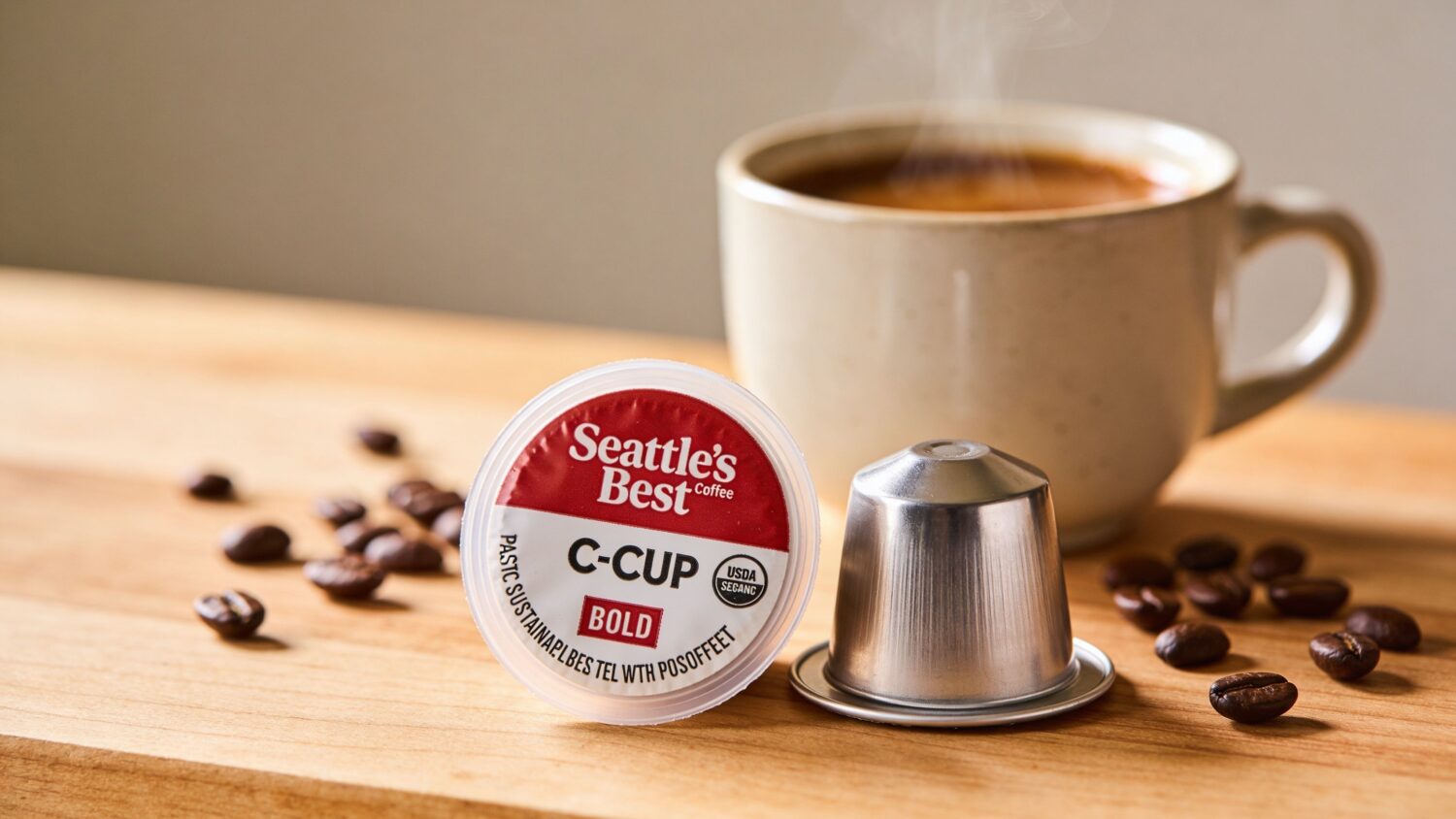
You press brew, hear the familiar Keurig whir, and expect a full mug of smooth Seattle's Best. Then the cup stops short or tastes thinner than it should. That's the complaint I hear most often about seattle best coffee k cups. The coffee itself has appeal. The pod format often gets in the way.
Seattle's Best has real strengths. It has been around since 1970, uses a smooth-roasting approach, and builds its K-Cup lineup around 100% Arabica beans from Latin America. But if your daily cup feels weak, the fix usually isn't changing brands. It's understanding what these pods do well, where they fall short, and when a reusable setup makes more sense.
The Problem with That Morning Cup of Seattle's Best
The frustrating part is that Seattle's Best usually smells promising. You brew a dark roast like Post Alley Blend, expect depth and body, and end up with a cup that feels watered down. That gap between expectation and result is why so many Keurig owners keep tinkering with settings instead of enjoying coffee.
The issue shows up often enough that it can't be dismissed as user error. Reviews collected on this Staples product review page repeatedly point to a familiar problem: some users report that Seattle's Best K-Cups yield only about 4 oz of coffee, and the same review pattern suggests roughly 20% to 30% of online comments mention terms like weak or small pour. If you're brewing a normal mug, that leads to a cup that tastes stretched out rather than satisfying.
Why the pod can be the bottleneck
Seattle's Best built its reputation on smoothness, not bitterness. That's a good thing in bagged coffee and in well-extracted single-serve brewing. But a disposable pod has fixed limits. You can't add more grounds. You can't adjust the grind. You can't fine-tune the fill level inside the pod.
That means your brewer does most of the decision-making for you.
Practical rule: If a pod already tastes light at a small cup setting, a larger button won't improve it. It usually just adds more water to the same amount of coffee.
For many people, the problem isn't flavor profile. It's extraction control. A smoky dark roast can still taste flat when the machine pushes too much water through a pod that doesn't have enough resistance.
What works and what doesn't
A few habits can make disposable Seattle's Best pods more drinkable:
- Use the smallest cup size: This gives the coffee less water to work against.
- Choose darker blends when you want intensity: They tend to hold up better in single-serve machines.
- Brew for a mug, not a travel tumbler: These pods often perform better when you stop short of a big serving.
What doesn't work is assuming every pod can deliver a café-style full mug by default. That's where the disappointment starts. If you love Seattle's Best flavor but hate the weak-cup gamble, the answer isn't to abandon the coffee. It's to stop letting a sealed disposable pod dictate the brew.
A Guide to Seattle's Best Coffee Roasts and Flavors
Seattle's Best keeps the lineup straightforward, which is one reason it remains easy to buy at major grocery chains. The brand started in 1970 and uses a signature smooth-roasting method on 100% Arabica beans from Latin America, a profile that helps explain why its coffees tend to drink softer and less harsh than many bargain pods. Its Portside Medium Roast K-Cups at Kroger hold a 4.46 out of 5 average from 241 reviews, with 70% of reviewers giving 5 stars.
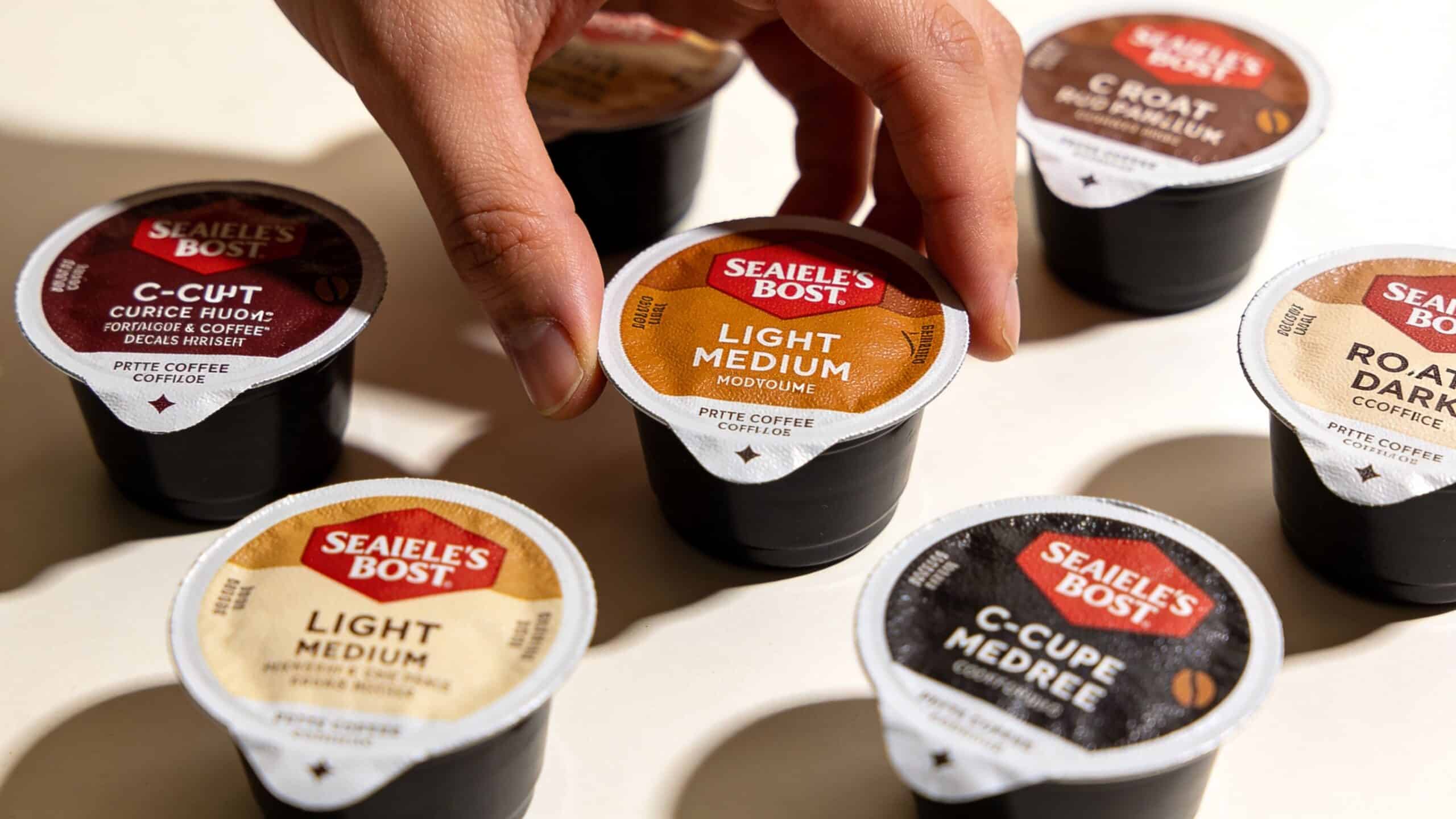
If you're still deciding which direction to go, this broader guide to the best K-Cup coffee pods is useful for comparing roast styles and everyday drinkability across brands.
Post Alley Blend for a darker cup
Post Alley Blend is the one to reach for if you want the boldest expression in the Seattle's Best K-Cup range. It leans dark, smoky, and more assertive than the medium roasts. In practice, it's the better pick for people who want something closer to an espresso-inspired mug from a Keurig.
This is also the roast that benefits most from a conservative brew size. A dark pod can lose structure quickly when you run too much water through it.
Portside for balance
Portside Medium Roast is the safer all-purpose option. It has enough roast character to feel like coffee, but it doesn't push bitterness. That's likely part of why it reviews well with everyday drinkers. It suits the person who wants a reliable morning cup instead of a sharp, heavy roast.
A medium roast also gives you a clearer read on whether your machine is extracting well. If it tastes hollow, the machine or pod format is usually the issue, not the roast style itself.
Seattle's Best works best when you pick the roast for the cup you actually drink, not the cup you wish your machine could produce.
How to choose without wasting a box
Use this quick filter when you're shopping:
| Roast choice | Best for | Likely result |
|---|---|---|
| Post Alley Blend Dark Roast | Stronger morning cup | Smokier, heavier flavor |
| Portside Medium Roast | Daily drinkers | Balanced, smoother cup |
| Breakfast Blend | Lighter morning preference | Easier-drinking profile |
The simplest mistake is buying a medium roast when you want punch, then blaming the brand. Start with darker roasts if strength matters most. Start with Portside if you want an easy, broadly appealing cup.
Ensuring Compatibility and Getting the Best Possible Brew
Compatibility usually isn't the problem with Seattle's Best pods. The bigger issue is getting a machine-compatible pod to taste good. Seattle's Best K-Cups are sold for broad use across Keurig systems, including Keurig 2.0 and K-Slim models, and the Breakfast Blend listing on goodNes shows a 4.6 out of 5 rating from 57 reviews, which points to steady performance across common home brewers.
Brewers that generally pair well
These pods are commonly used in:
- Keurig K-Classic: Simple controls, easy to keep on a smaller cup setting.
- Keurig K-Supreme: Stronger extraction style than older machines, though pod limits still apply.
- Keurig K-Slim: Good fit if counter space matters.
- Ninja DualBrew pod-compatible setups: Useful for households that alternate between pods and grounds.
If your machine accepts standard K-Cups, Seattle's Best will usually fit the brewer. The bigger question is whether your chosen cup size and machine condition let the coffee show up properly.
Small settings usually brew better
If a Seattle's Best pod tastes weak, start by reducing water, not by changing to a bigger mug. A small brew size concentrates the cup and gives the coffee a fair shot. Running a water-only cycle before brewing can also help stabilize temperature and rinse old residue from the needles and chamber.
Some drinkers try to chase a longer café-style cup from a pod machine. If you're curious how that idea differs from standard drip-style single-serve coffee, this guide on what a lungo is gives helpful context. It won't turn a K-Cup into an espresso drink, but it does clarify why "more volume" and "better strength" aren't the same thing.
If your pod tastes acceptable on the smallest setting and weak on the largest, the machine isn't malfunctioning. The pod has reached its limit.
One common objection
A lot of buyers worry about fit, especially with newer brewers. In most cases, Seattle's Best pods fit as expected. If brewing fails, check the basics first: make sure the pod sits flat, the lid closes fully, and the top needle isn't clogged with old grounds. Compatibility is usually straightforward. Consistency is the harder part.
The Hidden Downsides of Your Daily K-Cup Habit
Single-use coffee pods solve one problem fast. They remove measuring, grinding, and cleanup from the morning routine. They also lock you into a system that creates more waste and gives you less control over the final cup.
That trade-off gets easy to ignore because the box looks inexpensive. A 10-count Post Alley Blend box retails around $7.99, and a 10-count Portside Medium Roast pack has been listed at $5.99 discounted, so the spend can feel manageable in the moment. But the format keeps you buying pre-measured servings instead of coffee by the bag.
Waste adds up faster than most people think
The environmental side is harder to shrug off. The Walmart listing background cited here notes estimates of up to 40 billion used pods sent to landfills annually, and it also cites 25% growth in reusable K-Cup sales among eco-conscious home brewers. That combination says a lot. People still want convenience, but more of them are questioning the waste built into the single-use routine.
If you're sorting through the recycling confusion, this breakdown on the truth about K-Cup recycling is worth reading because it explains why "technically recyclable" and "actually recycled in normal household conditions" often aren't the same thing.
Convenience has blind spots
Seattle's Best pods themselves have attractive attributes. Some are labeled kosher and vegan, and the products are easy to find in mainstream retail. None of that changes the fact that you're throwing away a pod every time you brew.
Here are the hidden costs that matter most:
- Less brew control: You can't change the dose inside a sealed pod.
- More packaging per cup: Every serving arrives wrapped in its own plastic format.
- More frustration when flavor misses: If the cup comes out light, there's nothing to adjust inside the pod.
A disposable pod is convenient only when the result is good enough. Once you start compensating with extra pods, larger orders, or repeated brew attempts, the convenience starts to collapse.
The more often you drink coffee at home, the more obvious that tension becomes.
PureHQ Reusable Pods The Ultimate Upgrade for Coffee Lovers
A reusable pod changes the whole equation because it puts the brew back in your hands. If you like the smooth style of Seattle's Best but want a stronger, fuller cup, a refillable pod solves the exact problem that disposable K-Cups can't solve. You choose the coffee, the amount, and the brew style.
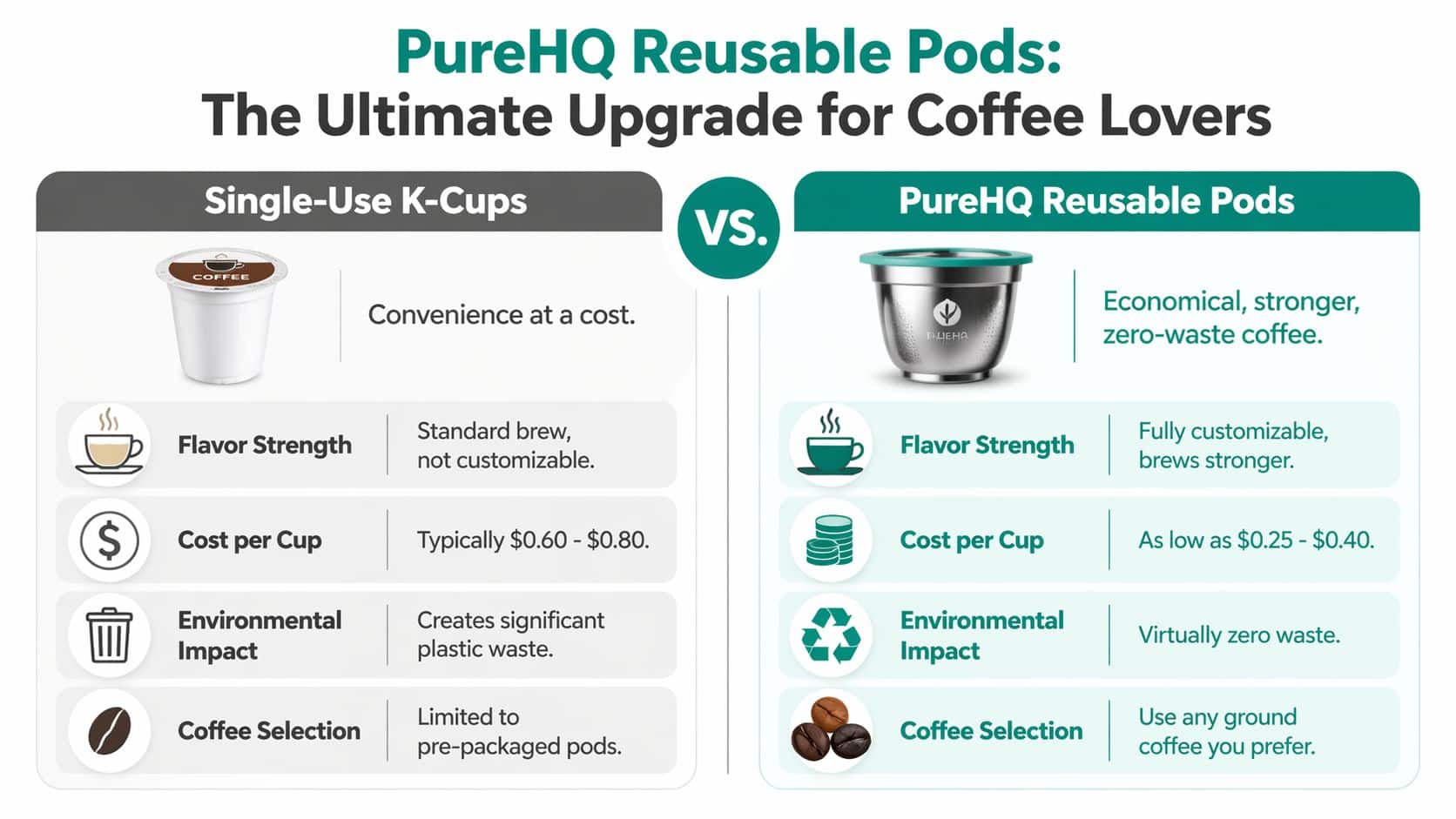
The main advantage is control. With a reusable pod, you can use Seattle's Best ground coffee and fill for the cup you prefer. That means stronger extraction, less guesswork, and no need to accept whatever a factory-sealed pod decided was enough coffee.
Side-by-side comparison
| Feature | Seattle's Best K-Cup | PureHQ Reusable Pod |
|---|---|---|
| Brew strength | Fixed by the pod | Adjustable by fill level and coffee choice |
| Cup consistency | Depends heavily on machine and cup size | Easier to tune for your preferred result |
| Waste | Single-use pod after every brew | Reused repeatedly |
| Coffee choice | Limited to pre-packed options | Use Seattle's Best grounds or any other favorite |
| Cleanup | Throw pod away | Rinse and reuse |
| Best use case | Fast, no-prep mornings | Better flavor control and less waste |
For a deeper look at fit and use cases, this guide to reusable K-Cups for Keurig covers the practical details that matter before you buy.
What works better with reusable pods
Reusable pods outperform disposable ones in a few specific ways:
- You can brew stronger coffee: Add more grounds when a standard pod tastes thin.
- You can match the roast to the machine: Some brewers benefit from a slightly fuller fill and a smaller cup size.
- You can stop wasting good coffee on bad extraction: If a brew comes out off, you adjust the next cup instead of writing off the whole box.
This is the part many pod drinkers miss. "Convenience" doesn't help much if the result keeps disappointing you.
The messy cleanup objection
A fair objection is that reusable pods sound fussier. Some cheap versions are. They leak, they trap grounds, or they fit loosely. A well-made stainless or durable refillable pod is different. Fill it, close it properly, brew, knock out the grounds, and rinse. That's usually it.
If you want the cleanest routine possible, paper liners help keep the basket cleaner and make disposal easier. Better water also matters more than people realize. A good filter can reduce off flavors from chlorine and let smoother roasts taste clearer, especially when you're trying to dial in a reusable setup.
Reusable pods ask for a little involvement. In return, they give back the one thing sealed pods can't: control.
For coffee drinkers who are tired of weak cups, that's the upgrade that matters.
Your Simple Guide to Brewing with a Reusable Pod
The switch from disposable pods to refillable ones looks complicated until you do it once. After that, it feels like any other basic coffee habit. The key is to keep the routine simple and repeatable.
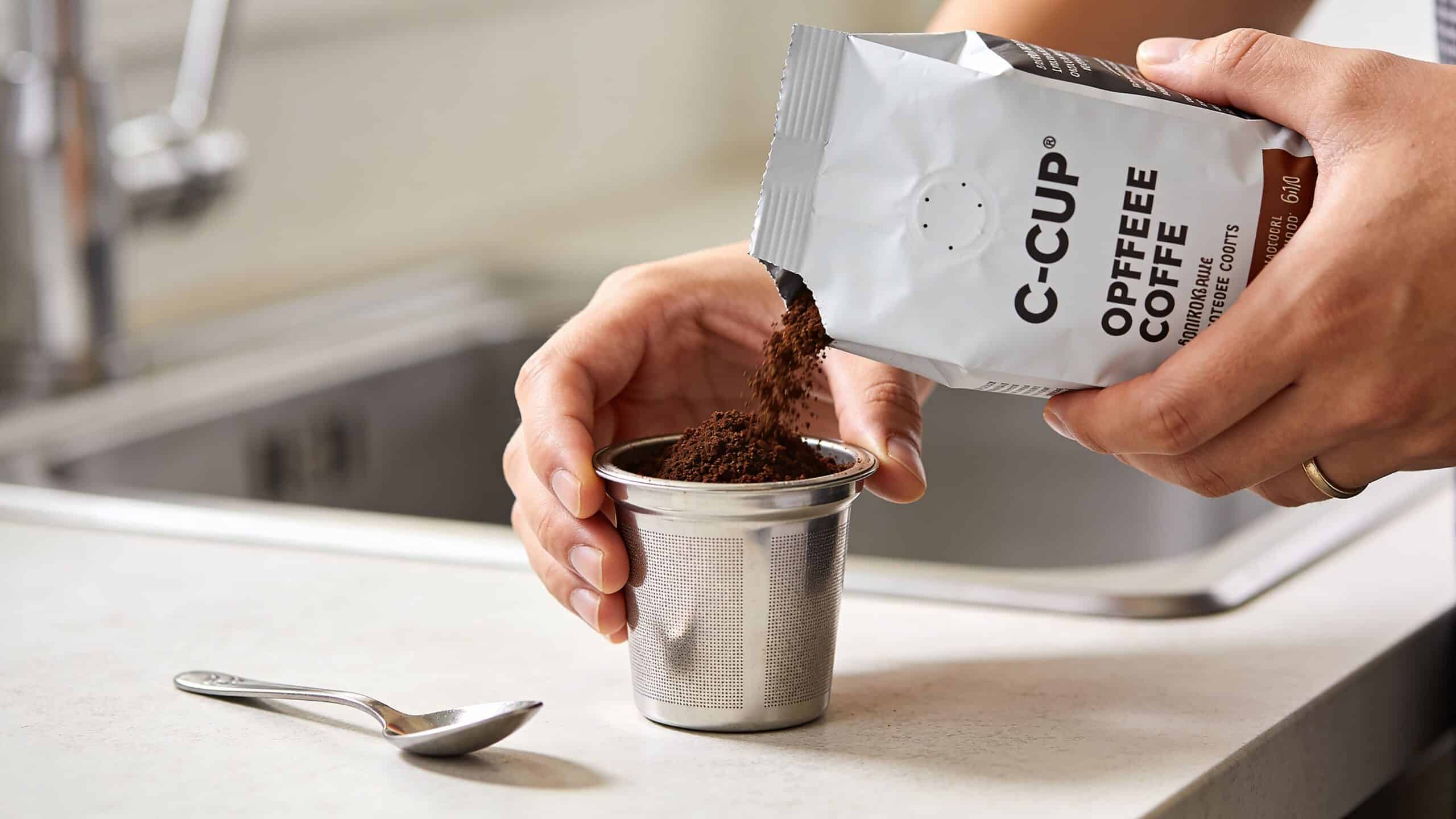
Start with the right grind
Use a medium grind if you're filling a reusable pod with Seattle's Best ground coffee. Too fine, and the brew can slow down or leave sediment behind. Too coarse, and the cup may taste flat.
Then fill the pod with a light hand. Don't pack the grounds down hard. Let the water move through the coffee instead of fighting a compressed puck.
A straightforward routine
This workflow keeps things clean and consistent:
Fill the pod carefully
Spoon ground coffee into the pod over the sink or a small dish towel. Stop before overfilling so the lid can close cleanly.Check the seal
Make sure the lid is fully shut and the pod sits properly in the brewer. Most overflow issues begin here.Choose a smaller brew size first
Start short, taste, and adjust from there. It's easier to add hot water to a strong cup than to rescue a weak one.Rinse right after brewing
Wet grounds release more easily than dried grounds. A quick rinse usually beats a delayed deep clean.
Cleanup doesn't need to be a chore
If you're worried about mess, there are two easy habits that help. First, tap the used grounds into the trash or compost right after brewing. Second, rinse before coffee oils dry onto the mesh.
Some people also like paper liners because they make cleanup faster and keep fine particles out of the cup. They aren't mandatory, but they can make the switch feel even easier.
A quick visual guide helps if you're using a reusable pod for the first time:
Small adjustments matter
If the cup tastes too light, add a bit more coffee or reduce the brew size. If the machine strains or drips slowly, use a slightly looser fill next time. Reusable brewing is forgiving because you can correct course immediately.
That's the main benefit. You're no longer stuck with whatever came sealed in a plastic pod.
Troubleshooting Common K-Cup Brewing Issues
Even a solid coffee routine runs into problems. The trick is knowing whether the issue comes from the pod, the fill level, or the machine itself.
If the coffee tastes weak
With disposable pods, choose a smaller cup setting. If the result is still thin, the pod may not hold enough coffee for the strength you want. With reusable pods, increase the coffee slightly or reduce the brew volume.
If your machine has gradually started producing flatter coffee from every pod type, mineral buildup is often the culprit. A proper descaling cycle can restore water flow and improve taste. A quality descaling solution and regular maintenance usually do more for flavor than people expect.
Clean water paths matter. When scale builds up inside the brewer, extraction suffers before the machine fully fails.
If the pod overflows or leaks
For reusable pods, overfilling is the first thing to check. Grounds need headroom. If the lid doesn't close securely, water can push back and spill into the chamber.
Also inspect the rim and gasket area. A few stray grounds can break the seal and cause a messy brew.
If you get grounds in the cup
This usually points to one of three issues:
- Grind is too fine: Switch to a more standard medium grind.
- Mesh needs rinsing better: Old residue can affect flow.
- Pod is overfilled: Water forces fines through the filter when space is too tight.
If the machine runs slowly
Slow flow often means the needles or internal lines need attention. Run a rinse cycle, clean the puncture area, and descale the brewer if the problem keeps returning. Replacing an old water filter can also improve taste and reduce stress on the machine over time.
Most "coffee problems" are really maintenance problems in disguise.
Stop Settling for Weak Coffee and Start Brewing Smarter
Seattle's Best can be a solid everyday coffee. The weak link is often the disposable pod, not the roast. If your cups keep coming out small, thin, or inconsistent, a reusable setup gives you the control that sealed pods can't.
Brew shorter. Use the roast that matches your taste. Keep the machine clean. And if you want stronger coffee with less waste, stop relying on single-use pods to do a customizable job.
If you're ready to brew Seattle's Best your way, shop reusable pods, water filters, and descaling essentials from PureHQ Inc. and build a cleaner, stronger, more consistent coffee routine.

