
Coffee Machine Care
Reusable K Cups Target: 2026 Buying Guide
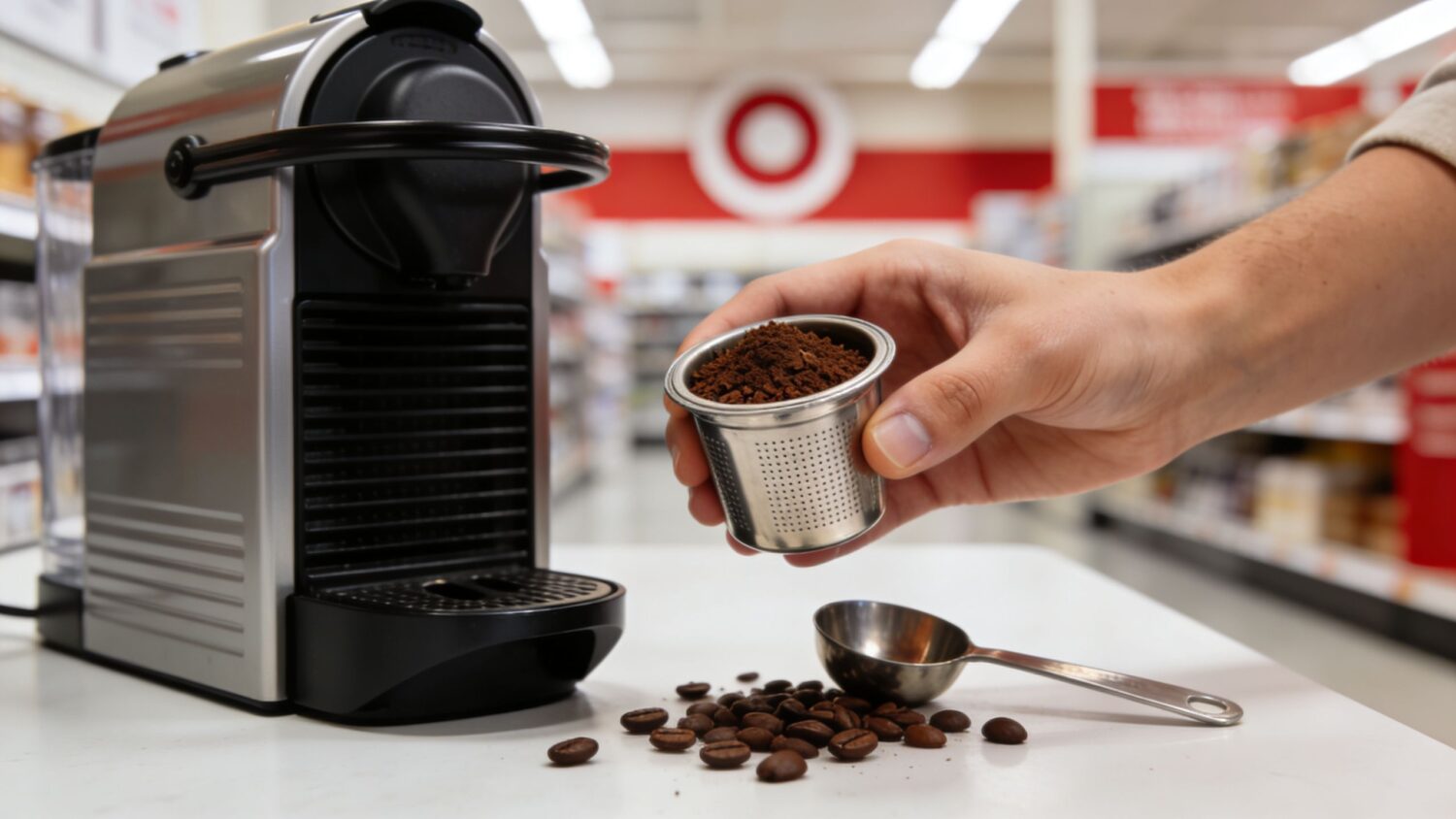
May
Disposable K-Cups feel cheap until you do the math. At projected 2026 pricing, two cups a day with single-use pods costs about $547 to $730 per year, while a reusable filter with ground coffee comes in at about $110 per year, according to this Consumer Reports summary and cost breakdown. That gap is why so many people search reusable k cups target first.
The problem is that buying any reusable pod off a retail shelf can turn a money-saving idea into a frustrating one. A pod can physically fit the machine and still brew weak coffee, leak around the lid, overflow into the cup holder, or fail to work with newer brewers.
I've handled enough refillable pods to know that most failures come from three places. The wrong compatibility claim. A poor lid and filter design. Coffee grounds packed for espresso instead of single-serve brewing. If you want reusable k cups target shoppers can buy with confidence, you need more than “fits most Keurig models” on a package.
The Hidden Cost of Your Daily Keurig Habit
Two cups a day can turn a cheap-looking pod habit into a surprisingly expensive one over a year. That price gap is what pushes many shoppers toward reusable k cups at Target in the first place.
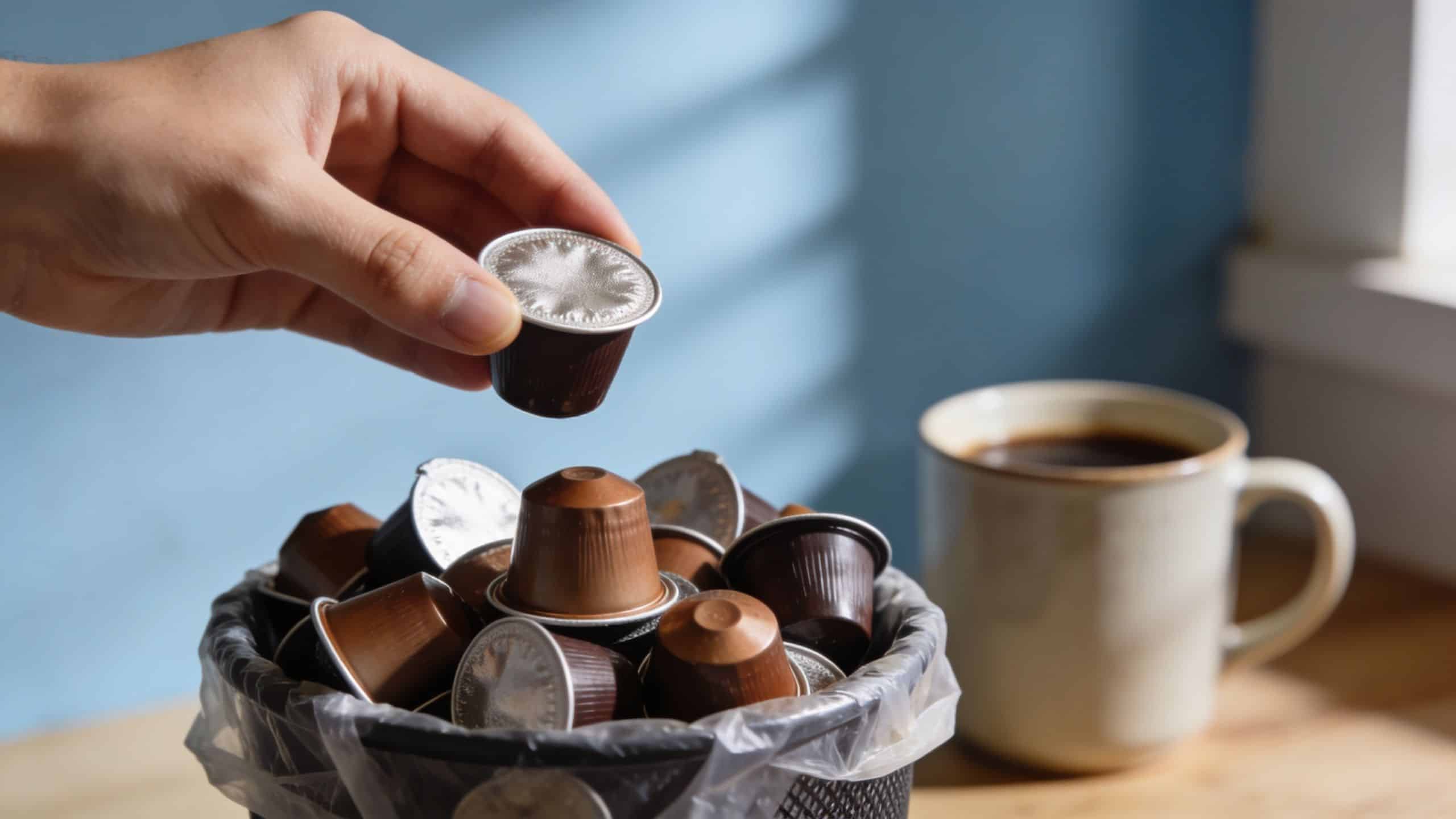
The savings matter, but they are only part of the decision. After testing a lot of refillable pods, I've found that the cheaper mistake is rarely buying disposable pods for too long. It's buying a reusable pod that technically fits, then delivers weak coffee, drips into the holder, or gets rejected by the brewer after a week of use.
That is the trap with this category. Target makes reusable pods easy to find, but convenience and reliability are not the same thing.
Saving money only works if the pod brews well enough to keep using
A reusable pod has to earn its spot in the routine. If the lid flexes, the mesh clogs too fast, or the cup tastes hollow unless you overpack the grounds, a lot of Keurig owners go straight back to single-use pods.
I see the same pattern again and again. Shoppers buy the first generic option that looks close enough, assume compatibility is simple, and end up troubleshooting before coffee.
Practical rule: A reusable pod pays off only if it works cleanly, brews consistently, and feels easy enough to use every morning.
That is why the shopping question is more specific than “should I buy a reusable pod?” The useful question is which pod will work in your machine without leaks, weak extraction, or constant guesswork.
Defining the Shopping Goal
If you're comparing reusable k cups target listings, focus less on the promise of reusability and more on daily performance. The right pod should do four things well:
- Match your brewer's shape and puncture system so water flows through the coffee bed correctly
- Close and seal securely so you don't get splatter, bypass, or loose grounds in the cup
- Brew well with standard drip-fine coffee instead of forcing you into trial-and-error dosing
- Rinse out without much effort so it still feels practical on a busy weekday
This is also where specialized brands start to separate themselves from generic retail options. A store listing may be fast to add to your cart, but a purpose-built pod with clear model compatibility usually gives better odds of a strong cup and fewer surprises. If you want a broader look at those design trade-offs, this guide to reusable coffee pods explains the main differences clearly.
Searching for Reusable Pods at Target and What to Expect
Target is convenient for this category. You can often find reusable pod listings quickly, compare a few product photos, and add one to a pickup order without much effort. That convenience is real.
The weak point is the packaging language. A lot of pods sold through large retailers lean on phrases like “fits most Keurig brewers” or broad model-family claims that sound reassuring but don't answer the question that matters most. Will it brew properly in your exact machine?
Why generic labeling causes so many returns
Target shopper research around this category highlights the same recurring frustration. A common complaint is the gap between a product's claim and real-world performance, especially as Keurig models evolve. Vague compatibility often misses issues involving brewer sensors, basket shape, and grind size, which leaves shoppers asking whether the pod will work in their specific machine, as reflected on Target's reusable coffee pod search results and category context.
That's not a small issue. It affects whether the brewer starts, how the pod seats in the holder, whether water enters evenly, and whether the cup tastes balanced or washed out.
The package can be technically broad and still be practically unhelpful.
What to look for on the listing before you buy
When I scan a retail listing, I don't care much about “universal” language. I look for whether the seller gives model-specific details and whether the pod design matches the machine family.
Check for these signals:
- Specific brewer families. Look for naming that separates classic Keurig models from K-Supreme or Duo-style machines.
- Clear top-view photos. The lid shape often tells you more than the bullet points.
- Brew instructions. If the listing never mentions grind texture or fill level, expect more experimentation.
- Return-friendly packaging language. Broad claims often mean the product is trying to cover too many machine types at once.
What Target does well and where it falls short
Target works well if you need something fast and you already know the exact style your brewer accepts. It works less well if you're still figuring out whether you need a classic single-inlet pod, a MultiStream-compatible top, or a design built for a more specific basket shape.
That's why reusable k cups target shoppers buy on impulse often end up doing a second search later. The first purchase solves availability. The second purchase solves the brewing problem.
Decoding Compatibility for Keurig and Ninja Brewers
A reusable pod can look correct and still fail because the brewer expects water to enter in a completely different pattern.
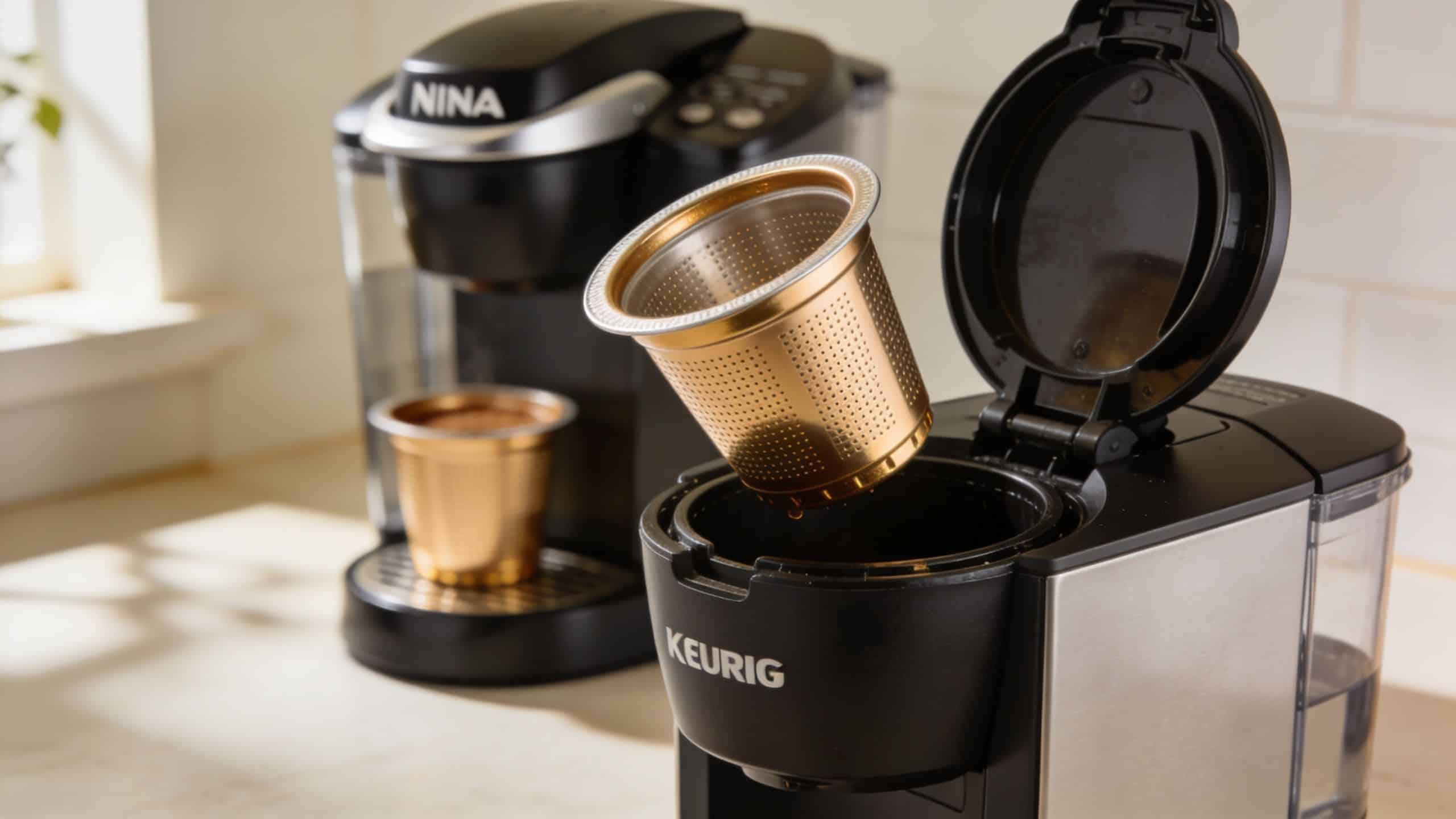
That mismatch matters most with Keurig MultiStream machines, including the K-Supreme family and other brewers that don't use the older single-needle approach.
Single inlet versus five-point water entry
Older pod systems are easier to understand. Water enters through a single top puncture, passes through the grounds, and exits below. Many early reusable pods were built around that idea.
MultiStream brewers changed the top side of the equation. According to technical guidance on MultiStream-compatible reusable pods, these brewers use five top needles, so a compatible reusable K-Cup needs a top design that lets all five points puncture correctly. If the pod only offers a single inlet, the brewer's five-stream spray gets blocked, water coverage becomes uneven, and the result is weak extraction. The guidance states that standard single-hole reusable cups “won't take advantage of” MultiStream.
The easiest way to picture it
Think of the coffee bed like a small garden. A single hose pointed at one spot will soak one area and leave dry patches elsewhere. A five-point spray covers the surface more evenly. But that only works if the pod top allows the machine to deliver water through all those points.
That's why a pod built for classic Keurig machines can underperform badly in a MultiStream brewer even when the dimensions seem close.
Compatibility check: Don't ask only whether the pod fits the chamber. Ask whether the top geometry matches the machine's water-entry system.
If you're trying to sort out model families before buying, this Keurig fit guide for single-needle and MultiStream brewers makes that distinction easier to spot.
Here's a quick visual on the general issue with newer brewers and pod design:
What this means for Ninja owners
Ninja users run into a similar problem when they assume every refillable pod behaves the same across combo brewers and pod systems. The lesson is the same. Match the pod to the machine's puncture pattern, basket shape, and intended brewing path. If any of those are off, the cup quality drops fast.
When reusable k cups target searches pull up broad “compatible with Keurig and more” claims, this is the technical detail that usually gets hidden.
The Keys to a Great Brew Beyond Just the Right Fit
A pod can be fully compatible and still make bad coffee. Fit gets the brewer running. Materials, filter design, and grind size decide whether the cup tastes clean and balanced.
Material changes flavor and lifespan
Reusable pod material guidance from GoodCups points to a common premium build formula: 304 stainless steel plus BPA-free plastics. Those materials are favored because they're described as taste-neutral, heat-resistant, and better able to handle repeated brewing cycles without warping or leaching.
That matters in daily use. Thin plastic pods can soften over time, lids can stop sealing tightly, and lingering odors can creep into the next brew. Stainless steel mesh and sturdy food-contact plastics usually hold their shape better and clean up more predictably.
Capacity and mesh need to match the cup size
The same source notes that many reusable pods hold about 8 to 12 grams of grounds, which lines up with a standard 6 to 8 oz cup. That gives you a practical target. If you're trying to brew a much larger cup with the same pod and the same fill, don't expect the coffee to stay equally strong.
What I look for in a useful pod design:
- A stable rim and lid that closes the same way every time
- Fine enough mesh to keep sludge out of the cup
- Enough internal space for the grounds to saturate instead of compacting into a puck
A reusable pod should hold coffee securely without turning the filter into a choke point.
Grind size fixes more “bad pod” complaints than people expect
Most weak-brew complaints don't come from the pod alone. They come from using too fine a grind, overfilling, or tamping the coffee down.
A better starting routine looks like this:
- Use a medium-coarse grind rather than espresso-fine coffee.
- Fill without packing so water can move through the grounds.
- Brew a smaller cup first if you're testing a new pod.
- Adjust one variable at a time instead of changing grind, dose, and cup size all at once.
For cleaner cleanup, paper liners can make sense if you use a reusable pod every day and don't want wet grounds stuck in the mesh. And if you want a more detailed brew routine, these reusable K-Cup taste and performance tips lay out the common adjustments that solve bitterness, clogging, and watery cups.
Comparing Target Options Versus PureHQ and Amazon
The hardest objection in this category is reasonable. Why spend more effort on a specialty reusable pod when Target or Amazon already has cheaper options?
Because this product category punishes vague engineering. A low-cost pod can work fine. It can also become the reason you decide reusable coffee “doesn't work,” when the actual problem is poor compatibility detail, a weak lid seal, or a flimsy top design.
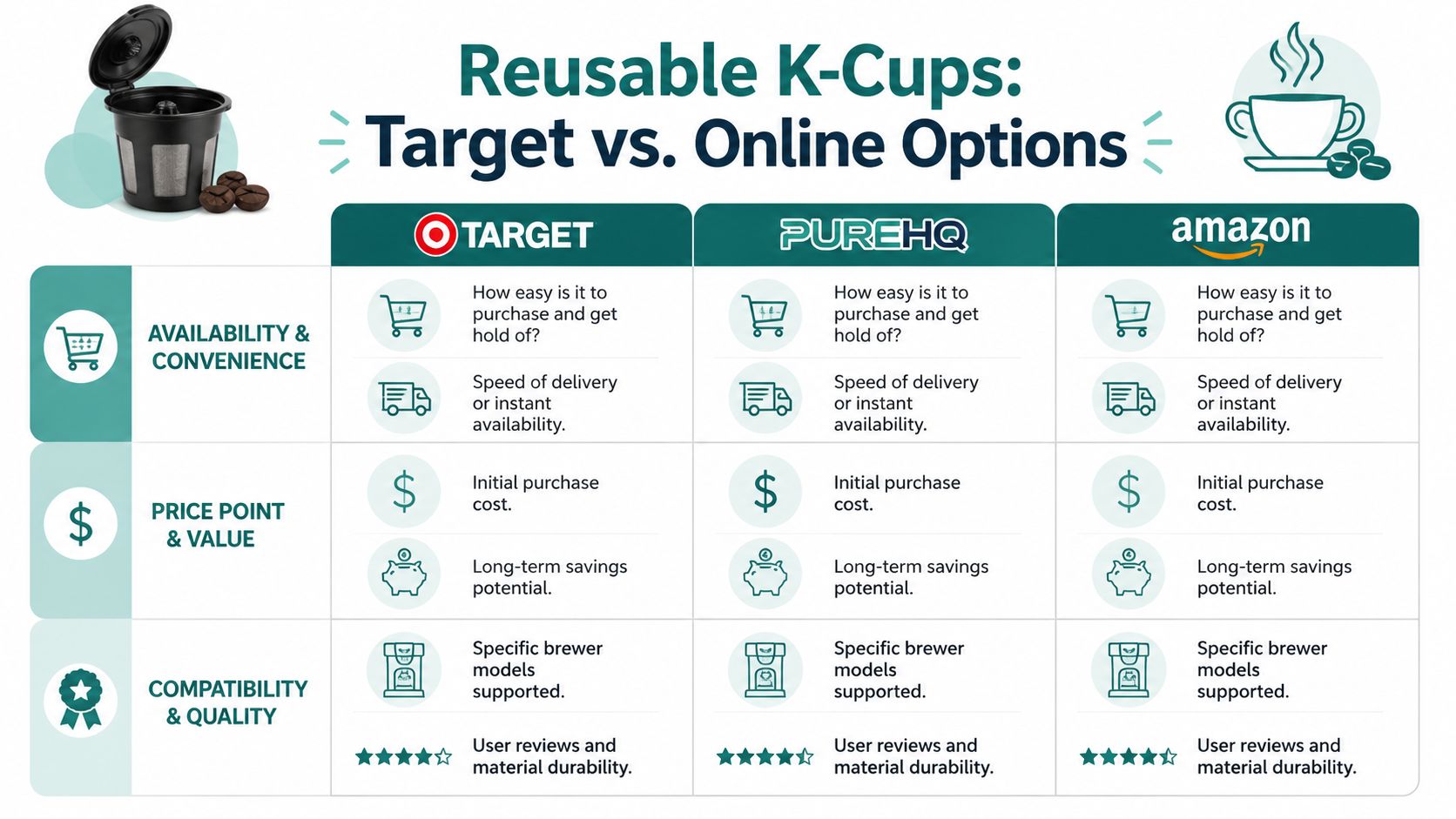
Where each buying channel makes sense
Target is the fast option. Amazon is the broadest option. A specialist brand is usually the clearest option when you need model-specific guidance and accessory support.
That doesn't automatically make one channel right for everyone. It depends on what problem you're solving.
- Buy at Target when speed matters and you already know the exact pod style your brewer needs.
- Buy on Amazon when you want a large field of options and are willing to sort through compatibility claims.
- Buy from a specialist seller when your machine is picky and you want clearer model guidance, matching accessories, and less guesswork.
Reusable K-Cup Comparison Generic Target Pod vs. PureHQ Premium Pod
| Feature | Generic Pod (Typical at Target) | PureHQ Premium Pod |
|---|---|---|
| Material approach | Often basic plastic construction | Includes options built around BPA-free materials and stainless steel designs |
| Compatibility language | Broad claims such as fitting “most” brewers | More model-specific selection for Keurig families and related systems |
| Lid and top design | May work for older brewers but can be vague for newer machines | Includes products designed for specific brewer styles, including MultiStream-focused options |
| Brew consistency | More dependent on trial and error | Better suited for shoppers who want to match pod style to machine type before buying |
| Long-term ownership | Lower upfront friction, but more risk of mismatch | Better fit for people who care about repeatable daily use and accessory support |
| Where it's strongest | Fast local availability | Curated compatibility and coffee-machine accessory focus |
This is the one place where I'll name a specific specialist option. PureHQ sells reusable K-Cups and related accessories for classic Keurig machines, MultiStream models, K-Duo variants, and some Ninja systems, alongside liners and descalers that support daily use. That matters if you're tired of broad retail labeling and want the pod choice tied more directly to the brewer family.
If your first reusable pod leaked or brewed weak coffee, that doesn't mean reusable brewing failed. It usually means the product was too generic for the machine.
Making the Switch and Keeping Your Brewer Happy
Reusable pods do reduce waste, but they ask more of the user. As Target product context around reusable K-Cups notes, the trade-off includes more hands-on cleaning and the possibility of more frequent descaling to avoid clogs and taste issues.
That trade is still worth it for many coffee drinkers. You just need a simple routine.
A maintenance routine that actually works
After each brew, dump the grounds promptly and rinse the mesh before oils dry onto the filter. Let the pod dry open when possible. If the cup starts tasting dull or the flow slows down, clean the pod more thoroughly and check the machine for scale buildup.
A descaling product is one of the few accessories that earns its drawer space. Reusable pods introduce different grounds and oils into your workflow, so regular machine maintenance becomes more important, not less.
If your home coffee setup also depends on treated water, these expert tips for installing UV systems offer a helpful primer on another part of water quality that people often overlook.
Quick answers to common objections
What if I'm worried about leaks?
Leaks usually come from a poor lid seal, overfilling, or using a pod style that doesn't match the brewer's top puncture pattern.
Will a reusable pod make weaker coffee?
It can, if the grind is too fine, the brew size is too large, or the pod is wrong for the machine. The pod itself isn't the only variable.
How do I choose between Target and a specialty option?
Choose Target for speed. Choose a more specialized listing when your brewer model needs exact matching and you'd rather avoid trial-and-error.
Do reusable pods need more upkeep?
Yes. That's the main trade-off. They cut down on single-use waste, but they need regular rinsing and better machine maintenance.
If you're done guessing which pod will fit and brew properly, shop PureHQ Inc. for reusable K-Cups, liners, and descaling accessories matched to specific brewer families. It's a cleaner way to move beyond disposable pods without settling for weak coffee or compatibility roulette.

