
Coffee Machine Care
Premium Coffee Brands: A 2026 Guide to Better Taste
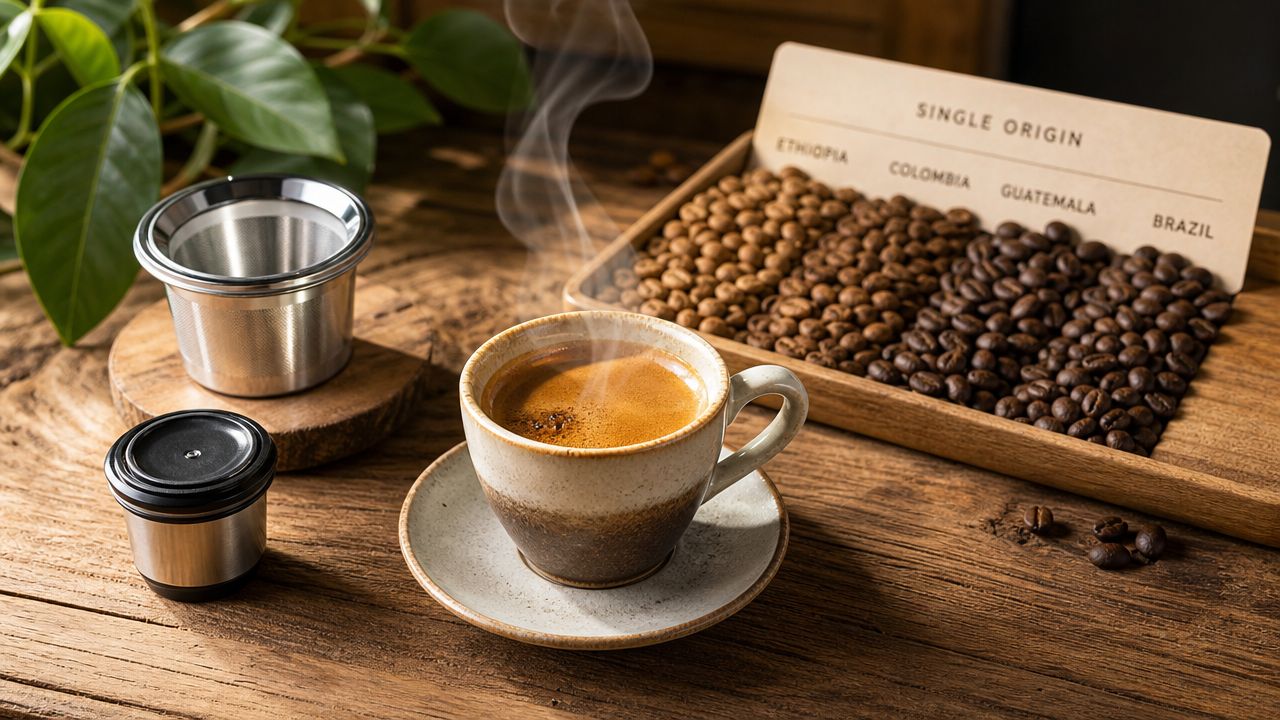
Jun
More Americans are choosing better coffee than traditional coffee now. In 2025, 46% of U.S. adults drank specialty coffee in the past day, compared with 42% who drank traditional coffee, a shift that pushed specialty to a 14-year high according to the Grand View Research market overview citing National Coffee Association data.
That sounds like a victory for taste. Yet plenty of people still buy expensive beans, brew them in a Keurig or Ninja, and end up with a cup that tastes flat, harsh, or just forgettable.
I think the reason is simple. Many consumers shop for a premium coffee brand as if the label alone can do the work. It can't. Coffee quality is a chain, and home brewing breaks that chain in predictable places: stale grounds, poor water, scale buildup, the wrong grind, or a reusable pod packed badly. If you fix those weak points, your current machine can produce a much better cup than most “premium” marketing suggests.
Why Your Premium Coffee Tastes Disappointingly Average
A bag can say premium, gourmet, or artisan and still leave you unimpressed at breakfast.
That disconnect frustrates people because the purchase feels rational. You paid more. You picked a brand with tasting notes on the bag. You expected a cleaner, sweeter, more distinctive cup. Then your Keurig gives you something dull, and your Ninja gives you something muddy.
The label isn't the whole product
Coffee doesn't behave like a sealed luxury good. A premium bean has potential, not a guarantee. The moment the coffee is ground, exposed to air, brewed with mineral-heavy water, or pushed through a machine that needs descaling, that potential starts slipping away.
A lot of confusion starts with language. “Premium” sounds precise, but in grocery aisles it often works more like a mood word than a technical standard. Some brands use it to signal better sourcing or roasting. Others use it to justify a higher shelf price.
Practical rule: Don't judge premium coffee brands by packaging first. Judge them by what happens in the cup and by how much control they give you over freshness.
Your machine may be muting the very flavors you paid for
Pod brewers are convenient, but convenience can blur flavor if you treat them like black boxes. Many people use old filters, skip descaling, buy pre-ground coffee that has been open too long, or overpack a reusable pod because they think more grounds means more flavor. Usually it means restricted flow and uneven extraction.
The result is easy to recognize:
- Flat taste: The coffee smells promising but tastes generic.
- Bitterness: The brew feels harsh rather than rich.
- Weak body: The cup looks dark but drinks thin.
- No distinction: Different beans taste oddly similar.
That last point matters. If every bag tastes the same in your machine, the brewer setup is probably overriding the bean's character.
The useful way to think about premium
Premium coffee isn't just what you buy. It's what you successfully extract.
That mindset changes the whole game. Instead of asking, “Which expensive brand should I buy?” ask, “What do I need to preserve this coffee's flavor from bag to cup?” Once you do that, your Keurig or Ninja stops being the obstacle and starts becoming part of a repeatable system.
Decoding What Makes a Coffee Brand Truly Premium
Most shoppers use three coffee tiers without realizing it. Think of them like wine.
Commodity coffee is table wine. It aims for familiarity and volume. Specialty coffee is fine wine. It follows strict quality standards. Premium coffee brands usually sit in the middle. They're trying to deliver a better experience than commodity coffee, even if they don't meet the strictest specialty benchmark.
The only benchmark that gives the word structure
The cleanest technical line comes from specialty coffee standards. According to De'Longhi's explanation of specialty, premium, and gourmet coffee, specialty coffee typically means an SCA cupping score of 80 or more out of 100, based on a 350 g green-coffee sample that must have zero primary defects and no more than five secondary defects.
That matters because it gives you something objective. Specialty isn't just “tastes fancy.” It starts with raw-bean quality control.
What premium usually means in practice
Many premium coffee brands likely operate just below that strict specialty line, or they blend specialty-style practices with broader sourcing. They may not advertise a cupping score, but they still focus on the same broad drivers:
- Fewer defects at origin
- Better sorting and handling
- More intentional roasting
- More consistency from batch to batch
The easiest analogy comes from other food categories. If you've ever compared supermarket cooking oil with estate-focused olive oil, you've seen how process, origin, and transparency shape quality. The same logic shows up in guides to best premium olive oil brands, where the product earns its status through sourcing and production, not just a polished label.
Premium is not a protected feeling. It's a set of choices made before the bag reaches your kitchen.
What to look for instead of buzzwords
If a coffee brand calls itself premium, I want evidence in the bag copy, not just mood-setting design. I look for origin detail, processing notes, roast date, and a flavor profile that tells me the roaster expects me to taste something specific.
That approach keeps you from treating all higher-priced coffee as equal. Some premium coffee brands are careful and transparent. Others are only expensive.
The Four Quality Factors You Can Actually Taste
You don't need a professional palate to notice better coffee. You just need to know which variables change flavor in ways your mouth can detect.
Origin changes the baseline flavor
Origin is the bean's starting point. Different regions produce different flavor tendencies, and that affects what lands in your cup before roasting even begins. A coffee from one place may taste more floral or citrusy, while another feels nuttier or heavier.
Single-origin coffee makes this easier to learn because the flavor isn't being averaged out by a blend. If you brew two origins side by side on the same machine, you start to notice that premium coffee brands often taste more distinct, not just stronger.
A useful way to sharpen that kind of attention is to borrow tasting habits from other drinks. The sensory logic in this guide on how to truly taste whiskey applies surprisingly well to coffee: slow down, compare aroma to finish, and notice how texture supports flavor.
Processing shapes sweetness and fruitiness
After harvest, producers process coffee cherries in different ways. You'll often see terms like washed, natural, or honey. Those methods influence how much fruit character stays with the bean and how clean or bold the final cup feels.
You don't need to memorize processing science. Just remember the practical effect. If a bag says washed, expect a cleaner profile. If it says natural, expect more fruit expression. If it says honey, expect something in between.
That's one reason a broad article about coffee bean quality is worth reading before you shop. It helps connect the agricultural step to the taste result.
Roast level and roast date decide what survives the trip home
Roast level affects what the bean emphasizes. Lighter roasts usually preserve more origin character. Darker roasts bring more roast-driven flavors. Neither is morally better. They just highlight different things.
The bigger home-brewing issue is freshness. A “best by” date doesn't tell you much about flavor. A roasted on date tells you when the coffee began its most flavorful life. If a brand gives you roast timing, it's usually treating freshness as part of quality rather than an afterthought.
Buy coffee like produce, not like canned goods. Freshness is part of the flavor.
Certifications tell you what the brand values
Taste isn't the whole premium story anymore. According to The Good Trade's review of ethical coffee options, many premium brands now differentiate themselves through Fair Trade, B Corp, organic, and direct trade relationships. That shift matters because some buyers define premium partly through sourcing ethics and environmental choices, not only through cup quality.
That doesn't mean every certification guarantees a better-tasting brew. It means certifications can help explain what kind of premium the brand is trying to deliver.
Here's the short buyer's checklist:
- Origin detail: More specificity usually signals more care.
- Processing note: It helps predict taste.
- Roast date: It tells you whether freshness is being taken seriously.
- Certifications: They show social and environmental priorities.
Premium Versus Standard Coffee A Comparison
The fastest way to see the difference is side by side. Not every premium coffee outperforms every standard coffee, but the two categories usually behave differently in ways you can spot on the bag and in the cup.
Premium Coffee vs. Standard Coffee at a Glance
| Attribute | Premium / Specialty Coffee | Standard / Commodity Coffee |
|---|---|---|
| Sourcing transparency | Often gives origin detail, and sometimes farm or region information | Often broad or undisclosed sourcing |
| Quality language | May describe processing, tasting notes, and roast intent | Often emphasizes strength, smoothness, or convenience |
| Freshness clues | More likely to show a roast date | More likely to show only a best-by date |
| Flavor profile | Distinctive and easier to compare between bags | More uniform and less expressive |
| Defect control | Greater emphasis on cleaner green coffee and consistency | Less visible to the buyer |
| Buyer experience | Rewards careful brewing | Built to be forgiving and familiar |
The hard objection is fair
A lot of people ask the right question: is the extra price actually worth it?
Sometimes yes. Sometimes no.
An independent market commentary argues that some brands charge more for identity and packaging rather than better beans, and it also notes that one bean-free coffee product is “over 40% cheaper than traditional coffee”. I wouldn't use that to dismiss premium coffee brands. I'd use it to stay skeptical of price as a shortcut.
What to notice when people say it all tastes the same
If someone tells you premium and standard coffee taste identical, I usually ask three things:
- Was the coffee fresh? Old grounds erase differences.
- Was the machine clean? Scale and residue flatten flavor.
- Was the brew method controlled? A bad reusable pod setup can make every coffee taste blunt.
Higher price doesn't guarantee better coffee. Better signals do. Look for freshness, detail, and brew compatibility.
If a premium bag gives you no roast date, no meaningful origin information, and no reason to believe the producer handled the coffee carefully, treat it cautiously. Premium should mean more than expensive.
How to Smartly Buy and Store Premium Coffee
The best bag in the world can still disappoint if you buy it carelessly or store it badly.
I'd rather drink a thoughtfully chosen mid-priced coffee at peak freshness than a prestigious bag that sat open next to the toaster for a week.
What to look for when you buy
Local roasters and reputable online sellers often make quality easier to judge because they tend to share more detail. Grocery stores can still work, but the buyer has to read more carefully.
Use this quick filter:
- Recent roast date: This matters more than decorative branding.
- Specific origin details: Region, farm, or lot information is useful.
- Clear tasting notes: Not because they're always perfect, but because they show intention.
- Whole bean if possible: Grinding right before brewing preserves more aroma.
Water also matters before you even brew. If your tap water tastes hard, dull, or chlorinated, that flavor won't disappear in the cup. A simple primer on how to improve water quality can save you from blaming the beans for what the water caused.
How to store the coffee you paid for
Coffee's enemies are light, heat, moisture, and oxygen. You don't need a lab to deal with them. You need a boring, effective setup.
Store coffee in an opaque, airtight container in a cool, dark cabinet. Don't leave it in a clear jar on a bright counter. Don't keep opening a huge bag if you only drink a little at a time.
A practical home routine
If you buy premium coffee for a Keurig or Ninja, divide it mentally into two jobs: preserving the beans and brewing the dose.
- Keep the main supply sealed: Open it only when needed.
- Use a smaller daily container: Refill from the main bag as you go.
- Grind only what you'll brew soon: That preserves aromatics.
- Keep the brewer area dry: Moisture and coffee grounds make a messy pairing.
Unlocking Premium Flavor with Your Keurig or Ninja
At this point, consumers either waste good coffee or finally get what they paid for.
A Keurig or Ninja won't turn into a café machine. It doesn't need to. It just needs the right conditions to extract flavor cleanly and consistently.
A quick overview helps before the details:
Water quality changes everything first
Water is the largest ingredient in your cup, and many home brewers ignore it because it doesn't feel like a coffee purchase. Hard water and off-tasting water can mute sweetness and blur delicate notes.
If you use a Keurig-compatible charcoal filter or a similar water filter setup for your machine, you're giving the coffee a cleaner starting point. That's not glamour. That's signal preservation.
Reusable pods solve one problem and create another
Reusable pods are one of the smartest upgrades for premium coffee brands because they let you use your own fresh grounds instead of being locked into pre-filled pods. They also reduce waste and give you far more freedom over roast and origin.
But people run into two common complaints: weak coffee and leaking. Those usually come from poor fit, overfilling, or the wrong grind.
A good reusable pod should seal cleanly, fit the brewer correctly, and be easy to clean. If it doesn't seat properly, water can bypass the grounds. If you pack it too tightly, water can't flow evenly. If the grind is too fine, the cup can taste muddy or bitter.
For Keurig users who want to brew fresh grounds instead of pre-filled pods, guidance on how to use coffee grounds in a Keurig is more helpful than generic pod advice because pod brewers have their own flow limits and quirks.
Grind size and machine health are the hidden control knobs
Pod machines don't give you many visible settings, so people forget they still depend on extraction physics. Espresso provides a useful reference point here. According to Espresso Coffee Guide's technical specifications, espresso typically targets 88–92°C (190–197°F), 8–10 bar, and 18–25 seconds for a 1–2 oz shot. The article also explains that when scale buildup disrupts temperature stability, the result can drift toward sour or bitter flavors.
Your Keurig or Ninja isn't brewing espresso, but the principle is the same. If scale hurts thermal stability and flow, flavor suffers even when the coffee is excellent.
Clean machines make better coffee because they hold brewing conditions more predictably.
For pod brewing, aim for a grind that is neither powdery nor coarse. Too fine and the brew slows, overextracts, or leaks around the seal. Too coarse and the cup tastes weak. Medium to medium-fine is usually the useful neighborhood, then you adjust based on taste and machine behavior.
This is also the place where accessories earn their shelf space. A reusable K-Cup, fresh charcoal filters, and a descaling routine aren't luxuries if you care about cup quality. They're basic process controls. PureHQ Inc. sells those kinds of accessories for Keurig and Ninja-compatible setups, and the reason they matter is straightforward: they let you use fresher coffee, cleaner water, and a better-maintained machine.
A no-nonsense setup for better daily coffee
If you want a premium experience from a common home machine, do this:
- Start with whole beans and grind just before brewing.
- Use filtered water so the bean has a cleaner stage.
- Load the reusable pod correctly without compressing the grounds.
- Choose a sensible cup size rather than the largest possible one.
- Descale on a regular schedule when performance starts drifting.
- Rinse pod parts and baskets thoroughly so stale oils don't carry over.
That combination does more for flavor than chasing increasingly expensive bags while ignoring the brewer.
Your Path to a Consistently Better Cup of Coffee
The useful lesson isn't that you need the most expensive coffee on the shelf. It's that premium coffee brands only show their value when your process lets them.
Buy coffee with real signals of quality. Store it so freshness survives. Brew it with clean water. Use a reusable pod that fits correctly. Keep your Keurig or Ninja free of scale and old residue. Those are small engineering fixes, but they have a big sensory payoff.
That's why some people keep “upgrading” beans and never improve their cup. They're shopping for a result that only comes from a system.
If you already own a Keurig or Ninja, you're closer than you think. You don't need to replace your machine to get a more satisfying daily brew. You need to remove the common bottlenecks between a good bag of coffee and the cup in your hand.
If you want to close that gap, shop accessories from PureHQ Inc. for reusable K-Cups, water filters, and descaling supplies that help your Keurig or Ninja brew cleaner, fresher, and more consistently.

