
Coffee Machine Care
Biodegradable Coffee Filters: Materials, Certifications
Aug
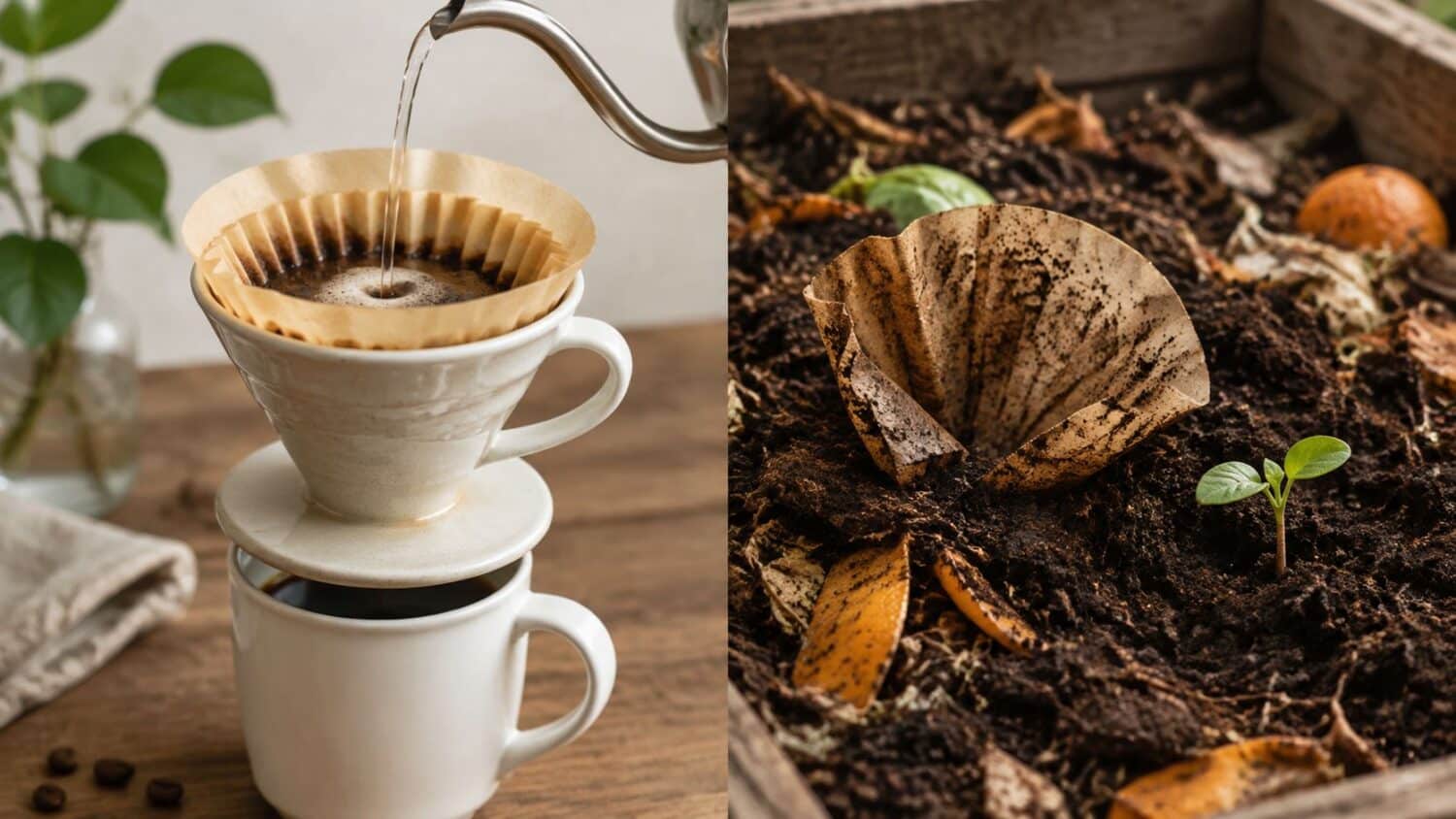
Most advice about biodegradable coffee filters starts with a comforting shortcut: choose paper, put it in the compost, and move on. That shortcut can fail. A filter may contain synthetic reinforcement, carry only a vague biodegradability claim, or meet an industrial composting standard that your home pile and local green bin cannot support.
The practical question isn't whether a filter can break down. It's where, under which conditions, and with what certification. The distinction matters for home brewers who want less waste, and for brands that need disposal claims customers can follow.
Why Biodegradable Does Not Always Mean Compostable
“Biodegradable” describes a material's ability to break down through biological activity. It doesn't automatically identify the timeframe, the environment, the residue, or the waste system that will handle it. A plain cellulose paper filter may biodegrade, while a filter that looks similar but uses plastic, polyester, silicone, or another synthetic reinforcement may persist for years. Independent guidance on paper filter materials makes the important point that the product's construction matters more than the word “paper” on the package.
Compostable makes a narrower promise. Under EN 13432-style criteria, a product must achieve at least 90% biodegradation into carbon dioxide within six months and 90% disintegration through a 2 mm sieve within 12 weeks, while also meeting heavy-metal and ecotoxicity requirements. Those tests describe controlled composting conditions. They don't guarantee that every backyard pile or municipal program will accept the item.
The disposal system changes the answer
A filter can be made from compostable material and still belong in the trash if local collection rules reject it. Municipal programs may accept ordinary paper filters but exclude certified compostable products because their facilities use different processing methods. Industrial composters may accept a certified product while a backyard pile lacks the heat, moisture, oxygen, or microbial activity needed for timely breakdown.
Practical rule: Treat “biodegradable” as a material description, not a disposal instruction.
Marketing language creates the same confusion in other packaging categories. A useful explanation of how biodegradable claims can differ from actual end-of-life conditions appears in this biodegradable shrink wrap UK guide. The lesson applies to coffee filters too. Read the material list, find the certification, and check the rules for the compost system you'll use.
The safest buying decision starts with three questions: Is the filter made entirely from compost-compatible materials? Does it carry a relevant certification? Does my disposal service accept that certification? If a product page answers only the first question, you don't yet know whether it belongs in your compost stream.
Materials Used in Biodegradable Coffee Filters
Most biodegradable coffee filters use cellulose-based paper, usually made from plant fiber. Microorganisms can act on cellulose, which is why plain paper filters are generally treated as compostable when they contain no plastic lining or incompatible coating. The filter's paper structure also gives coffee a predictable flow path, holding grounds in place while allowing brewed coffee to pass through.
The modern format dates to 1908, when Melitta Bentz of Dresden punctured an overturned brass cup and used blotting paper to create a practical drip-coffee filter. That invention established the low-cost disposable design that still influences paper filters sold across North America, Europe, and other major markets. The history and lifecycle of Melitta paper filters connects that early design to today's biodegradable and compostable versions.
Paper choices affect end of life
Unbleached filters retain their natural brown color and avoid the visual impression of a heavily processed product. Independent guidance says plain paper filters biodegrade, with unbleached versions decomposing slightly faster in some conditions. Bleached filters can still be compostable when the paper uses suitable processing and contains no incompatible coating, but buyers should look for clear material and certification information rather than assuming white paper is unsuitable.
Oxygen-bleached, TCF, and ECF descriptions can tell you more about processing than a generic “eco” label, but they don't replace a compostability certification. The critical issue remains the complete product construction.
Coatings and reinforcement create the common trap
Some filters include PLA, or polylactic acid, linings or other reinforcement. PLA is plant-derived, but plant origin alone doesn't tell you whether the finished filter will break down in a home pile. The same applies to polyester mesh, nylon, silicone, and plastic support fibers. These components can change the product from a plain paper filter into a mixed-material item with different disposal requirements.
Before buying, check for:
- Material disclosure: Look for cellulose or paper as the primary construction, and identify any lining, mesh, adhesive, or reinforcement.
- Certification wording: “Home compostable” has a different practical meaning from “industrially compostable.”
- Coating claims: Don't assume a plant-based coating works in your local compost system.
- Filter shape: Material sustainability doesn't help if the filter collapses, bypasses the brew bed, or leaks grounds.
For a more detailed look at paper filter formats and organic positioning, see this guide to organic coffee filters. The useful habit is simple: inspect the finished product, not just its headline label.
Certifications and Standards You Should Verify
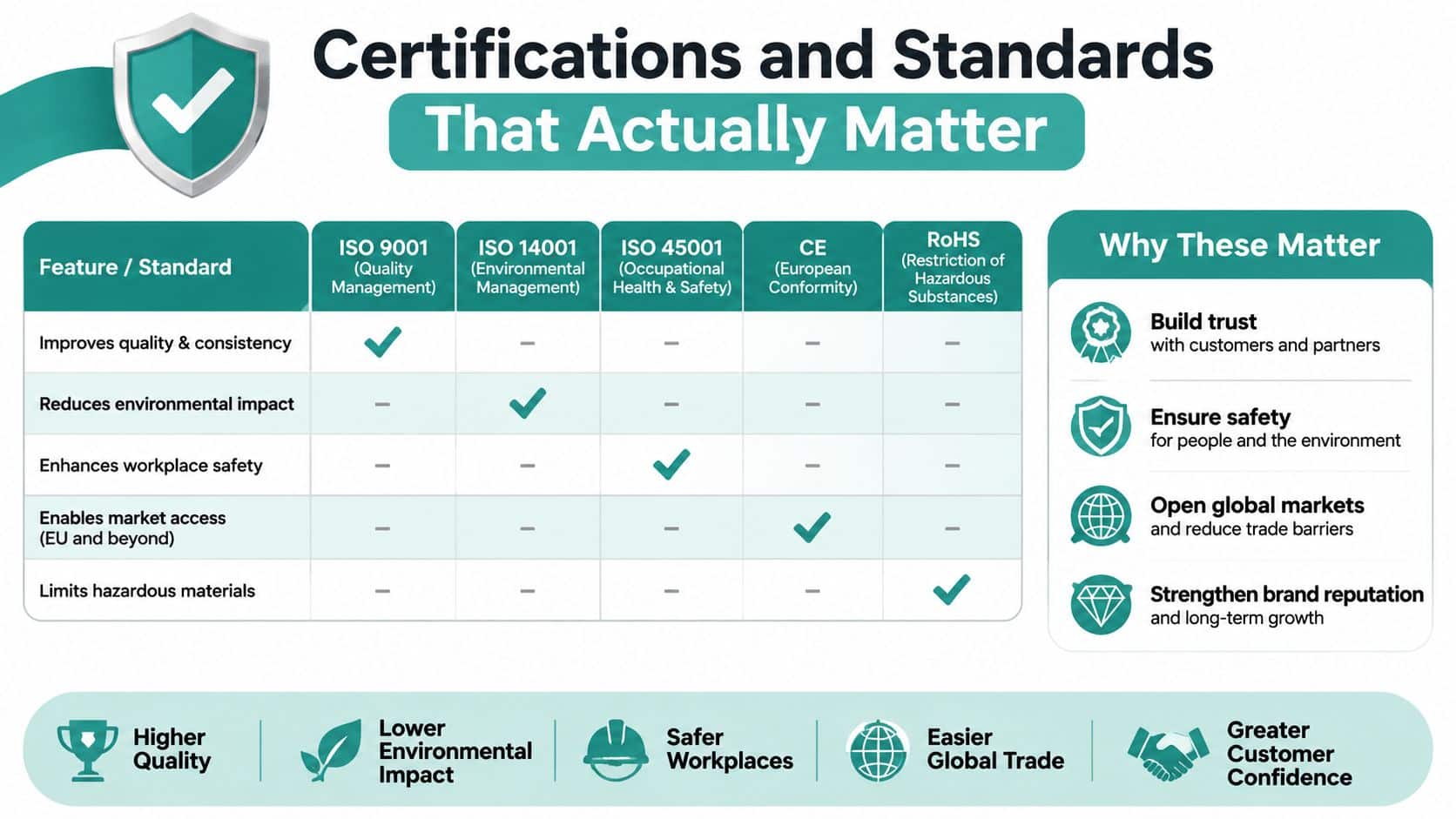
“Biodegradable” describes a potential outcome, not a disposal route. A certification gives the claim defined test conditions, but it cannot guarantee that every certified filter belongs in your backyard pile or municipal green bin.
EN 13432 is relevant to packaging and European markets. Its criteria assess at least 90% biodegradation into CO2 within six months and 90% disintegration through a 2 mm sieve within 12 weeks, along with heavy-metal and ecotoxicity limits. Passing those tests indicates controlled composting performance. It does not promise that an unturned backyard pile will provide the same heat, moisture, oxygen, and processing time.
Industrial and home composting are different claims
ASTM D6868 applies in the United States to finished items that combine plastics or polymers with paper or other substrates and are designed for aerobic composting in municipal or industrial facilities. The standard evaluates disintegration, biodegradation, and effects on plant growth. That scope makes it relevant to filters containing polymer components, while leaving backyard composting outside its promise.
BPI Certified Compostable generally indicates compliance with relevant North American industrial compostability requirements, including ASTM criteria. Check with the local hauler or composting facility before placing one in a green bin. Certification and collection acceptance come from different organizations.
TUV OK Compost HOME addresses backyard composting conditions. It is more relevant for a home pile, but the label does not replace a realistic disposal check. A cool, dry, poorly aerated pile can break down paper slowly, even when the filter material is suitable.
A practical verification routine
Read the package or manufacturer documentation and confirm:
- The exact certification name, rather than relying on “eco-friendly” or “biodegradable.”
- The composting environment, whether home, industrial, or both.
- The full material construction, including liners, adhesives, mesh, and reinforcement.
- Local acceptance, especially for municipal green bins.
Certification answers “does this product meet a defined test?” Your waste provider answers “can this system process it?”
A filter can pass a valid standard and still enter the wrong waste stream if the local facility lacks the equipment or authorization to process it. Match the certification to your disposal system, then verify the finished filter's materials.
Comparing Biodegradable Filters to Reusable and Standard Options
A biodegradable paper filter isn't automatically the lowest-impact choice. It reduces the need to wash a reusable filter, but it remains a single-use product. A reusable stainless-steel filter creates little routine waste, yet its manufacturing, cleaning, and eventual disposal belong in the broader lifecycle discussion. Cloth filters reduce disposable material but require washing and careful drying.
The right choice depends on what you value most. Paper often delivers a clean, familiar cup and simple cleanup. Metal allows oils and fine particles through, which can produce a heavier body. Cloth sits between those experiences, but it demands more maintenance because trapped oils can affect later brews.
| Filter Type | Waste per Year | Cost per Cup | Brew Quality | Compostable |
|---|---|---|---|---|
| Biodegradable paper | Single-use filter waste, subject to material and disposal route | Recurring purchase cost | Clean, familiar paper-filter profile | Often, if plain cellulose or properly certified |
| Standard bleached paper | Single-use filter waste | Recurring purchase cost | Clean cup and predictable flow | Depends on construction and local rules |
| Reusable metal | Little routine filter waste | Reusable purchase with cleaning effort | Fuller body, more oils and sediment | No, but reusable |
| Cloth | Low disposable waste | Reusable purchase plus washing | Soft, filtered cup when maintained | The filter itself may be natural fabric, but disposal and any treatment still matter |
The table avoids false precision because cost per cup and annual waste vary with usage, product price, filter size, and disposal habits. A household brewing once a day faces a different material stream from a busy breakroom.
The objection about durability
Paper filters can leak grounds when the size is wrong, the seam sits incorrectly, or the filter collapses against the brewer wall. That isn't proof that biodegradable paper performs poorly. It usually points to a fit or brewing setup problem. Pre-wetting the filter helps it seat against a cone, while folding the base and side seam in the intended direction can improve stability.
For a deeper look at the trade-off between washable and disposable formats, compare reusable coffee filters versus paper. A reusable metal filter can be the better waste-reduction choice for a committed cleaner, while biodegradable paper can work better for users who prioritize speed and no washing.
The contrarian conclusion is practical: compostability is one factor, not a complete lifecycle verdict. Choose a durable reusable filter if you'll use and maintain it consistently. Choose certified paper if convenience, clean flavor, and an available compost route matter more.
Compatibility with Home Brewers and K-Cup Systems
Filter material only solves the environmental part of the purchase. The filter must also match the brewer. A cone filter designed for a pour-over setup won't necessarily fit a flat-bottom drip basket, and a standard basket filter won't automatically work inside a reusable K-Cup.
Drip machines and pour-over cones
Start with the brewer's specified size and shape. A filter that sits too low can seal against the outlet and slow flow. One that stands too high can fold inward, allowing grounds to bypass the paper. Place the seam where the basket supports it, then pre-wet the paper before adding grounds. The water removes some paper taste, settles the filter into the brewer, and reveals a poor fit before coffee grounds make cleanup difficult.
For pour-over brewing, support matters. Press the filter gently into the cone without tearing it, and use a controlled pour that wets the grounds rather than forcing water down the sidewall. If the paper collapses, check the cone size, the filter geometry, and the dose before blaming the material.
Leak fix: A correctly sized filter, a stable seat, and a pre-wet usually matter more than choosing brown paper instead of white paper.
Reusable K-Cup pods
Reusable pods need a liner that fits inside the pod without bunching over the rim. A liner that is too large can fold into the seal. One that is too small may leave gaps where grounds escape. Add the paper liner first, press it into the basket, fill it without overpacking, and close the pod according to the pod manufacturer's design.
K-Cup users who want a lower-mess routine can pair a reusable pod with disposable paper liners. PureHQ Inc. sells biodegradable paper liners for reusable K-Cups, along with reusable K-Cup accessories and maintenance items for compatible home brewing setups. A descaling solution or cleaning tablet also makes sense when mineral buildup or coffee oils start affecting flow and taste, because filter choice can't correct a machine that needs maintenance.
Check the brewer model before ordering. Keurig K-Classic, K-2.0, K-Supreme, K-Slim, and K-Duo designs don't all use identical pod geometry, and Ninja DualBrew systems can require their own compatible format. Product compatibility should be confirmed from the listing, not inferred from a generic “fits most” phrase.
How to Compost and Dispose of Used Filters Properly
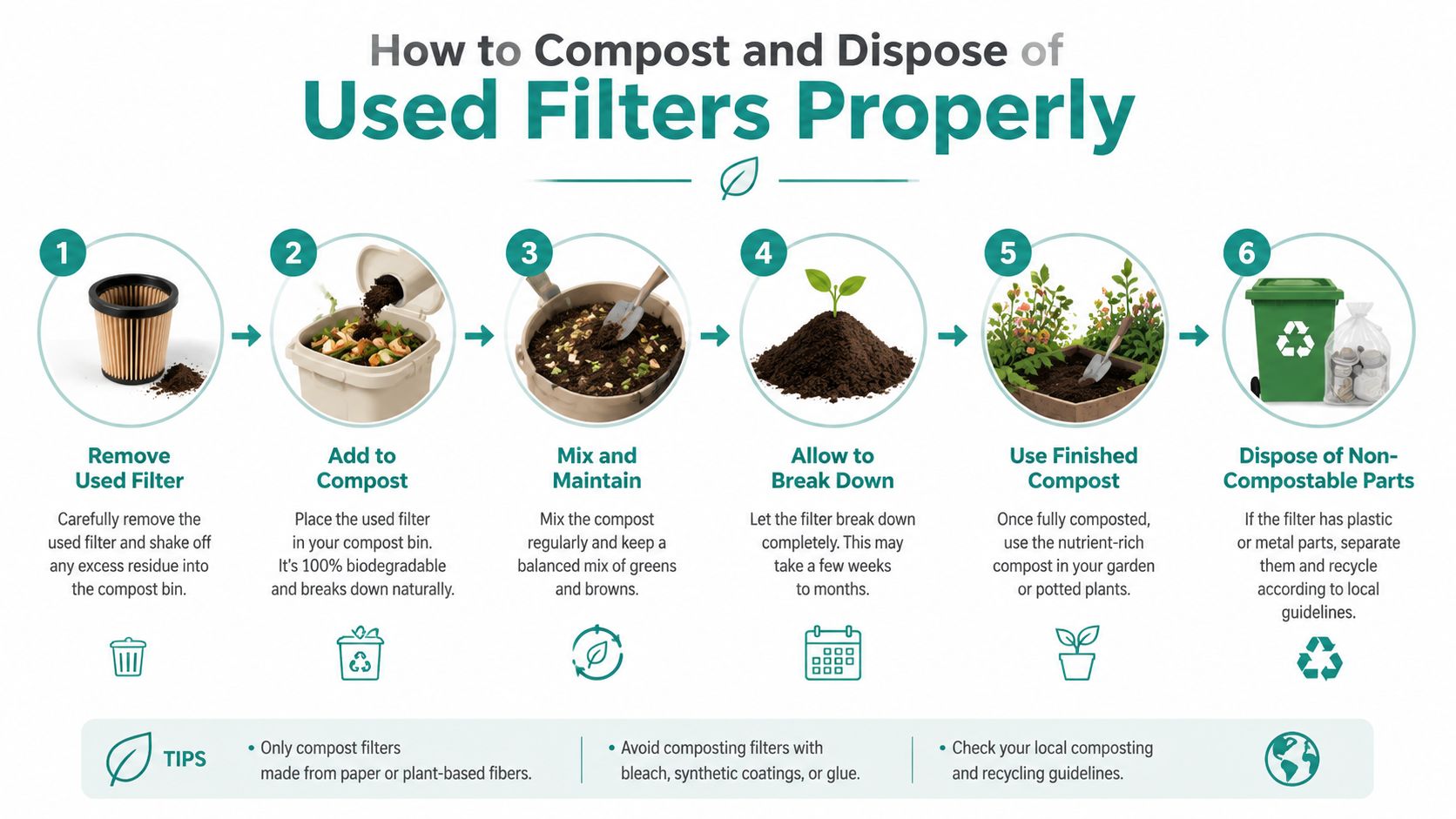
A used filter usually enters one of three systems: a home compost pile, a municipal green bin, or an industrial composting facility. Each system has different rules. Don't place a filter in any stream solely because the package says biodegradable.
For a home pile, use this routine:
- Confirm the material. Remove anything with plastic, polyester, silicone, or another synthetic component unless the product specifically carries a home-composting certification.
- Keep the grounds in the filter. The moist grounds add organic material, while the paper contributes a carbon-rich component.
- Tear or crumple the filter. Smaller pieces expose more surface area to microbes.
- Bury it in an active pile. Mix it with other organic material rather than leaving it exposed.
- Maintain moisture and air. Warm, active compost accelerates breakdown because microbial activity and oxygen availability increase.
- Follow local rules. Stop using the home pile as a disposal route if the product's certification or material list doesn't support it.
Plain filters can become unrecognizable in active compost in four to eight weeks, while complete biodegradation can take about six to eight months, depending on conditions. Material and composting guidance for home-compostable paper filters explains why warm, oxygenated compost behaves differently from a neglected pile.
Green bins and industrial facilities
Municipal programs may accept plain paper filters but reject compostable products, or they may require specific certification marks. Search your waste provider's accepted-items list before adding a certified filter. If the program accepts only food scraps and plain paper, don't assume a polymer-lined filter qualifies.
Industrial facilities can provide controlled conditions that home piles can't, but they still operate by contract and local policy. If your service doesn't identify the product category, ask whether it accepts the exact certification printed on the package. For practical advice on keeping grounds with the filter, see this guide to composting coffee grounds.
Your Buyer Checklist and Next Steps
A good purchase decision connects material, certification, brewer fit, and disposal. If any one of those four pieces is missing, the sustainability claim becomes harder to act on.
Use this checklist before adding a filter to your cart:
- Read the construction: Choose plain cellulose paper when you want a straightforward composting route. Look for disclosure of liners, adhesives, mesh, and reinforcement.
- Match the certification: Choose a home-compost certification for a backyard pile. Choose an industrial certification only when your local facility accepts it.
- Check the brewer: Confirm the size and shape for your pour-over cone, drip basket, or reusable K-Cup. Fit prevents leaks and reduces wasted batches.
- Plan disposal first: Identify the destination before brewing. Your municipal provider's accepted-items list is more useful than a vague package claim.
- Choose reusable when you'll maintain it: Metal and cloth filters reduce disposable waste, but they require regular cleaning and a willingness to manage the different brew profile.
- Ignore unsupported certainty: “Biodegradable” alone doesn't prove home compostability, municipal acceptance, or the absence of synthetic components.
DIY paper filters are tempting, but improvised materials can contain inks, adhesives, coatings, or fibers that weren't designed for hot-water contact or food use. Shelf life also depends on storage. Keep paper filters dry, clean, and protected from humidity so they retain their shape and strength.
Oxygen-bleached paper can be a reasonable option when the manufacturer provides clear material and compostability information. Unbleached paper offers a simpler visual signal, but neither color alone proves that a filter belongs in your compost stream. Certification and local acceptance remain the deciding checks.
PureHQ offers biodegradable paper liners for reusable K-Cups, reusable pods, water filters, and descaling and cleaning accessories for home and small-workplace brewers. Visit PureHQ Inc. to choose a filter and maintenance setup that matches your machine, brewing routine, and actual disposal options.

