
Coffee Machine Care
Pod vs K Cup: The Ultimate 2026 Comparison Guide
May
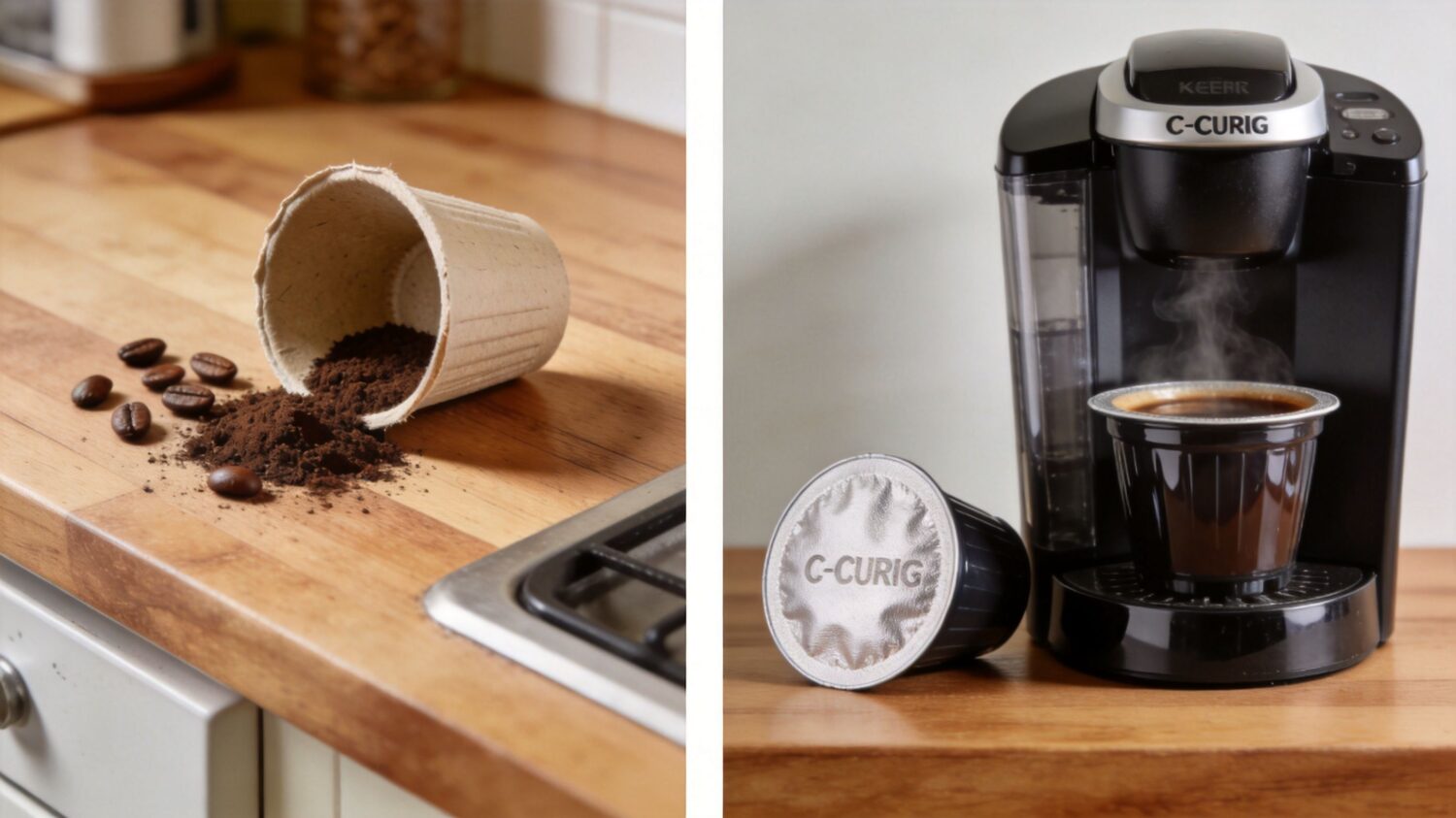
Americans drink single-serve coffee by the billions each year, and that convenience leaves a mark long after the machine comes out of the box. For daily Keurig and Ninja users, the pod vs k cup debate stops being abstract pretty quickly. You see it in the trash, in the cost of reordering, and in how often you settle for coffee that is merely convenient.
The terminology does not help. Coffee pods and K-Cups are not the same format. A coffee pod is usually a soft paper pouch. A K-Cup is a rigid plastic capsule made for Keurig-style brewers. They brew differently, fit different machines, and create different long-term ownership costs.
That long-term experience matters more than the first week of use.
After testing both systems over time, the trade-off is usually clear. K-Cups win on speed and variety. Pods tend to appeal to drinkers who care more about a cleaner format and, often, a more traditional brewing approach. But many households are not choosing in a vacuum. They already own a Keurig or a Ninja, and they want better coffee economics without replacing the machine.
That is why reusable accessories matter so much in this comparison. A reusable K-Cup can narrow the gap between K-Cup convenience and the lower-waste, quality-focused appeal that draws people toward pods in the first place. For anyone trying to sort through the disposal side of single-serve brewing, this guide to K-Cup recycling realities helps explain why the label and the actual-world process often do not match.
Your Morning Coffee Has a Waste Problem
Single-serve brewing solved one problem and created another. It made weekday coffee fast, predictable, and low effort. It also turned an everyday ritual into a steady stream of packaging.
For a lot of households, that trade-off stops feeling reasonable once the machine is no longer new. You start noticing how many empty capsules pile up. You notice how often you restock. You notice that the “easy” option can become the expensive default.
Why this matters every day
The environmental side is hard to ignore when you brew one cup at a time. K-Cups became wildly popular because they removed friction from the morning routine, but that same design depends on single-use materials for every cup. If you've ever wondered why so many people look for alternatives, that's the reason.
There's also the mental friction. Most users don't want to choose between speed and responsibility. They want a cup that tastes good, works with the brewer they already own, and doesn't make them feel like they're throwing money away with every brew.
Practical rule: If your coffee system feels cheap at checkout but expensive in daily use, it's worth rethinking the format, not just the coffee brand.
For anyone trying to sort out what's recyclable and what usually isn't, this guide to K-Cup recycling realities is useful because it focuses on the gap between the label and the disposal process.
The confusion behind pod vs k cup
Part of the frustration comes from language. People say “pod” when they mean any single-serve coffee. Manufacturers don't help. Retailers mix product types in the same category pages. Then buyers end up with the wrong accessories or the wrong expectations.
Here's the cleaner way to view the situation:
- K-Cup means capsule brewing. A plastic cup, sealed top, internal filter, and a machine designed to puncture it.
- Coffee pod means paper pouch brewing. A soft disc or pouch that behaves more like a compact tea bag for coffee.
- Reusable options change the equation. They keep the convenience of a single-serve brewer but let you choose your own grounds.
That distinction matters because taste, cost, and waste all flow from the format itself.
The Keurig K-Cup A Universe of Convenience
Single-serve coffee took off for a simple reason. It solved the weekday problem. Keurig made that especially clear by turning brewing into a one-step routine that even half-awake users can manage.
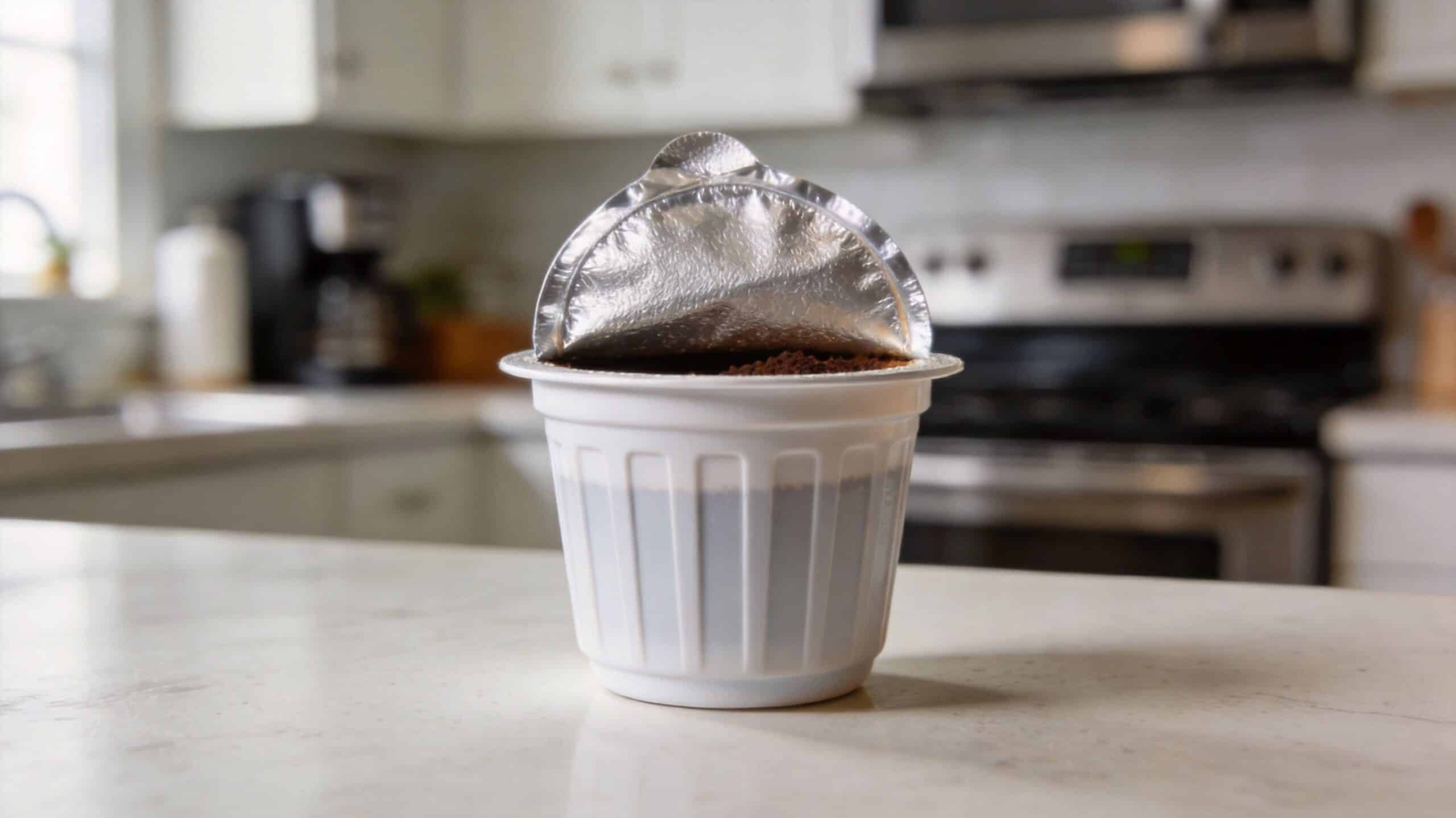
A standard K-Cup is a rigid plastic capsule with coffee sealed under foil and filtered inside the cup itself. That format keeps the process tidy and consistent. Insert the capsule, press brew, toss it out. For households with different preferences, or for office kitchens where nobody wants to measure grounds at 7 a.m., that convenience still holds up.
Keurig also did something many coffee systems never manage. It built habit. Once users had a machine on the counter, the format became the default because the pods were easy to find, the brand selection kept expanding, and the learning curve was basically zero.
For daily use, three advantages stand out:
- Fast brewing: No scooping, tamping, or cleanup beyond discarding the capsule.
- Broad compatibility within the ecosystem: Grocery shelves are full of roast levels, flavored blends, decaf, tea, and cocoa.
- Predictable cups: Even average coffee can taste acceptable when the machine and capsule are designed to work together.
That last point matters more than brands like to admit. K-Cups rarely produce the most expressive cup, but they do reduce bad surprises. For many Keurig owners, that consistency is what keeps the machine in service long after the initial novelty wears off.
The trade-off shows up over time. Capsule brewing is convenient on day one, but long-term ownership can feel restrictive. You keep paying for pre-portioned coffee, your choices are shaped by machine compatibility, and the cup quality has a built-in ceiling because the format prioritizes shelf stability and brewer fit.
I see this most often with Keurig and Ninja users who start out wanting speed, then realize they miss control. They want a stronger cup, fresher coffee, or less waste, but they do not want to replace a machine that still works. That is why reusable accessories matter. A refillable filter can keep the push-button routine while giving owners more freedom to choose better beans, spend less per cup, and cut down on disposable plastic. For buyers comparing formats through a sustainability lens, this breakdown of eco-friendly coffee pod options helps clarify where disposable convenience starts to lose ground.
Convenience is real. So are the ownership costs.
If your priority is speed, broad flavor choice, and minimum effort, K-Cups still make sense. If you care more about taste depth, flexibility, and what the system costs you after a year of daily brewing, the standard disposable setup starts to look less attractive.
Understanding Coffee Pods The Quality-First Alternative
Paper coffee pods earn their reputation in the cup. They are simple by design. Ground coffee sits inside filter paper instead of a rigid plastic chamber, so water moves through the bed differently and the brew often tastes more open and aromatic.
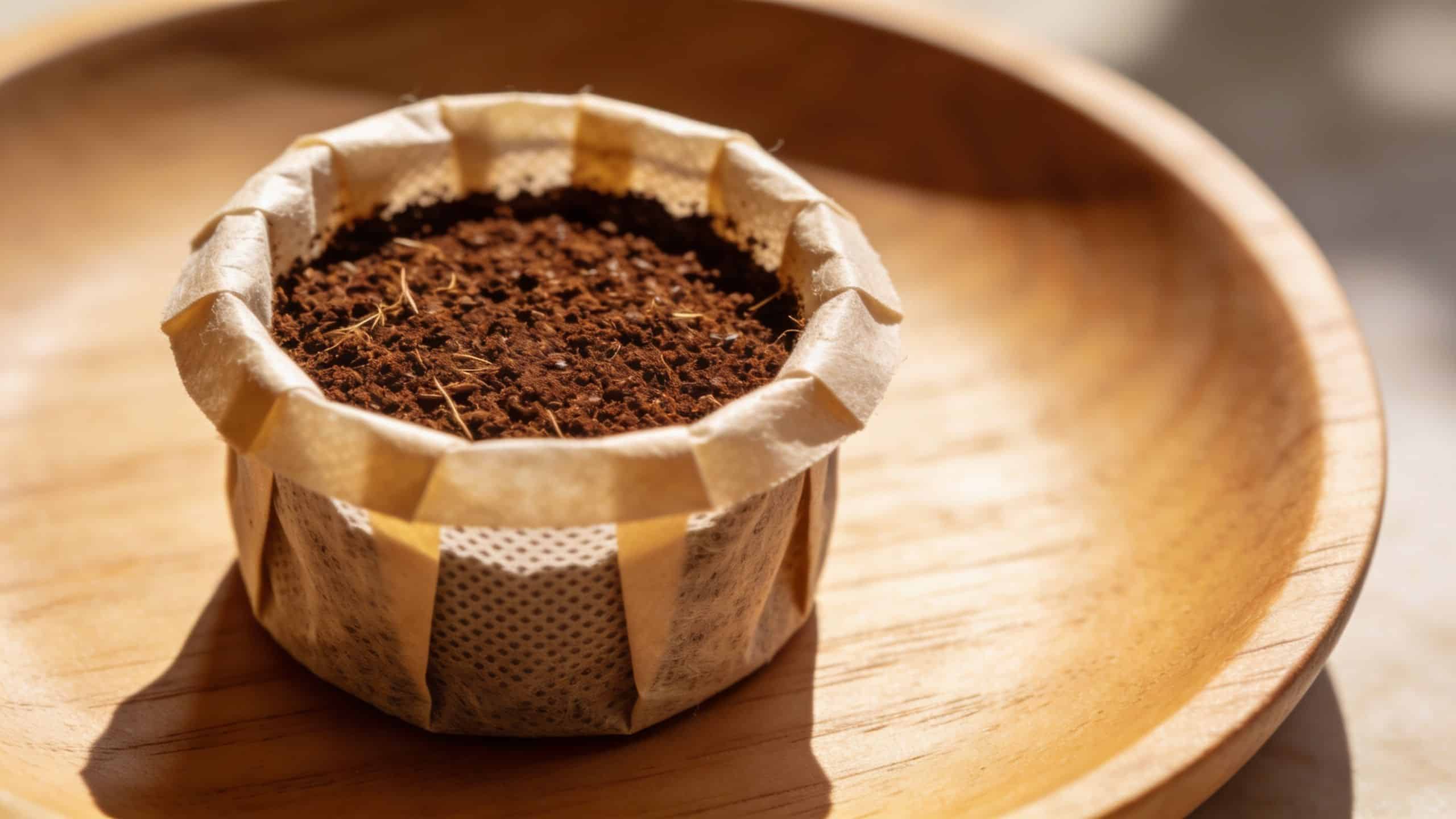
That difference matters more over months of daily use than it does in a one-off demo. With pods, the format itself gets out of the way a bit more. If the coffee is fresh and the brewer is decent, you usually get better clarity and less of the muted, enclosed flavor that can show up in plastic capsules.
Why pods often taste better
The main advantage is extraction. A soft pod spreads the coffee across a wider, flatter shape, which gives water more even contact during brewing. In practice, that often translates to a cleaner cup and clearer aroma, especially with medium roasts and straightforward blends.
Coffee Detective's comparison of pods and K-Cups also notes two points that line up with what many regular single-serve drinkers notice: paper pods are often preferred for a cleaner flavor profile, and they create far less waste by weight than plastic capsules.
Why pods appeal to buyers who care about waste
Pods are easier to live with if trash volume bothers you. Paper formats are lighter, simpler, and in many cases compostable through the right local system. They still create waste, but usually less of it, and less of it is hard plastic.
That long-term ownership angle matters for Keurig and Ninja households. Many owners like the convenience of their machine but get tired of throwing away a plastic capsule every morning. Buyers who want a lower-waste single-serve routine can compare the trade-offs in this guide to eco-friendly coffee pod options.
The trade-off that keeps pods from dominating
Pods make a strong case on taste and waste. Availability and compatibility are the weak spots.
A dedicated pod brewer can produce a very satisfying cup, but pod systems are less common in U.S. kitchens and store aisles. That limits your options over time. For Keurig and Ninja owners, reusable accessories become practical, not theoretical. A well-made reusable K-Cup can close part of the gap by letting you brew fresher ground coffee in the machine you already own, which gets you closer to pod-style cup quality without giving up the convenience that made you buy the brewer in the first place.
Head-to-Head Comparison Pods vs K-Cups
Single-serve coffee only looks cheap and convenient at the start. After months of daily use, the differences between pods and K-Cups show up in your grocery bill, your trash can, and the quality of the cup you get half-awake on a Tuesday.
Here's the side-by-side view that matters in real ownership.
| Feature | K-Cup (Standard Disposable) | Coffee Pod (Standard Disposable) | PureHQ Reusable K-Cup (Solution) |
|---|---|---|---|
| Format | Rigid plastic capsule with foil lid and internal filter | Soft paper pouch | Refillable reusable pod for compatible brewers |
| Best for | Maximum convenience and broad retail availability | Taste clarity and lower-waste disposable brewing | Keurig and Ninja users who want their own coffee and less waste |
| Taste profile | Consistent, convenient, often less open in flavor | Cleaner, more aromatic extraction | Depends on the coffee you choose and how you fill it |
| Per-cup cost | $0.35-$0.75 | $0.25-$0.50 | Lower long-term cost than buying disposables repeatedly |
| Variety | Over 400 flavor varieties | Around 50-100 SKUs | Any ground coffee that works with the brewer |
| Waste profile | Higher packaging waste per cup | Lower waste, often compostable paper | Reusable, with less ongoing packaging waste |
| Compatibility | Keurig-focused | Pod brewers and some multi-format systems | Requires the right reusable design for your machine |
Brew quality and taste
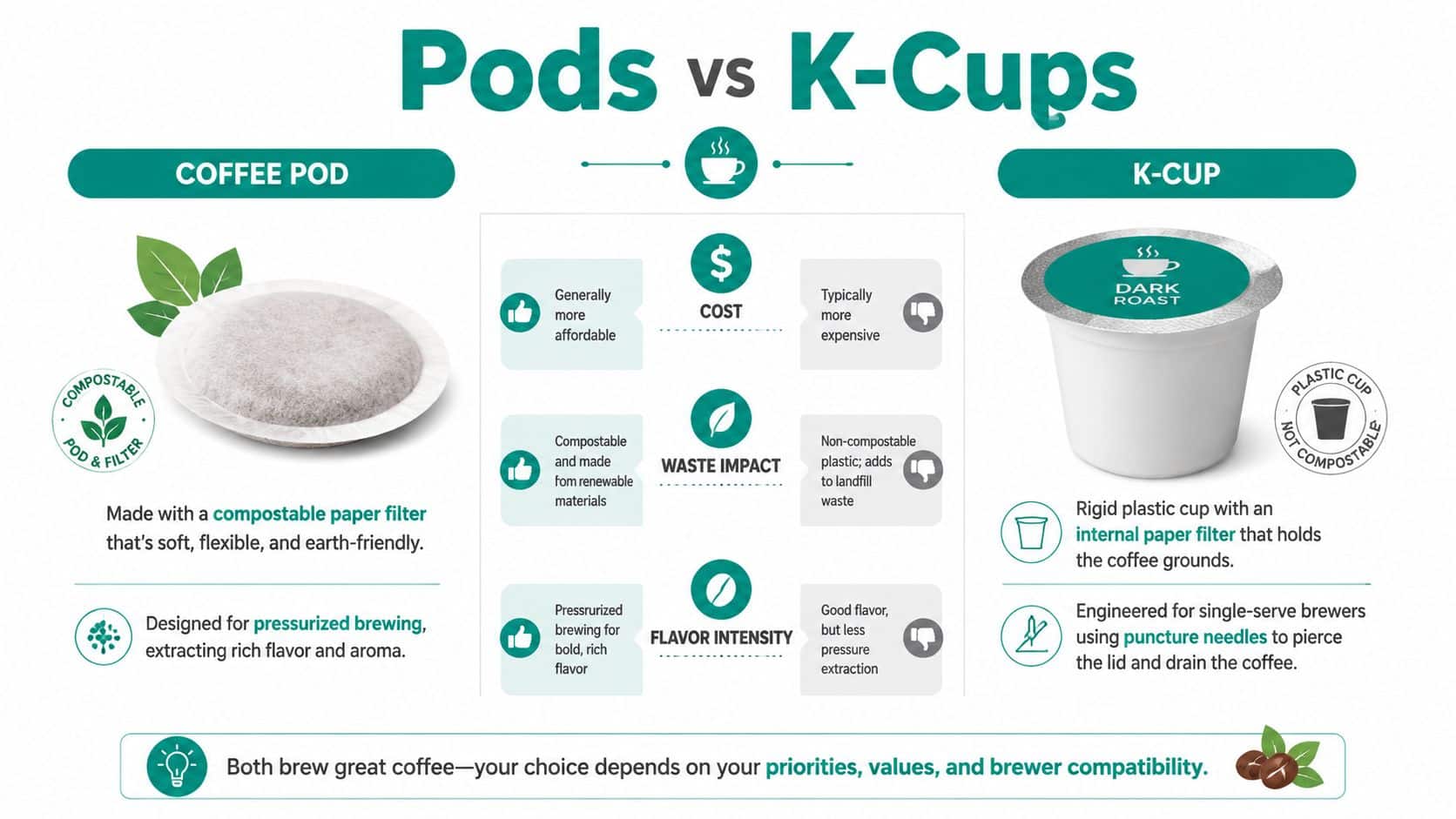
Pods usually win on cup quality. In regular testing, they tend to produce a cleaner, less muddled brew, while standard K-Cups prioritize consistency and speed. That general pattern lines up with the comparison data summarized by Homegrounds in its pods vs. K-Cups guide.
K-Cups are not bad. They are predictable. That distinction matters.
For Keurig and Ninja owners, the long-term question is whether convenience is worth settling for someone else's grind, dose, and coffee freshness every single day. A reusable option changes that equation. With the right fill level and a coffee you like, a Keurig can produce a noticeably better cup than many owners expect. A reusable K-Cup for Keurig brewers gives you more control without replacing the machine already on your counter.
Cost over time
Disposable convenience begins to look expensive at this point.
Homegrounds lists K-Cups at roughly $0.35 to $0.75 per cup and coffee pods at about $0.25 to $0.50. The gap does not seem dramatic until you brew every day. Over a year, even a modest difference per cup adds up fast, especially in households with two coffee drinkers or anyone making a second cup in the afternoon.
Reusable pods cut out the recurring premium of pre-portioned packaging. You still pay for coffee, of course, but you stop paying extra for every plastic shell and sealed lid. For long-term owners, that is often the cleanest financial argument against staying fully disposable.
Ownership lesson: The brewer is a one-time purchase. The format you buy every week is what decides the real cost.
Variety and machine fit
K-Cups have the advantage on selection. If you want flavored coffee, decaf, brand-name roasts, and something different for every person in the house, K-Cups are easier to find in stores and easier to reorder.
Pods are narrower by comparison, and that limitation becomes more obvious over time than it does on day one. A pod system can make a very good cup, but you have fewer paths if your favorite option disappears, gets harder to source, or costs more than it used to.
Machine fit matters too. Keurig owners already know that compatibility can be annoying once you add accessories, refillable options, or a brewer with stricter tolerances. A reusable insert that fits properly is a better long-term play than chasing disposable formats that only partly match how you drink coffee.
Environmental impact
The waste gap is not abstract. It shows up cup by cup.
Homegrounds reports that compostable paper pods can have a 40 to 50 percent lower carbon footprint per cup, at 15 to 20g CO2e, compared with 25 to 35g CO2e for K-Cups. Material choice matters, and plastic-heavy formats usually carry the bigger burden.
For Keurig and Ninja households, the practical answer is not always switching machines. Often it is keeping the brewer and cutting disposable use with a reusable accessory. That approach preserves the easy morning routine, improves flexibility, and reduces the pile of packaging that comes with single-serve coffee over the long haul.
The Best of Both Worlds Reusable K-Cups
Reusable K-Cups exist because many users are disinclined to abandon their brewer. They want to stop overpaying for disposable convenience while keeping the same basic routine.
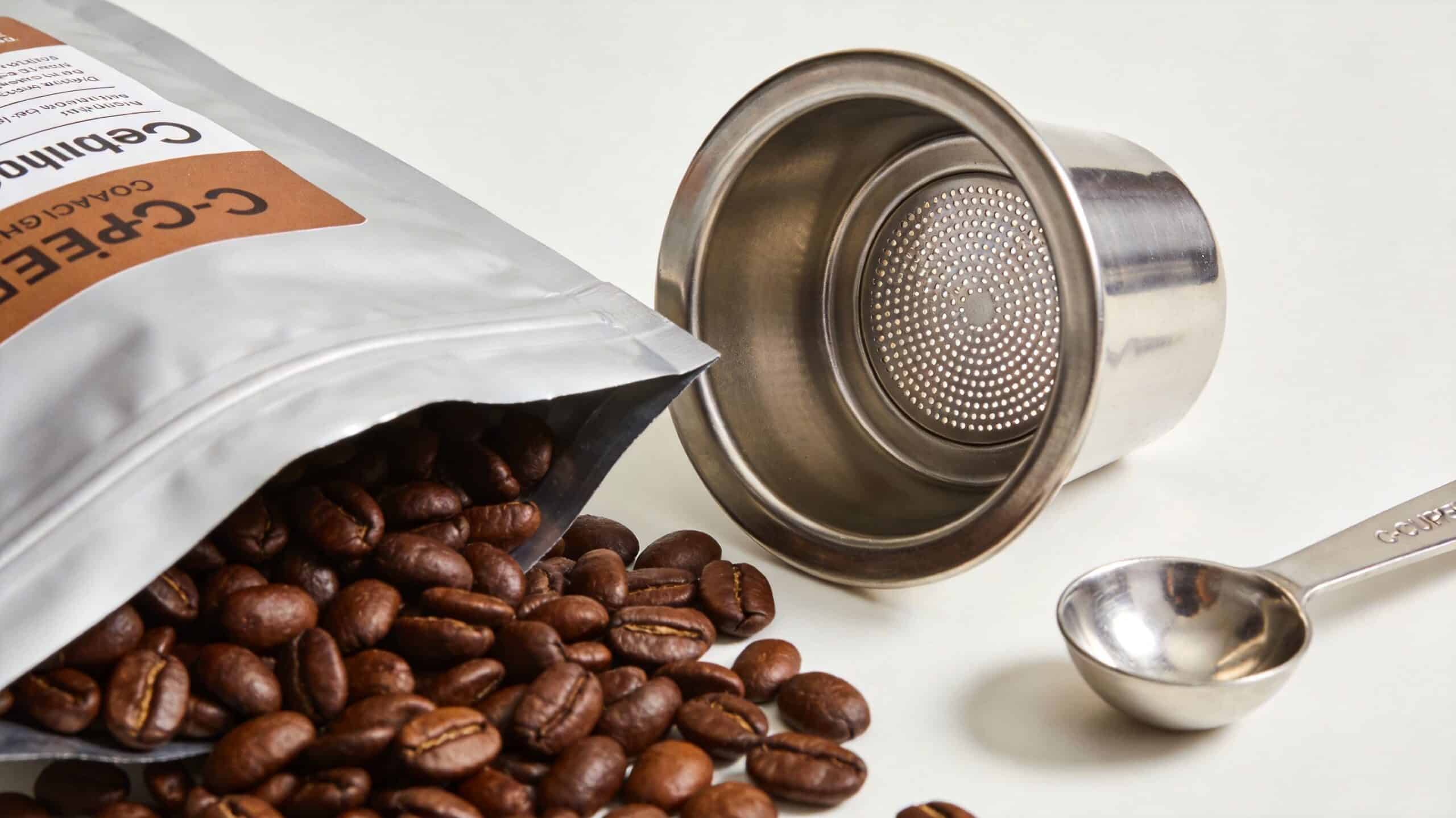
That's a smart instinct. A good reusable pod keeps the speed and footprint of a single-serve system but hands control back to the user. You choose the beans, the roast, the grind, and how much coffee goes into the basket. If you've ever felt trapped between pod quality and K-Cup convenience, this is the middle path that is effective.
What reusable pods fix
Disposable formats lock you into someone else's coffee, someone else's portioning, and someone else's packaging. Reusables fix all three.
They're especially useful for people who already buy ground coffee they like, or who want to use fresher beans without giving up single-cup convenience. In daily use, the biggest benefits are straightforward:
- Better control: You can adjust strength by changing the dose or coffee choice.
- Lower waste: You stop tossing a capsule after every brew.
- More flexibility: One machine can brew whatever ground coffee you prefer.
That's why reusable pods tend to stick once people get the routine down. The setup takes a little more attention than dropping in a disposable capsule, but the payback shows up every morning after that.
The objections people usually have
The common pushback is predictable. Reusables are messy. They leak. They don't fit right. They work on one machine but not another. Those concerns are valid because many generic reusable pods are built loosely and sold with vague compatibility claims.
Here, design matters more than marketing copy.
Recent firmware updates in post-2025 Keurig models, including 2.0+ and K-Supreme systems, can reject up to 40% of third-party reusable pods that don't work properly with MultiStream technology. The same source notes that Ninja DualBrew machines require specific pod heights to operate correctly, and some reusable designs miss that target, according to Mississippi Mud Coffee's compatibility discussion.
That's the part most broad “pod vs k cup” guides miss. Reusable brewing isn't one category. Fit, lid geometry, and machine recognition make or break the experience.
What actually works for Keurig and Ninja owners
If you own a newer Keurig or a Ninja DualBrew, buy for compatibility first and material second. Stainless steel mesh is useful, but it won't save a bad fit. A reusable pod needs to seat properly, close properly, and allow the machine to run the brew cycle the way it expects.
One option in this category is a reusable pod designed specifically for Keurig MultiStream machines and Ninja height requirements, such as the models discussed in this guide to the best reusable K-Cup for Keurig. That kind of machine-specific approach matters more than generic claims like “fits most brewers.”
Buy a reusable pod the same way you buy a gasket or water filter. Small fit errors create big daily annoyances.
Cleanup is the other concern. In practice, it's manageable if you don't overpack the basket and you empty the grounds promptly. Paper liners can help if you want a quicker cleanup routine, and regular descaling matters because any single-serve machine tastes worse when mineral buildup starts affecting flow and temperature.
Final Verdict Which Should You Choose
If you want the shortest answer, here it is. Disposable K-Cups win on pure convenience. Coffee pods win on brew character and lower-waste disposable use. Reusable K-Cups make the most sense for many Keurig and Ninja owners over the long run.
Choose based on how you actually brew
Stick with disposable K-Cups if your top priority is speed, broad flavor selection, and zero cleanup. They're still the easiest system for shared households and offices where different people want different drinks.
Choose coffee pods if you already own a compatible pod brewer and care most about a cleaner, more aromatic cup. That format makes the strongest case for users who rank flavor and compostability above retail availability.
For most existing Keurig and Ninja owners, though, a well-fitted reusable pod is the most balanced solution. You keep the machine you already paid for, use the coffee you want to drink, and stop tying every cup to a throwaway container.
The long-term ownership view
The smart move usually isn't replacing your brewer. It's improving what you put into it and how you maintain it. A reusable pod, paired with routine cleaning and a descaling solution, gives you better odds of consistent flavor and fewer headaches over time. If your machine has a carafe side, a gold-tone basket can also simplify the switch between single cup and batch brewing.
That combination does something disposable formats rarely do. It makes the machine feel more useful as it ages instead of more restrictive.
If you're ready to get more out of your brewer without feeding it endless disposables, a machine-specific reusable pod is the right next purchase.
Frequently Asked Questions
Can I use a coffee pod in a Keurig machine
Not directly in the standard way. A soft coffee pod and a rigid K-Cup are different formats, and Keurig brewers are designed around the puncture-and-flow pattern of the K-Cup system. Some adapters and workarounds exist, but they're usually more trouble than they're worth for daily use.
If you own a Keurig and prefer pod-style flexibility, a reusable K-Cup is usually the cleaner answer.
Are reusable K-Cups hard to clean
Not usually. The easiest routine is to empty the grounds right after brewing, rinse the pod before residue dries, and let it air dry. If you want less mess, paper liners can make cleanup faster and keep fine grounds from sticking to the mesh.
A neglected reusable pod gets annoying. A rinsed reusable pod is easy to live with.
Will a third-party reusable pod void my Keurig warranty
Warranty questions depend on the specific terms from the manufacturer, so check your paperwork before buying accessories. In general, a company can't automatically deny coverage because you used a third-party accessory unless it can tie the problem to that accessory. If you run a shared kitchen, office coffee corner, or vending-style setup, broader vending industry insights can help you think through maintenance, accessory fit, and how small equipment choices affect day-to-day reliability.
Why does my reusable pod leak or brew weak coffee
Usually one of three things caused it. The pod doesn't fit your brewer correctly, you overfilled it, or your grind is off for the machine. Weak brews often come from filling too lightly or choosing too large a cup size for the amount of coffee inside.
Start with fit, then adjust dose, then adjust grind. That order saves time.
If you want a lower-waste, lower-hassle way to improve your daily coffee routine, shop reusable pods, filters, liners, and maintenance supplies from PureHQ Inc..

