
Coffee Machine Care
Product Authenticity: Spot Fake Coffee Accessories
May
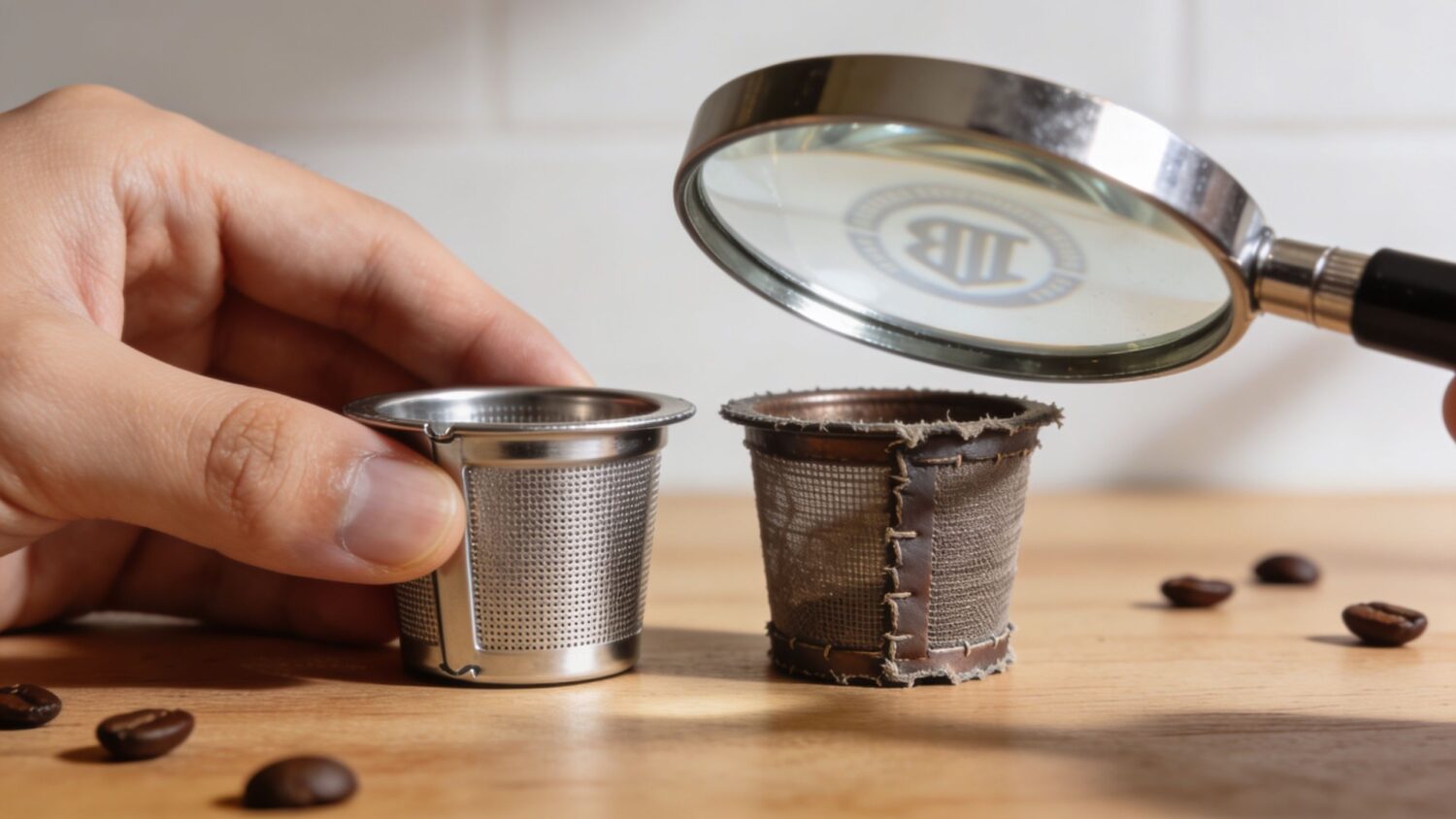
Buying a coffee accessory online shouldn't feel like a gamble. But for reusable K-Cups, water filters, and descalers, that's often exactly what it feels like. The listing photos look similar, the titles all promise compatibility, and the price gap makes the cheapest option tempting.
That's why product authenticity matters so much in this category. According to Emplifi's 2026 findings summarized by eMarketer, 52% of consumers would stop buying from a brand after an inauthentic experience, and 79% read three or more reviews before making a purchase. Coffee accessories may look simple, but a bad pod fit, weak filter media, or poorly made seal can lead to leaks, bad taste, and real frustration fast.
The Hidden Risk in Your Online Shopping Cart
Amazon creates a specific kind of buying risk for coffee accessories. You get dozens of near-identical listings, recycled product photos, and seller names you have never seen before. On the screen, a reusable pod or filter can look interchangeable. In your machine, small differences show up fast.
I see this problem most with third-party accessories that promise broad compatibility. The listing says the pod fits your brewer, the photos look close enough, and the price is low enough to feel low-risk. Then it arrives with a rough rim, thin mesh, or a lid that does not close with consistent pressure. That is when “compatible” turns into coffee grounds in the cup, a leak around the pod chamber, or a brewer that suddenly needs extra cleanup every morning.
Coffee accessories sit in an awkward middle ground. They are inexpensive enough that many shoppers skip verification. They are also close enough to the brewing process that a small manufacturing miss can affect fit, taste, and machine behavior.
A poor accessory can cause problems in a few different ways:
- Bad fit inside the brewer, which prevents a clean seal or proper puncture alignment
- Weak materials, which can warp, crack, or loosen after repeated hot-water cycles
- Inconsistent filtration or flow, which changes extraction and leaves the cup tasting off
- Misleading listing details, which hide the gap between the product shown and the product shipped
Material choice matters here too. Shoppers comparing metal and plastic pods should look past the headline claim and check how the part is built, how it seals, and how it holds up under heat. This guide on stainless steel vs plastic reusable K-Cups and which is safer covers the trade-offs well.
Practical rule: If an accessory has to handle heat, pressure, water flow, and repeated use, product authenticity is really a product-spec problem.
That is why serious sellers document specifics instead of hiding behind generic compatibility language. The same discipline behind achieving regulatory compliance for product specs matters here. Clear dimensions, controlled materials, and traceable manufacturing details give buyers something concrete to verify before they trust an Amazon listing.
Why Product Authenticity Is Non-Negotiable
The biggest mistake shoppers make is treating authenticity like a luxury concern. In coffee accessories, it's a function and safety concern first.
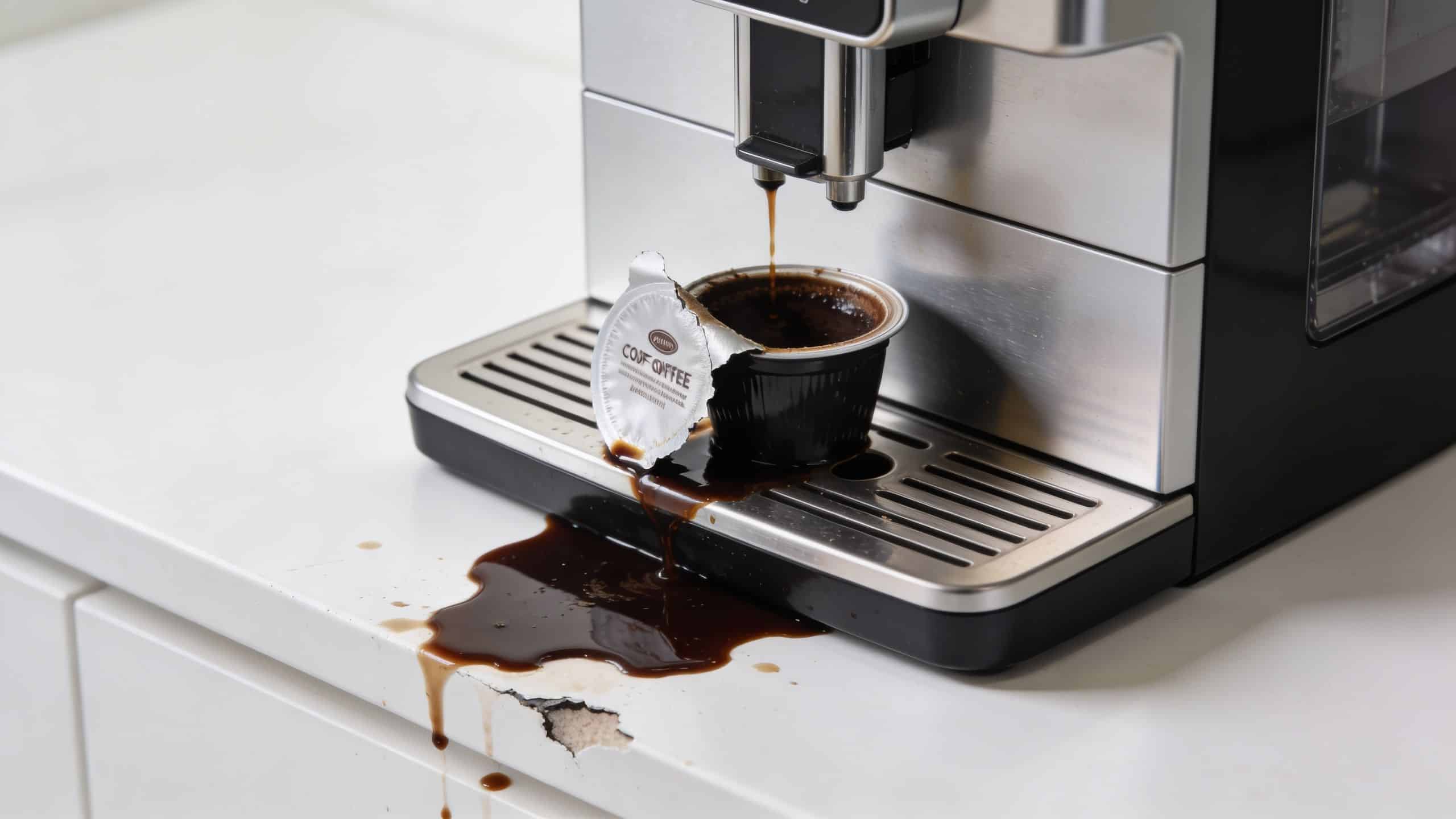
If a reusable pod doesn't fit correctly, the machine doesn't care that the listing said “compatible.” It responds to the physical part in front of it. If that part is slightly off, you can get leaks, poor puncture alignment, weak extraction, or a pod that's hard to remove after brewing. If a filter uses low-grade media, you may not notice right away, but you'll taste the difference over time.
Trust now outweighs clever marketing
Buyers have become much less willing to take a brand at its word. According to a 2026 Gitnux market analysis summarized here, 81% of consumers need to trust a brand before they'll buy, and 90% of millennials consider authenticity essential. That tracks with what happens in this category every day. People don't just want a pod that “should work.” They want one that works repeatedly without babysitting it.
For coffee accessories, trust usually comes from specific signals:
- Clear compatibility details instead of vague “fits most” language
- Real-use reviews that mention the machine model and brewing results
- Material clarity so you know what touches hot water and coffee
- Consistent product photos that show the actual item from multiple angles
Cheap failures rarely stay cheap
A bargain reusable pod stops being a bargain when it leaks twice, clogs once, and gets thrown out a month later. The same goes for filters that don't improve taste or parts that need replacing sooner than expected.
That's also why material choices matter. If you're weighing steel versus plastic for reusable pods, this guide on which reusable K-Cup material is safer is worth reading because it focuses on the actual trade-offs buyers care about: cleaning, heat exposure, durability, and day-to-day use.
When a coffee accessory fails, the problem usually shows up in one of three places first: the cup, the countertop, or the machine.
Authenticity matters to responsible brands too. If a brand allows sloppy manufacturing, unclear seller channels, or inconsistent listings, customers pay the price first. Then the brand loses trust right after. In a category built around repeat use, that's hard to recover from.
Your 5-Point Authenticity Verification Checklist
You don't need a lab to spot a suspicious accessory. You need a repeatable process. The best buyers check the listing before purchase and inspect the product again when it arrives.
Start with what you can verify before checkout
Study the packaging photos
Clean printing, readable labeling, and consistent branding don't prove authenticity on their own, but sloppy packaging often signals sloppy production. If the listing avoids showing the box, inserts, or close-up details, that's worth noting.
Check codes and product identifiers
If the product includes a batch code, QR code, or item number, make sure it's presented consistently across the listing and packaging. Missing or mismatched identifiers make returns and support harder, even if the product technically works.
Vet the seller, not just the product
Many shoppers look at the star rating first. I'd look at seller identity before anything else. Brand storefront presence, consistent product naming, and support responsiveness matter more than a polished title.
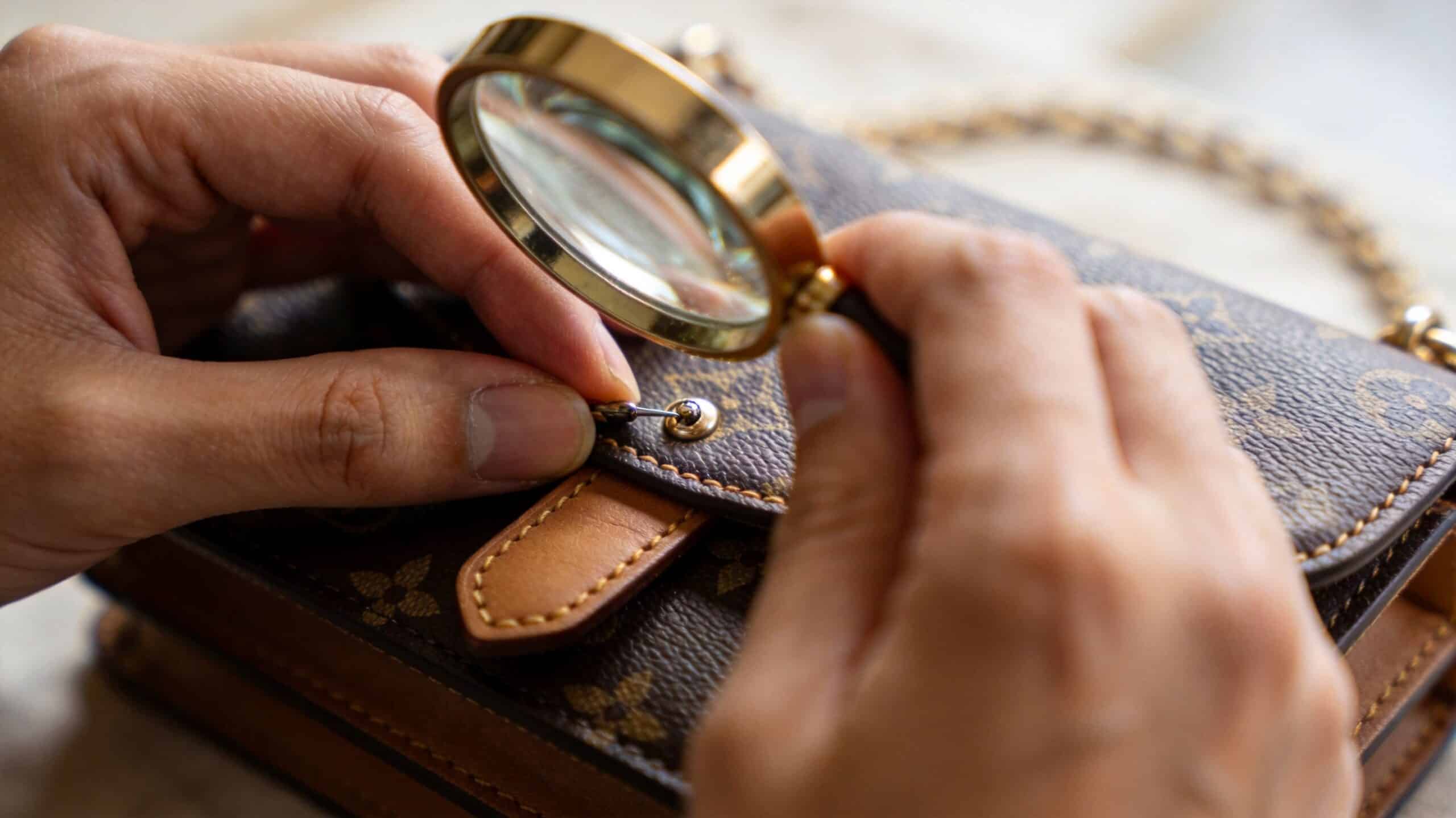
Inspect the part itself like a tool, not a trinket
Product authenticity becomes practical in this context. Tiny differences matter in brewing systems.
According to De'Longhi's counterfeit identification guidance, fake accessories often deviate by 0.5 to 2 mm from official specifications, which can cause leaks and pressure issues. The same guidance notes that counterfeit water filters often use activated charcoal with 30% to 40% lower adsorption capacity, which reduces chlorine removal and hurts taste.
For coffee accessories, check these points as soon as the product is in hand:
Feel the material
Thin, brittle plastic, rough seams, and sharp edges are warning signs. A reusable pod should feel deliberate, not flimsy.Test the fit dry first
Place the pod or filter into the machine without brewing. It should seat cleanly, close normally, and remove without force.Inspect the seal area
The rim, hinge, and mesh junction are common failure points. If those areas look uneven, brewing will expose it.Look for odd odors
A strong chemical smell from a part that will contact hot water is a bad sign.
Field test: If the product only works when you adjust it, press harder, or fiddle with the lid, it doesn't fit as well as it should.
The logic isn't unique to coffee gear. The same inspection mindset applies in other categories where tiny material or finishing differences reveal quality fast. For a good example, these reliable ways to check jewelry quality show how experienced buyers use small physical cues to separate real quality from surface-level appearance.
Finish with one controlled brew
Run a simple test brew with familiar coffee. Watch for leaking, weak flow, unusual noise, or extra sediment in the cup. If the accessory changes too many variables at once, don't keep troubleshooting around it. Return it.
The Real Cost of a Bargain Coffee Pod
The strongest objection to buying a better accessory is predictable. “Why pay more when the cheap one looks the same?”
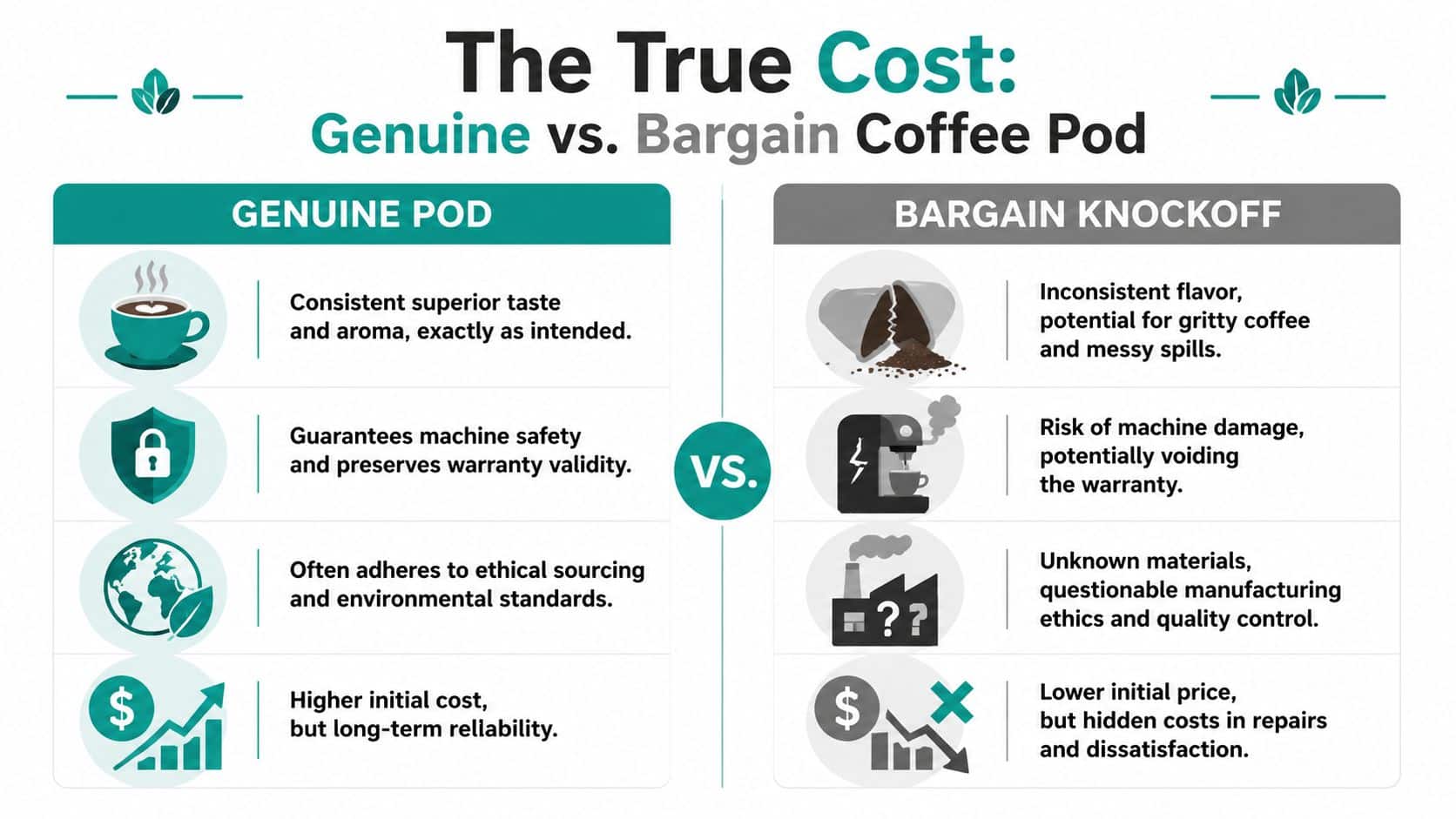
Because with reusable pods and filters, “looks the same” doesn't mean “works the same.” A bargain part only saves money if it fits properly, brews consistently, holds up to repeated cleaning, and doesn't create side problems.
Where the cheap option usually falls apart
The first issue is usually fit. The second is durability. The third is taste. Some shoppers will tolerate one of those problems for a lower upfront price. Very few will tolerate all three for long.
If you're comparing pod styles and compatibility options, this overview of reusable K-Cups for Keurig is useful because it focuses on actual use cases instead of generic feature lists.
PureHQ Genuine vs. Generic Counterfeit A Head-to-Head Comparison
| Feature | Genuine PureHQ Accessory | Generic / Counterfeit Alternative |
|---|---|---|
| Material safety | Uses clearly specified materials intended for repeated brewing contact | Material details are often vague or missing |
| Fit and compatibility | Designed around model-specific compatibility and consistent sealing | “Compatible” claims may be broad, with inconsistent fit across machines |
| Durability | Built for repeated use and cleaning with tighter quality control | Hinges, rims, and mesh often wear out sooner or fail unpredictably |
| Brew performance | More consistent flow, extraction, and cleanup | Greater risk of weak coffee, sediment, overflow, or uneven brewing |
| Filter effectiveness | Better confidence in media quality and taste improvement | Lower-quality filter media can reduce chlorine removal and flavor quality |
| Support | Clearer path for returns, warranty questions, and replacements | Seller support may be limited or disappear after purchase |
The objection about price
A cheaper pod can still be the right buy if it performs well and lasts. The problem is that buyers usually don't know that before the first few brews. That uncertainty is the hidden cost.
Here's the trade-off in plain terms:
- Lower upfront price can make sense for a low-risk item
- Higher reliability matters more for a part that sits inside your brewer
- Cleaner brewing saves time every morning
- Predictable lifespan reduces replacement churn
A reusable pod is a small product with outsized consequences. When it fails, it interrupts a daily habit people don't want to troubleshoot before work.
The same logic applies beyond pods. If you're already replacing a questionable filter or accessory, it often makes sense to review your maintenance items too. Fresh filters and a dependable descaler usually do more for cup quality than people expect, especially when a machine has slowly drifted into inconsistent brewing.
The PureHQ Promise of Authenticity
Shoppers don't usually worry about authenticity because they love product theory. They worry because they've been burned before. They bought the “compatible” part, opened the box, and immediately knew something was off.
A small brand earns trust by reducing those moments, not by talking louder about quality. That starts with control. It means keeping a close eye on manufacturing, choosing materials carefully, and refusing to treat compatibility language like marketing filler.
What a careful brand actually does
In this category, responsible product work looks boring in the best way. Teams review fit. They compare production runs. They reject parts with inconsistent finishing. They make sure a reusable pod made for one Keurig family doesn't get lazily labeled for every brewer under the sun.
That discipline also shows up in adjacent items. A descaling solution needs clear usage guidance. A water filter needs consistent dimensions and dependable media. A mesh pod needs to clean easily and hold up to repeated use.
Why small-brand discipline matters
Large marketplaces reward volume and speed. Customers, on the other hand, reward consistency. Those two things don't always push in the same direction.
A customer-focused brand usually does a few things better:
- Keeps the assortment tighter so compatibility claims stay credible
- Answers support questions directly instead of hiding behind generic listings
- Updates product pages when confusion appears in reviews or support tickets
- Builds around repeat use because the goal is a product that works next month, not just on delivery day
Good authenticity practices aren't glamorous. They show up in the pod that fits correctly, the filter that doesn't wobble, and the support reply that tells you plainly whether your machine model is compatible.
That's the standard buyers should expect from any coffee accessory brand. Not polished promises. Clean fit, clear details, and reliable follow-through.
How to Shop Safely for Accessories on Amazon
Amazon is convenient, but it makes authenticity checks harder. Two listings can use similar titles, similar photos, and similar compatibility claims while delivering very different products.
A major problem is visual ambiguity. HSBC's research transcript notes that poor product photography with bad lighting and limited angles can make premium accessories look like cheap knockoffs, which makes authenticity harder to judge from the listing alone.
Read the listing like a skeptical buyer
Start with the seller details, not the headline. Check who sold the item and where it ships from. A brand's official buying guidance matters here, and the easiest way to confirm authorized channels is to use a page like where to buy authentic products.
Then inspect the listing itself:
- Look for multiple angles so you can evaluate rim shape, mesh, hinge, and finish
- Read critical reviews first because they usually reveal fit or leak patterns faster
- Check model references in reviews from people using the same brewer you own
- Be careful with vague compatibility language that tries to cover too many machines at once
What good reviews actually tell you
Helpful reviews mention specifics. They name the machine model. They describe whether the pod sealed correctly. They say whether cleanup was easy or annoying. They don't just say “great quality.”
A trustworthy review section usually has a mix of reactions and enough detail to help you predict your own experience. If all the praise sounds generic, keep looking.
Before you escalate a counterfeit issue with Amazon or a marketplace seller, it can help to understand the broader legal steps for Amazon counterfeit issues, especially if a seller misrepresents what was delivered.
After you've reviewed the listing signals, it helps to watch a quick product walkthrough and compare what you see with the written claims.
Don't ignore maintenance while you shop
Many buyers focus so heavily on the pod that they forget the rest of the brewing system. If your machine has scale buildup or an overdue filter change, even an authentic accessory won't deliver its best performance. Pair reusable pods with fresh filters and a solid descaling routine so you're evaluating the product fairly.
Your Authenticity Questions Answered
A few questions come up after people start taking product authenticity seriously. Most of them boil down to this: what should I do if something seems off?
What if I suspect I received a counterfeit item
Stop using it if the fit seems wrong, the material smells unusual, or the product causes leaking on the first brew. Keep the packaging, save screenshots of the listing, and document the specific problem with clear photos.
Then contact the seller or platform through the official order channel. Be direct. State what machine you own, what item you received, and what failed. If the issue is poor fit, say that. If the problem is taste, leakage, or visible finishing defects, include that too.
If a product only becomes “acceptable” after repeated adjustments, it's usually not the right product for your machine.
Does warranty support matter for small accessories
Yes, because warranty support tells you how seriously a brand takes repeat performance. A good warranty or return policy won't make a bad pod brew better, but it does reduce your downside if the product arrives defective or clearly mismatched.
Before buying, check three things:
- Whether the seller explains the return path clearly
- Whether compatibility help is available before purchase
- Whether support is handled by the brand, the marketplace, or both
Are Amazon returns and direct-site returns the same
Usually not. Marketplace returns often follow platform rules first. Direct-site returns usually follow the brand's own support process. Neither is automatically better, but you should know which system you're buying into before placing the order.
If fast replacement matters most, direct purchase can be simpler. If bundled shipping or marketplace convenience matters more, Amazon may still be fine, provided you verify the seller carefully.
What's the safest buying habit going forward
Choose the accessory the same way you'd choose any part that interacts with heat, water, and a machine you use often. Verify compatibility. Read detailed reviews. Check seller identity. Inspect the item as soon as it arrives. If something feels off, trust that instinct early and return it before it turns into a bigger headache.
Product authenticity isn't about chasing premium labels. It's about getting a coffee accessory that fits correctly, brews cleanly, and doesn't leave you cleaning up a mess before your first cup.
If you want coffee accessories with a clearer path to trust, shop PureHQ Inc. for reusable K-Cups, filters, descalers, and maintenance essentials built for dependable fit, cleaner brewing, and straightforward support.

