
Coffee Machine Care
Vanilla Latte K Cups: A Guide to Cafe-Quality at Home
Apr
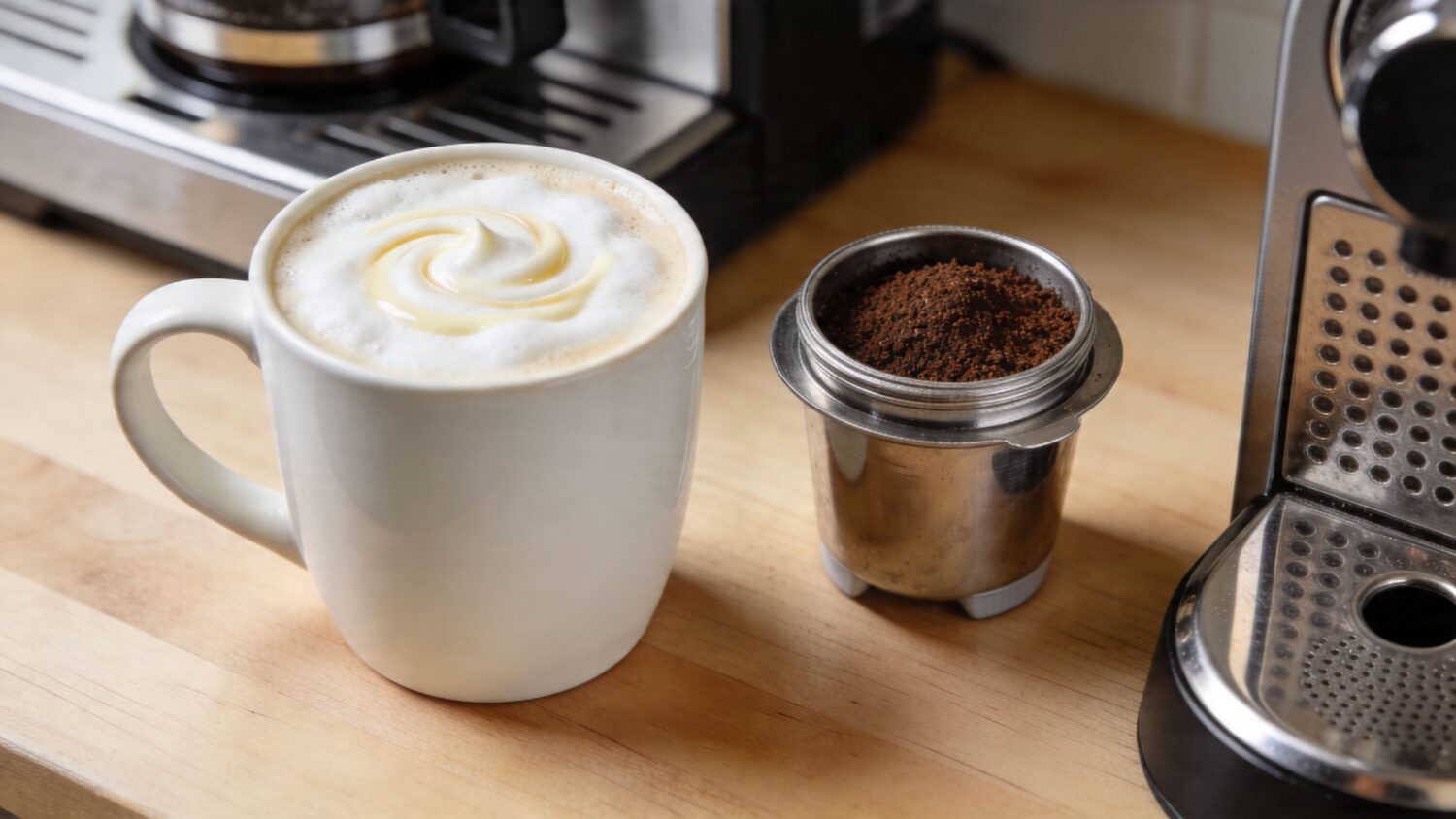
You bought the Keurig for fast mornings, not for disappointment. Yet a lot of vanilla latte k cups land in the same place: thin body, fake sweetness, a stale vanilla finish, and a pile of used pods by the trash can.
That frustration makes sense. A latte is harder to fake than plain coffee. You need concentration, texture, sweetness, and aroma to hit at the same time. Miss one, and the whole drink feels cheap.
The good news is that the fix usually isn't buying more disposable pods and hoping the next box tastes better. The fix is understanding what those pods are doing, then using a reusable pod and a better brewing method to make the cup taste like something you'd want to drink again tomorrow.
The End of Weak, Watery Homemade Lattes
You press brew, hear the machine spin up, and expect a café-style vanilla latte. What lands in the mug is often sweet but flat, creamy but oddly thin, and somehow both weak and sugary at the same time.
That pattern is common with vanilla latte k cups because they ask one tiny pod to do too much. It has to carry coffee, milk-like texture, vanilla flavor, and sweetness, then survive storage and heat without separating. Convenience wins. Flavor usually gives up ground.
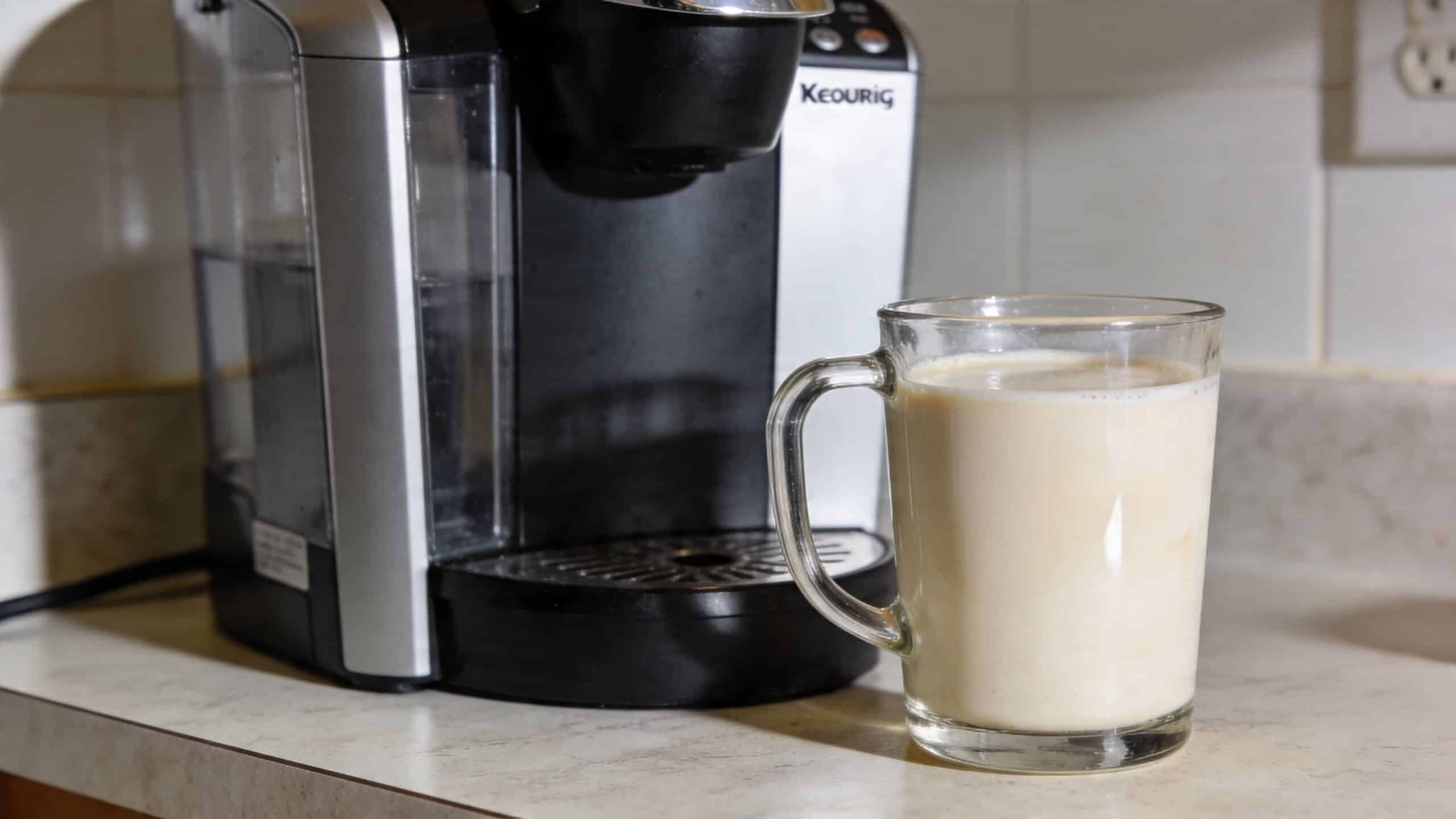
Why the result disappoints
The machine is often blamed first. Sometimes the machine is part of it, but the bigger issue is the format.
A real latte gets depth from concentrated coffee and fresh milk texture. A one-step pod tries to mimic that with shelf-stable ingredients. That shortcut can work well enough for a fast office drink, but it rarely gives the dense, rounded profile people want at home.
A few reader frustrations come up again and again:
- The cup tastes watered down when the brew size is too large for the pod.
- The vanilla tastes chemical because the flavoring dominates the coffee instead of supporting it.
- The finish feels chalky or oily when powdered creamer and stabilizers leave residue.
- The habit gets expensive fast because every latte depends on another single-use pod.
You don't need a better marketing promise. You need better control over coffee strength, milk, and vanilla.
The better path
The fastest route to a better vanilla latte isn't chasing the "best" disposable pod. It's separating the drink into parts you can control.
Use a reusable pod for the coffee base. Add vanilla and milk on purpose. Brew smaller. Froth after, not before. Clean the machine regularly so old oils don't ruin the next cup.
That approach fixes the three biggest complaints at once. Taste gets stronger, waste drops, and you stop paying premium prices for filler ingredients you didn't choose.
What Is Actually Inside a Vanilla Latte K-Cup
A one-step vanilla latte pod sounds simple. It isn't.
Take The Original Donut Shop One Step Vanilla Latte K-Cup. Its product details show that it uses soluble Colombian coffee, real dairy creamer with coconut oil, stabilizers including dipotassium phosphate, and 11g of sugar per 10 oz brew. The same listing also notes that these ingredients are formulated to hold together under the Keurig brewing temperature, but the coconut oil residue can speed machine buildup compared with black coffee, according to the FoodsCo product listing for The Original Donut Shop One Step Vanilla Latte K-Cup pods.
Why pods taste the way they do
That ingredient list explains a lot.
Soluble coffee brews fast and consistently, but it doesn't behave like fresh ground coffee under pressure. It dissolves, delivers its flavor quickly, and can come across as flatter than a cup built from freshly brewed grounds.
Creamer systems do the heavy lifting for body. Coconut oil adds richness. Milk solids help with a latte-like profile. Stabilizers keep everything from separating when hot water hits the pod.
Sugar and vanilla flavoring make the drink feel more complete, but they can also cover weak coffee. When the base coffee isn't strong enough, sweetness and vanilla sit on top instead of blending in.
The trade-off nobody mentions
Shelf stability helps manufacturers. It doesn't always help your cup.
A disposable vanilla latte pod has to survive storage, shipping, and inconsistent brewing habits. That means the formula leans toward ingredients that stay stable rather than ingredients that taste fresh. You get predictability, but not much room for nuance.
That's why some cups have the same familiar issues:
| Component | What it helps with | What can go wrong |
|---|---|---|
| Soluble coffee | Fast brewing and easy mixing | Can taste flat or hollow |
| Powdered creamer and oils | Body and sweetness perception | Can leave oily residue |
| Stabilizers | Prevents separation in hot water | Can dull the clean finish |
| Vanilla flavoring | Delivers quick aroma | Can dominate the cup |
Practical rule: If a vanilla latte pod tastes sweeter than it tastes like coffee, the formula is doing more work than the roast.
Why this matters to your machine too
Latte-style pods are harder on brewers than plain black coffee. Sugars, creamers, and oils leave more behind. If your machine starts brewing slower, tasting stale, or dripping unevenly after a run of flavored pods, that isn't your imagination.
This is one reason many experienced Keurig users eventually move to reusable pods. Fresh grounds give you a cleaner coffee base, and you can add the vanilla and milk yourself instead of forcing everything through a sealed dessert pod.
Brewing for Flavor Not Just Convenience
Most weak vanilla latte k cups aren't ruined by the pod alone. They're ruined by the brew size.
If the pod is designed for a fuller drink and you run too much water through it, you strip away intensity. If you brew too little, you can push the drink toward bitterness or an overly syrupy finish. The machine setting matters more than is often realized.
Start with the size that fits the drink
For latte-style pods, the common mistake is choosing the biggest cup size because it feels like a better value. It isn't.
The detailed product information for The Original Donut Shop One Step Vanilla Latte notes that the pod is intended for a 10 oz brew, and that moving to 8 oz intensifies flavor by 25% because the solute-to-water ratio is higher. That same description warns that a smaller setting can also increase bitterness from longer saturation of the pod contents. In practice, that means the sweeter pod drink gets punchier at 8 oz, but it can also become less balanced.
Generally, this works best:
- Use 10 oz first if you're testing a new disposable vanilla latte pod.
- Drop to 8 oz only if the drink tastes weak.
- Avoid oversized settings for latte pods unless you plan to add milk and ice after brewing.
Keurig settings that usually work
Keurig brewers reward restraint. A smaller, hotter, more concentrated cup almost always makes a better latte base than a large one.
For Keurig owners, the simple approach is:
- Fill the reservoir with fresh water.
- Warm the mug first if your cups tend to come out lukewarm.
- Brew the pod on the lower end of its intended size.
- If your machine has a Strong option, use it for regular coffee in reusable pods, not blindly for every sweet latte pod.
- Add hot frothed milk after brewing instead of diluting the pod with extra water.
If you're trying to build a better milk drink from regular grounds, this guide on latte pods for Keurig is useful because it frames the bigger issue correctly. The base needs to taste like coffee before you add anything creamy.
Ninja DualBrew owners need one adjustment
Ninja DualBrew machines can produce a solid cup, but they punish overfilling and poor grind choice faster than many Keurig models do.
If you're using a pod side for disposable vanilla latte pods, stick close to the smaller recommended volume. If you're using a reusable pod adapter with ground coffee, go with a medium to medium-fine grind and avoid packing the pod tight. Water needs room to move through the bed evenly.
A quick way to troubleshoot a bad cup
Use this tasting check after one sip:
- Thin and sweet means reduce water next time.
- Harsh and muddy means you've gone too small, ground too fine, or packed too tight.
- Aromatic but weak means the vanilla is stronger than the coffee base.
- Pleasant but flat means the machine likely needs cleaning or the water quality is holding the cup back.
Brew for concentration first. A latte can always be softened with milk. A weak coffee base can't be fixed after the fact.
The Sustainable Switch to Reusable Pods
Disposable vanilla latte pods solve one problem fast. They give you a sweet coffee drink with one button. They also lock you into a routine that creates waste and limits your control over flavor.
That trade-off gets bigger when you look at how many pod brewers are already in daily use. The U.S. coffee pods and capsules market was valued at USD 9.58 billion in 2025, K-Cups held 82.63% of that market, and Keurig brewers were used by 25% of U.S. coffee drinkers, according to Grand View Research's vanilla market report section covering pod and capsule usage. That's a huge amount of single-serve brewing.
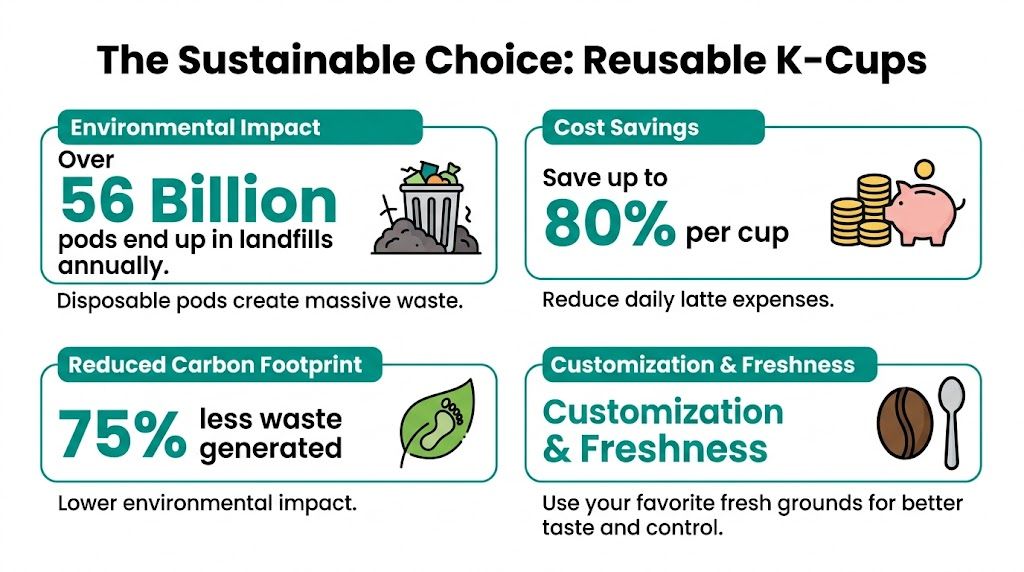
Why reusable pods change the equation
Reusable pods shift the drink from a prebuilt product to a brewing method. That matters.
You stop buying coffee, creamer, sweetener, and flavoring in a sealed bundle. Instead, you choose the coffee yourself. Then you decide whether the cup needs vanilla extract, syrup, dairy milk, oat milk, or no sweetener at all.
That solves several long-running complaints at once:
- Taste control gets better because you can strengthen the coffee base.
- Waste drops because you aren't tossing a pod every time you want a latte.
- Cleaning is simpler because plain coffee grounds leave less sticky residue than all-in-one sweet pods.
- Flexibility improves because one reusable pod can make plain coffee today and a vanilla latte tomorrow.
The objection people usually have
Individuals don't resist reusable pods because they hate the idea. They resist because they think reusable means messy, slow, or unreliable.
That can happen with low-quality pods. Poor fit causes leaks. Thin plastic warps. Fine grounds sneak into the cup. Cleanup gets annoying.
A better reusable pod system avoids most of that. Proper fit, a sensible fill level, and the right grind matter more than anything. If you want the cleanest experience, using paper liners inside a reusable pod also cuts cleanup time and helps keep fine sediment out of the mug. This practical guide to tips for the best taste and performance using reusable K-Cups in Keurig coffee makers gets the fundamentals right.
The real switch
The smartest move isn't replacing one flavored disposable pod with a weak reusable brew. It's building a better system.
Use the reusable pod for strong, clean coffee. Add your vanilla and milk separately. That gives you the drink people wanted from vanilla latte k cups in the first place, without the fixed formula and recurring trash.
Crafting a Perfect Vanilla Latte with a Reusable K-Cup
A first attempt at a reusable vanilla latte often fails for one of three reasons. The grind is wrong, the pod is overfilled, or the coffee base isn't strong enough to stand up to milk.
That's fixable. The demand is clearly there. The product-gap research in the Walmart-linked brief notes that 68% of U.S. K-Cup users want reusable options, while only a small share finds reliable recipes, and it also cites a 22% spike in searches for "reusable K-Cup vanilla latte recipe" in the last year according to Google Trends in Q2 2025, as summarized in the Walmart listing context for The Original Donut Shop Vanilla Latte K-Cups.
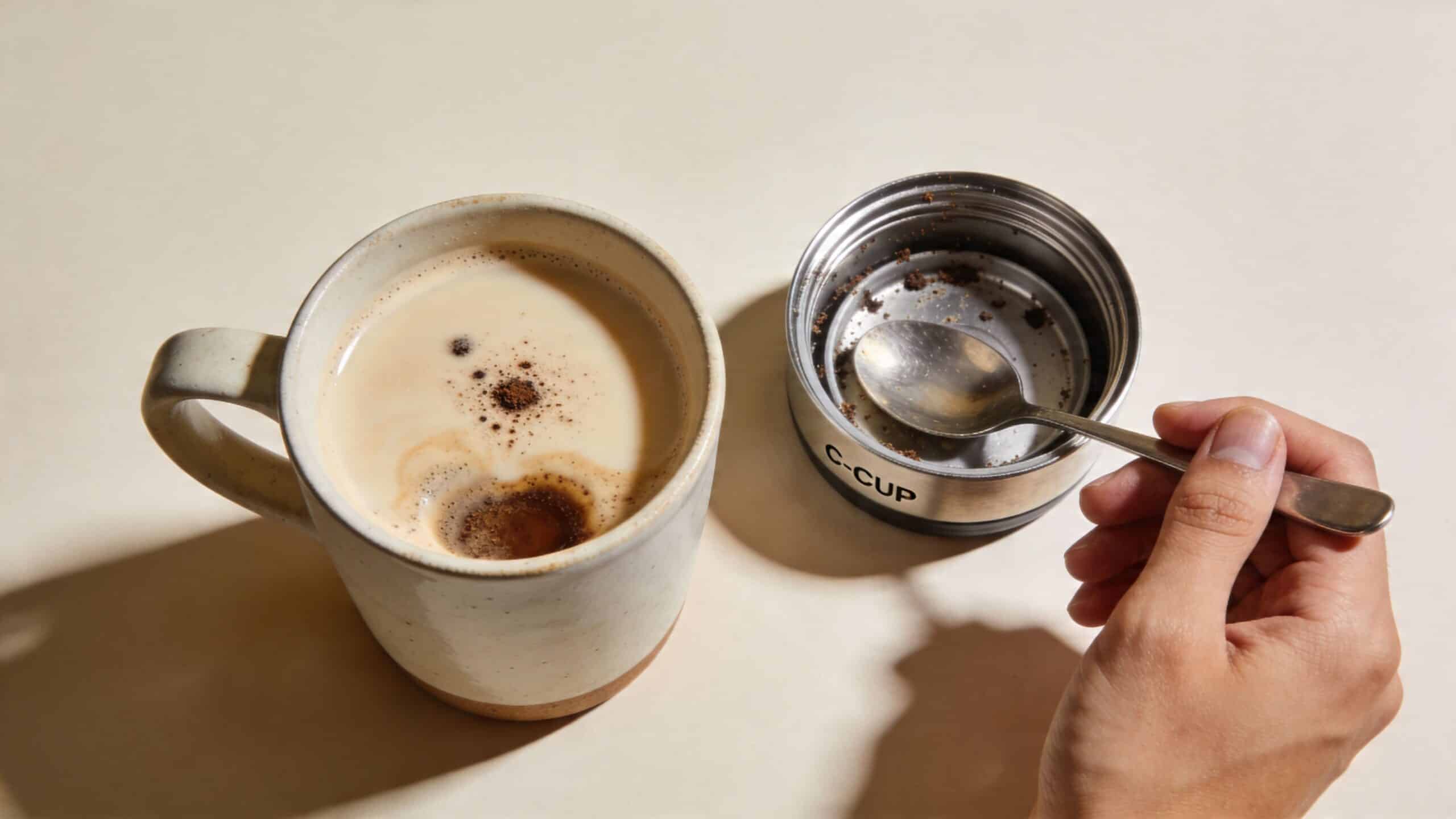
The easiest recipe that actually tastes right
Start simple. Don't try to clone a dessert pod exactly. Aim for a balanced homemade latte.
Use this baseline:
- Coffee. Medium or medium-fine grind, filled to the reusable pod's line, not packed down.
- Vanilla. Start with 1/4 teaspoon of vanilla extract in the mug or milk pitcher.
- Milk. Froth your preferred milk separately.
- Brew size. Keep the coffee portion short and concentrated.
- Sweetener. Add only if needed after tasting.
That last part matters. Disposable latte pods train people to expect sweetness before they taste coffee. Homemade brewing works better the other way around.
Fill the pod correctly
Reusable pods don't like being stuffed.
Leave headroom so water can pass through the grounds evenly. If you tamp or compress the coffee, water channels around the puck, extraction gets uneven, and your cup turns weak or muddy. That's the source of many "reusable pods don't work" complaints.
A reliable routine looks like this:
- Add ground coffee to the fill line.
- Level it with a finger or spoon.
- Do not pack it down.
- Lock the lid fully.
- Brew into a small amount of vanilla already in the mug.
- Top with frothed milk.
If your brew sputters, leaks, or runs too slowly, the pod is usually too full or the grind is too fine.
Build the drink in the right order
Order matters more than people think.
First brew the coffee concentrate. Then add milk foam. Stir gently. Taste. Only then decide whether it needs sugar or syrup. This gives you a cleaner read on whether the coffee and vanilla are balanced.
If you like café drinks beyond vanilla, it's also worth rotating in other homemade options so your machine setup earns its keep. For tea-based cravings, these delicious matcha latte recipes are a useful change of pace, especially if you already have a frother on the counter.
Common failures and the fix
| Problem | Likely cause | Fix |
|---|---|---|
| Coffee tastes weak under milk | Brew too large | Use a shorter cup size |
| Grounds in cup | Grind too fine or pod mesh too open | Go slightly coarser or use a paper liner |
| Latte tastes flat | Not enough vanilla aroma or stale coffee | Use fresher coffee and add vanilla to the hot base |
| Pod leaks | Overfilled or poor fit | Reduce fill and check compatibility |
A quick visual helps if you're new to refillable brewing:
Small upgrades that save a lot of frustration
Two accessories pull more weight than people expect.
A paper liner inside the reusable pod keeps cleanup faster and reduces stray fines. A good milk frother makes the drink feel like a latte instead of coffee with milk dumped in.
Neither is mandatory. Both make daily use easier.
Reusable Pods vs Disposable K-Cups A Clear Comparison
The biggest objection to reusable pods is usually practical. People worry about leaks, bad fit, messy cleanup, or weak coffee.
Those are fair concerns. They also depend heavily on which reusable pod you buy. A generic plastic pod and a well-made stainless steel pod are not the same tool.
Health concerns also push people to compare more closely now. Search interest for clean label coffee pods increased 35% in Q1 2026, and the same source notes that many disposable flavored pods use propylene glycol to coat beans. The ingredient is considered safe by the FDA, but some heavy coffee drinkers still prefer to control what goes into the cup by using their own grounds, as discussed in this Lose It article on artificially flavored coffee.
Comparison of Brewing Methods
| Feature | Disposable Vanilla Latte Pod | Generic Plastic Reusable Pod | PureHQ Stainless Steel Reusable Pod |
|---|---|---|---|
| Taste | Fixed flavor profile. Often sweet-first. | Depends on grind and fit. Can be inconsistent. | Better coffee-forward control when filled correctly |
| Ingredient control | Low. Formula is predetermined. | High. You choose the coffee and add-ins. | High. Same control, with more durable construction |
| Cleanup | Easy to remove, but still leaves waste | Can stain and trap oils over time | Easier to rinse clean and more durable over repeated use |
| Waste | Single-use every cup | Reusable | Reusable |
| Compatibility confidence | High if matched to machine format | Varies by brand and mold quality | Better fit expectation when bought for the correct model |
| Leak risk | Usually low if pod is intact | Higher with cheap or warped plastic | Lower when the pod is designed well and not overfilled |
| Best use | Fast convenience | Budget entry into reusable brewing | Daily use for people who care about fit and longevity |
| Vanilla latte quality | Convenient but limited | Can be excellent with the right recipe | Strongest option for repeatable homemade latte results |
The fit question
Fit matters more than material until the material starts failing.
A reusable pod that doesn't seat properly can leak, spray, or brew weak. That's why machine compatibility matters. If you own a K-Classic, K-Supreme, K-Slim, K-Duo, or a Ninja DualBrew setup, buy a pod made for that exact brewing system instead of assuming all "universal" pods behave the same.
When disposable still makes sense
Disposable vanilla latte k cups still have a place.
They're convenient for travel, guest rooms, or offices where nobody wants to froth milk or measure vanilla. But if you're drinking vanilla lattes often, reusable wins on flavor control and usually on long-term sanity too.
Choose disposable when convenience matters most. Choose reusable when you care how the drink actually tastes.
Protect Your Machine with Essential Maintenance
Flavored latte pods leave a mess your machine can taste long before you can see it. Oils, sugars, and mineral scale all collect in places you don't inspect daily. Then one morning the brewer gets slow, the cup comes out cooler, or the coffee starts tasting dull.
Many people blame the pod or the roast. Often, the machine is the actual problem.
Why vanilla latte drinks cause more trouble
Black coffee leaves behind coffee residue. Latte-style pods leave behind coffee residue plus creamy and sweet buildup.
Earlier, we covered the coconut-oil-heavy creamer system used in one common disposable vanilla latte pod. That kind of formula helps texture in the mug, but it also gives residue more chances to cling inside the machine. If you switch to reusable pods and plain ground coffee, that problem usually eases. It doesn't disappear. You still need maintenance.
What a good routine looks like
Keep it simple and consistent:
- Rinse removable parts often so old residue doesn't turn stale.
- Wipe the pod holder area if you use sweet latte pods or flavored grounds.
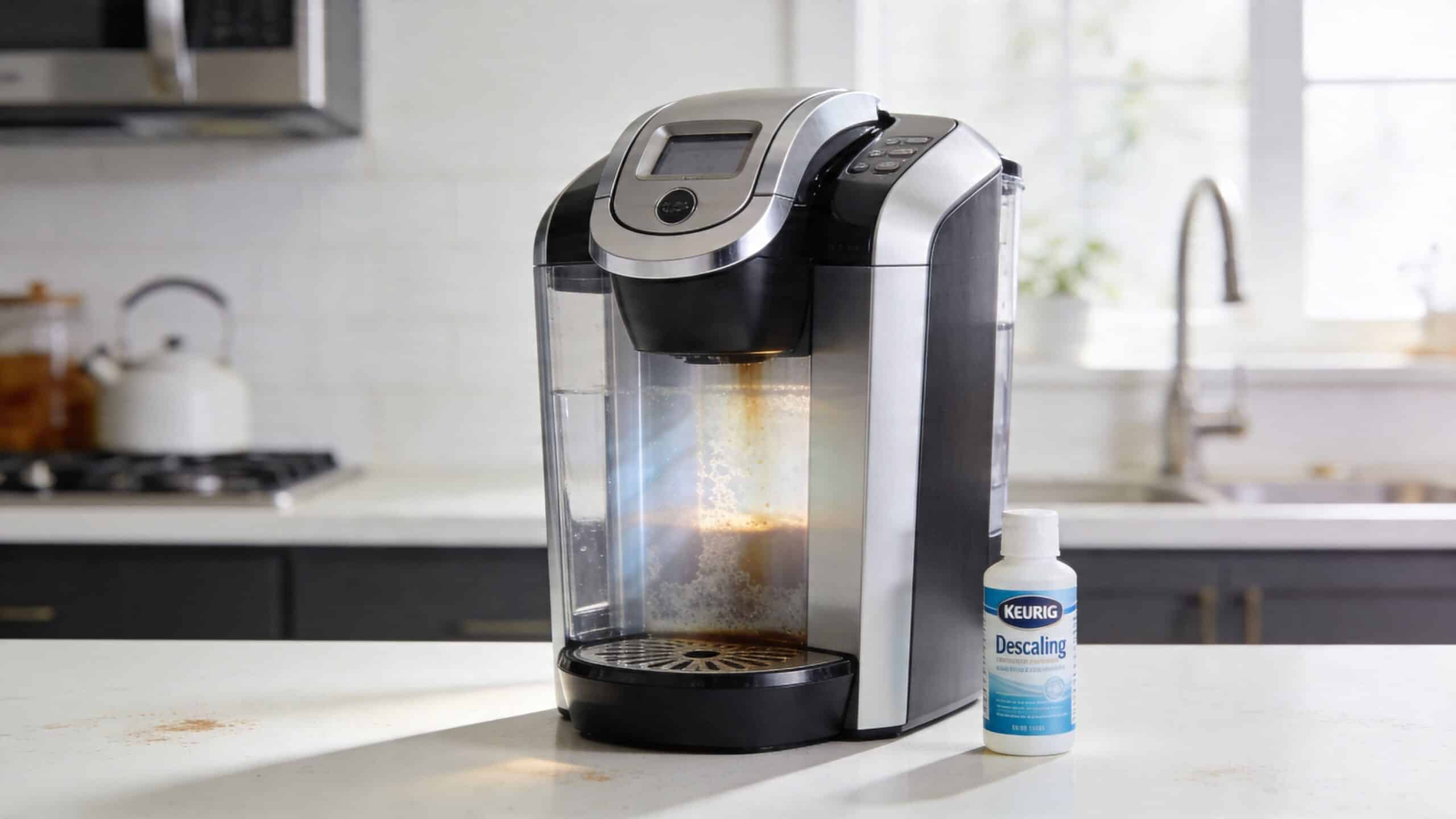
- Descale on schedule based on your machine's behavior and water hardness.
- Use filtered water if your tap water leaves heavy mineral deposits.
- Run a plain water cycle after stronger flavored drinks.
If your brewer has started acting up, this guide to Keurig coffee maker maintenance is worth a look because it focuses on the boring steps that keep the machine brewing cleanly.
Two products that earn their space
Here, accessory crossovers make sense.
A universal descaling solution helps clear mineral scale that lowers heat and flow. Cleaning tablets or cleaning pods help remove the stale oily film that can make every fresh coffee taste old.
Those aren't impulse add-ons. They're part of protecting the brewer you already paid for.
A dirty brewer can make good coffee taste cheap. Clean machines don't just last longer. They taste better.
Frequently Asked Questions for Savvy Brewers
Homemade latte drinkers usually hit the same final questions. Most of them come down to fit, flavor, and whether reusable brewing is worth the effort.
The bigger market direction supports the shift. The global café latte market was valued at USD 29.15 billion in 2024 and is projected to reach USD 51.35 billion by 2035 at a 5.28% CAGR from 2025 to 2035, according to Spherical Insights' café latte coffee market report. More people want latte-style drinks at home. Better accessories are part of how they get there.
FAQ
| Question | Answer |
|---|---|
| Do reusable K-Cups make coffee as strong as disposable pods? | They can make stronger coffee if you use the right grind, avoid overfilling, and brew a shorter cup. |
| Why does my homemade vanilla latte taste weak? | The base is usually under-extracted or over-diluted. Shorten the brew and froth milk separately. |
| Are reusable pods messy? | They can be if you use a bad grind or cheap pod. With the right fill level and a liner, cleanup is straightforward. |
| Will a reusable pod fit every Keurig? | No. Compatibility matters. Buy for your specific machine family instead of assuming a universal fit. |
| Can I use vanilla extract instead of syrup? | Yes. Start small. Too much extract can taste sharp or thin. |
| Is a stainless steel pod better than a plastic one? | Usually, yes for durability and cleaning. Fit and design still matter more than the material alone. |
| Do I still need to descale if I switch away from sweet pods? | Yes. Scale comes from water, not just coffee residue. |
| Is a disposable vanilla latte pod ever the better choice? | Yes, for speed and zero prep. It just isn't the best choice for control, waste reduction, or repeatable café-style flavor. |
The simplest decision
If you want one-button sweetness, buy the disposable pod and accept the compromise.
If you want a vanilla latte that tastes like coffee first, with better control over milk, sweetness, and cleanup, a reusable setup is the better tool. That's especially true if this is a daily habit and not an occasional shortcut.
If you're ready to stop settling for weak vanilla latte k cups, shop PureHQ Inc. for reusable K-Cups, paper liners, filters, and descaling supplies that help your brewer make cleaner, better-tasting coffee every day.

