
Coffee Machine Care
Coffee Accessory Testing Procedures: Ensure Quality & Safety
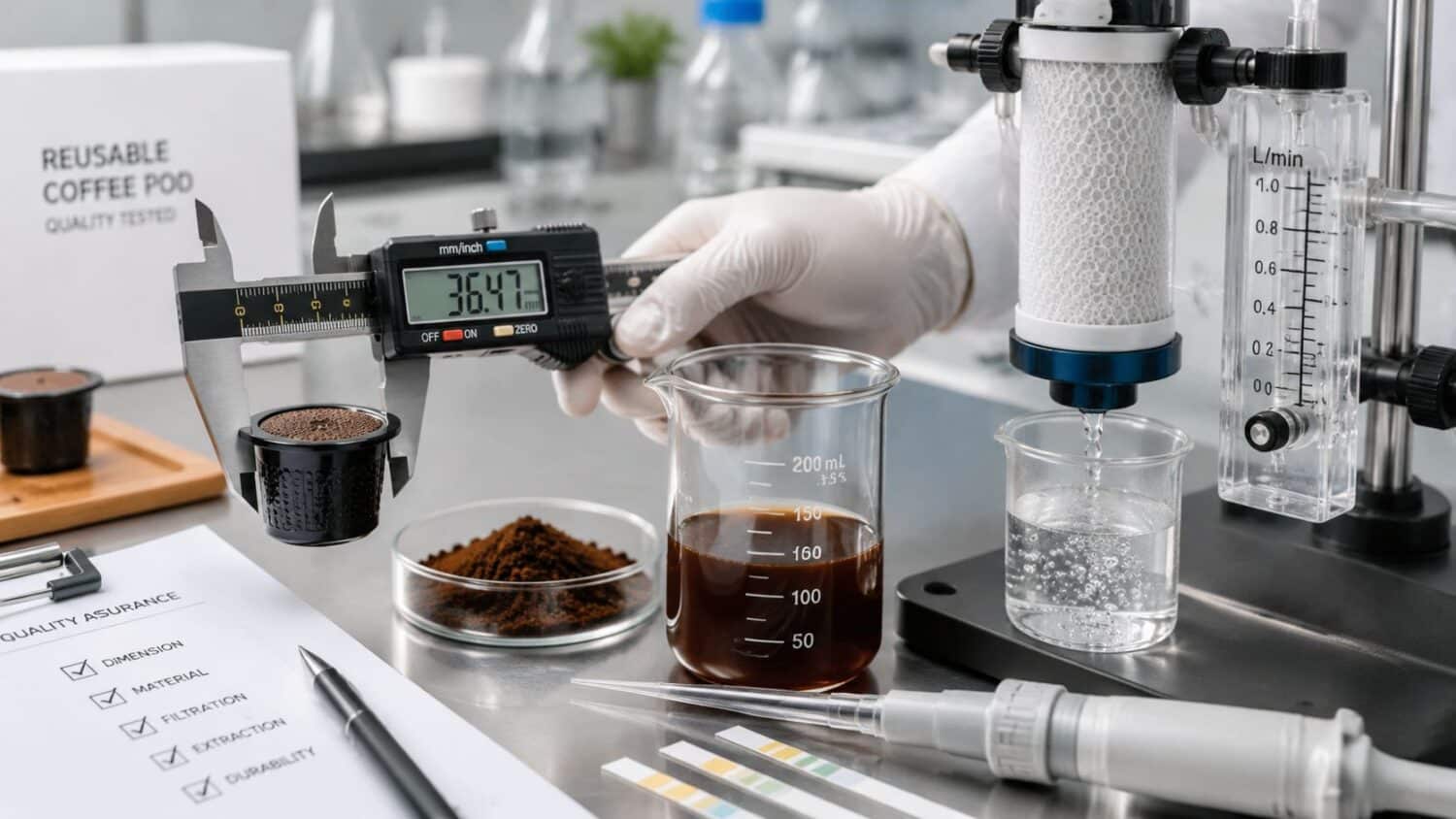
Jun
You're probably here because a coffee accessory let you down at the exact wrong time. The pod leaked. The lid didn't latch. Grounds slipped through the mesh and turned a quick morning brew into a gritty cleanup. That kind of failure feels small until it happens before work, wastes good coffee, and leaves you wondering whether every “compatible” accessory online is just a gamble.
As someone who thinks about quality the way a production floor thinks about it, I can tell you the difference usually isn't marketing copy. It's testing procedures. The brands that document fit, flow, safety, and repeat use give you a product that behaves predictably. The ones that don't often sell a part that looks right in a photo and fails where it matters most, inside a hot machine under pressure.
Why Your Cheap Coffee Pod Just Ruined Your Morning
You load a reusable pod, close the lid, press brew, and expect a normal cup. Instead, water moves around the seal instead of through the coffee bed. The result is thin coffee, floating grounds, or a machine that sounds like it's working harder than it should.
That failure usually starts long before the product reaches your kitchen. A pod can be slightly off in shape, the mesh can be joined poorly, or the latch can feel acceptable at first and weaken almost immediately. None of those problems are obvious in a product photo. All of them become obvious at 6:45 a.m.
Cheap accessories fail in familiar ways
Most bad coffee accessories don't fail in exotic ways. They fail in ordinary, irritating ones:
- Poor fit: The pod doesn't seat correctly, so water bypasses the coffee.
- Weak closure: The hinge or latch loosens, and the lid stops sealing cleanly.
- Bad filtration: The mesh lets fines through, so the cup tastes muddy.
- Harsh material behavior: Hot water pulls out off-odors or off-tastes that have nothing to do with your beans.
Those failures also create waste. You lose coffee, spend time cleaning, and often end up replacing the “cheap” accessory faster than expected.
A coffee accessory doesn't need to be complicated to be reliable. It needs to be tested in the same conditions where people actually use it.
Why trust breaks so quickly
Consumers usually assume “compatible” means “proven to work.” It often just means the seller says it should fit. That's a major gap. Real compatibility should cover sealing, brew flow, cleanup, and repeat use over time, not just whether the part can be inserted into the machine.
That's also why authenticity matters. A product that claims compatibility without clear quality controls can look legitimate while cutting every corner that affects performance. If you want to understand how to spot that difference, PureHQ's guide to product authenticity is a useful companion read.
The Foundation of a Flawless Brewing Experience
Testing only matters when the procedure is repeatable. If one person presses harder, waits longer, or prepares samples differently every time, the result tells you almost nothing. That principle applies whether you're checking a concrete cylinder or a reusable coffee pod.
Precision makes results usable
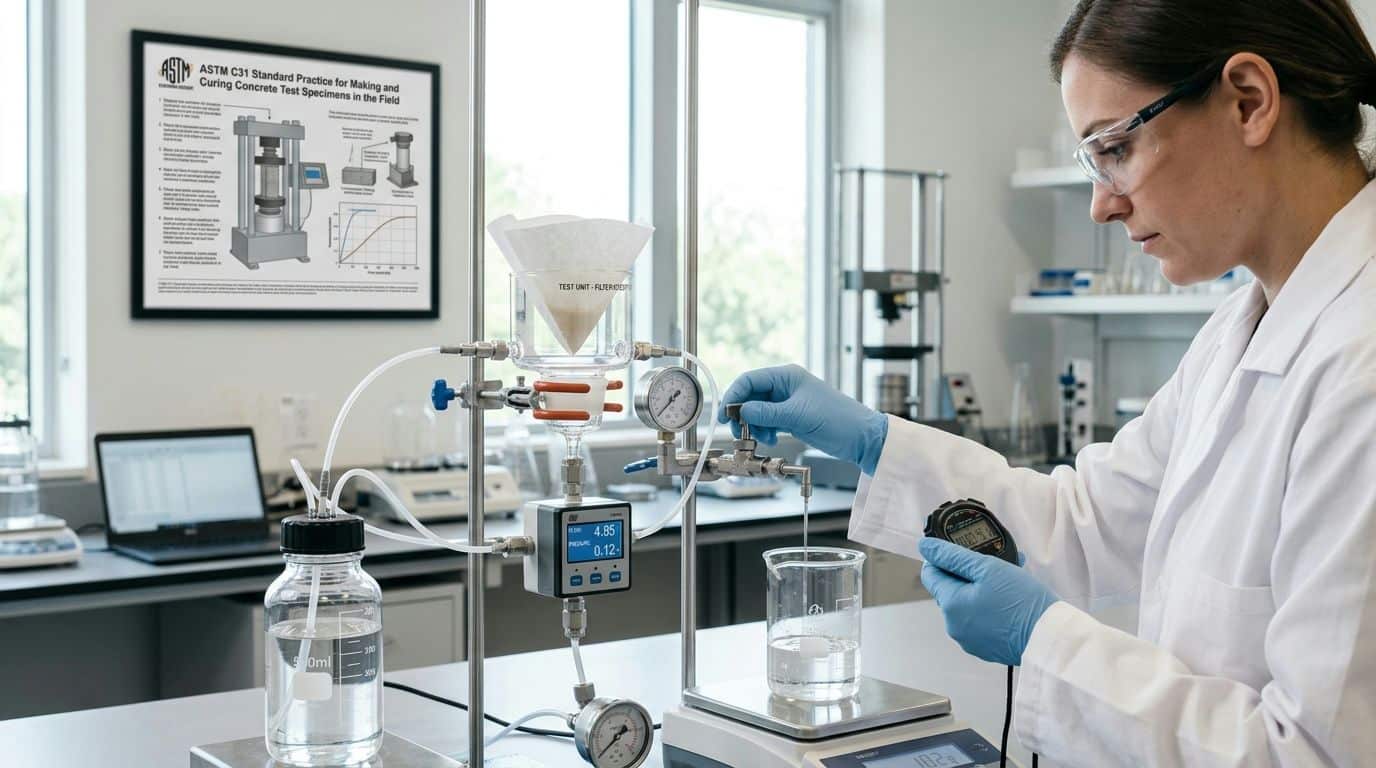
The best example comes from outside coffee. ASTM C31 guidance summarized by Concrete Network states that fresh concrete samples must be placed in molds in three equal layers, with each layer rodded exactly 25 times to eliminate air voids and keep the sample uniform. That level of precision exists for one reason. If the preparation changes, the test result becomes questionable.
Coffee accessories need the same discipline. A real testing procedure is a written script. It defines the sample, the machine, the brew conditions, what counts as a pass, and what counts as a failure.
What a documented procedure protects
For a coffee accessory, a useful testing process should verify a few basic outcomes:
- Safety: The materials should behave properly with hot water and food contact.
- Performance: The accessory should deliver the intended brew result without leaks or off-tastes.
- Reliability: The same accessory should keep working after repeated opening, closing, rinsing, and brewing.
- Compatibility: A claimed fit should hold across the supported machines, not just a single unit on a workbench.
A product without documented testing isn't automatically bad. But it is unproven. In quality control terms, that means the customer becomes the final test stage.
Practical rule: If a brand can't describe how it validates fit, materials, and repeated use, it probably hasn't validated them in a disciplined way.
Why standards thinking matters in coffee
The lesson from formal standards is simple. Precision protects the user. A reusable pod doesn't need a concrete standard to benefit from the same mindset. The brand still needs fixed methods, consistent handling, and a clear record of what happened during testing.
That's how a routine cup stays routine. The brew flows correctly, the lid closes the same way every time, and the accessory doesn't surprise you after a week of use.
Key Tests Every Coffee Accessory Should Pass
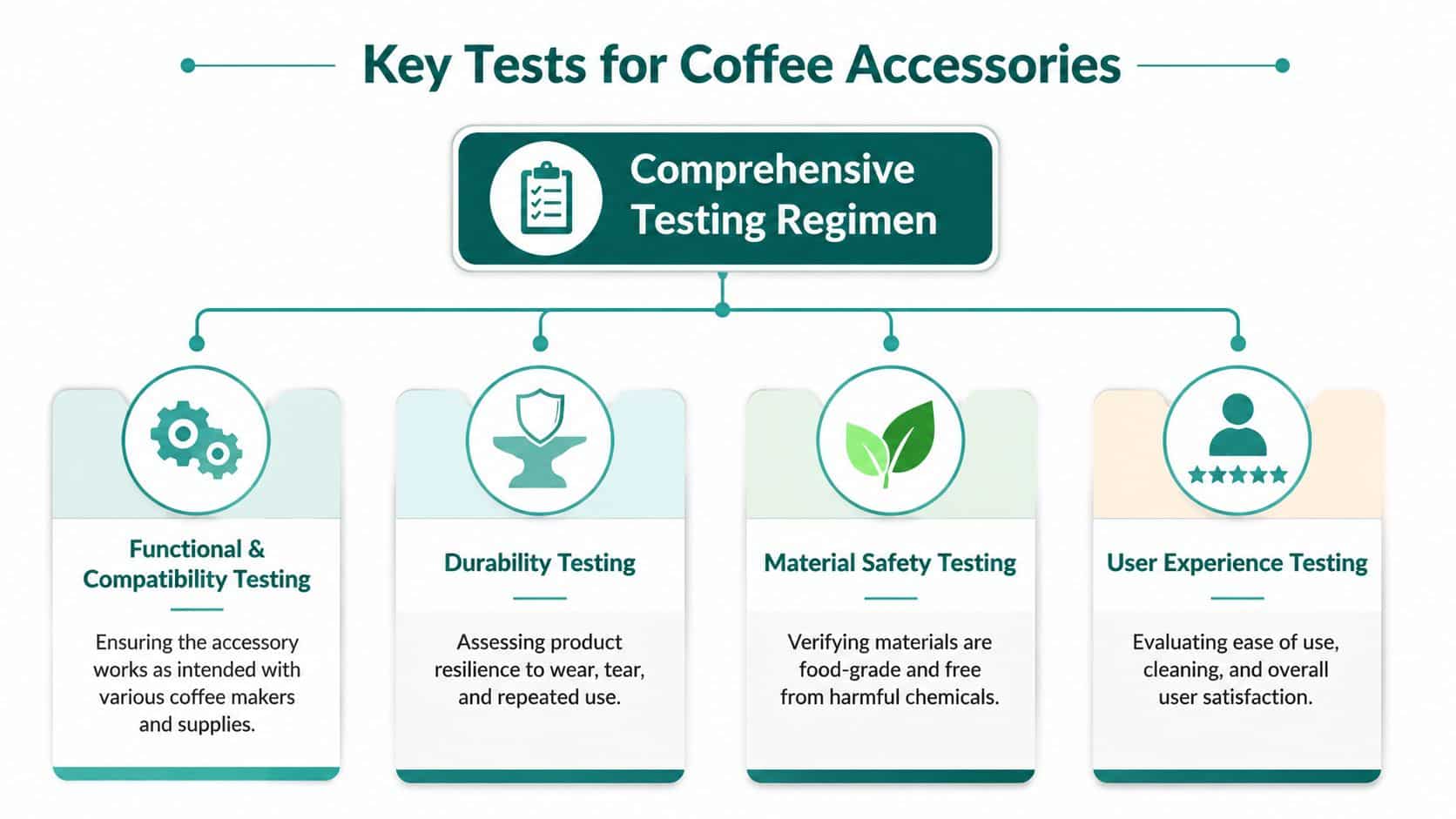
A serious quality program doesn't rely on one big “does it work?” check. It breaks the product into separate risks and tests each one directly. That matters because leaks, breakage, and bad taste rarely come from the same root cause.
Fit and function under real brewing conditions
Functional testing starts with the basics. Does the accessory seat correctly? Does the lid close fully? Does water move through the coffee as intended, instead of around it?
For reusable pods, fit isn't just about insertion. A pod can click into place and still brew poorly if the seal is inconsistent or the geometry changes flow. Good testing procedures check operation on the machine families the product claims to support, including common user actions like filling, tamping lightly, and cleaning between cycles.
Material behavior and taste protection
Material safety testing is critical in anything that meets hot water. The issue isn't only whether a material is labeled food-grade. It's whether the finished part stays stable in brewing conditions and avoids adding odor or flavor.
That's where poor accessories reveal themselves. A part can look clean and still produce a plastic note in the cup. A good testing process catches that before release by evaluating how the finished accessory behaves when exposed to heated water repeatedly.
Durability is a flavor issue too
Durability sounds mechanical, but it affects coffee quality directly. When a hinge loosens or the closure stops aligning, extraction changes. Water finds the easy path, and the coffee bed gets uneven saturation.
A proper durability program should stress the points most likely to fail:
- Hinges and latches: Repeated opening and closing should not create wobble or misalignment.
- Mesh screens: Filtration media should stay intact and seated.
- Body shape: The accessory should keep its form through brewing and cleaning cycles.
- Seal surfaces: Contact points should continue to close cleanly after routine use.
The best durability test is boring. If the product behaves the same way after repeated use, the customer never notices the engineering.
User experience deserves its own test
Some products pass bench checks and still frustrate real people. That's why user experience belongs in the test plan. An accessory should be easy to fill, simple to empty, and straightforward to rinse without trapping old grounds.
Teams that build data systems have learned a similar lesson. In Monte Carlo's write-up on shift-left validation, embedding validation early in the process reduced data defect propagation by 60-75% and cut time-to-fix by 40%. The coffee equivalent is catching bad fit, awkward cleanup, or weak closures before full production, when fixing them is cheaper and far less painful for the customer.
How to Design a Bulletproof Testing Plan
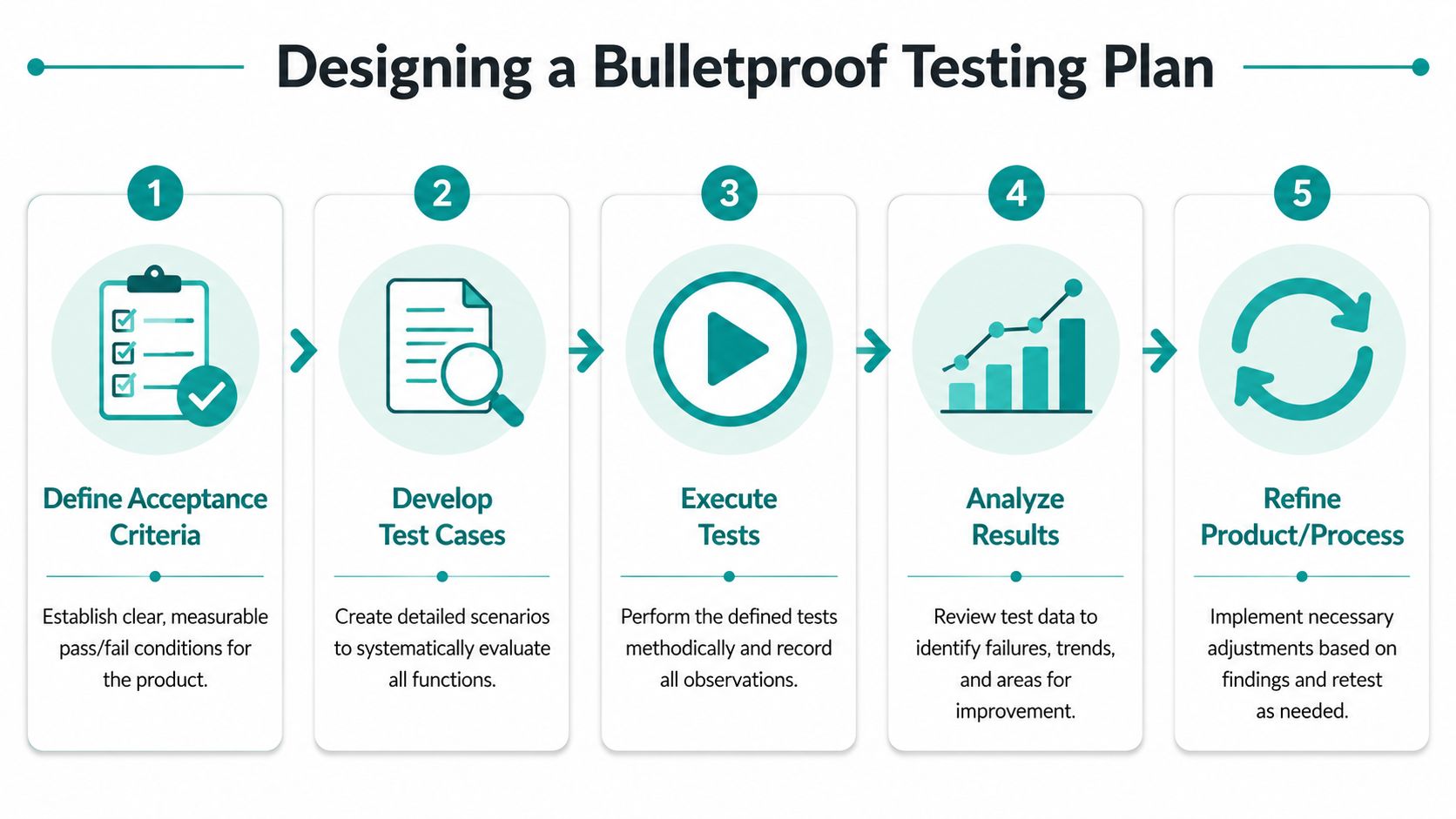
A reliable product starts with a pass or fail definition, not a vague hope that the design is “good enough.” If the team can't state what success looks like, testing turns into opinion.
Start with acceptance criteria
Acceptance criteria translate customer expectations into checks the team can run. For a coffee accessory, that means defining what the product must do consistently. It should fit supported brewers, maintain clean flow, avoid obvious material problems in hot water, and keep working through repeated handling.
Once those criteria exist, test cases become sharper. Instead of asking whether the pod feels durable, the team can examine the closure after repeat use, inspect the mesh, and record whether performance changed.
A maintenance-minded user can see the same logic on the ownership side. If you want your machine and accessories to stay predictable, this coffee machine maintenance checklist is a practical reference.
Why statistics matter in product testing
Testing one unit tells you almost nothing about a production run. A few samples can look perfect while variation hides in the rest of the batch. That's why statistical thinking belongs in quality work.
William Sealy Gosset introduced the t-test in 1908 under the pseudonym “Student”, creating a practical way to judge whether observed differences were statistically significant even with small samples, according to SHADAC's overview of statistical testing. In modern testing, the familiar benchmark is the 95% confidence level, and Analytics-Toolkit explains that this standard appears in over 90% of peer-reviewed studies. In product testing, that means there's only a 5% chance the result is a random fluke.
Here's a useful video if you want to see how structured testing logic works in practice:
Build quality early, not after complaints
The strongest testing plans also move upstream. They check materials before assembly, prototypes before launch, and pilot production before a broad release. That approach prevents teams from discovering basic problems only after customers start reporting them.
A simple sequence works well:
- Define the pass criteria
- Write the test cases
- Run the tests consistently
- Review failures and patterns
- Adjust the product or process, then retest
Good testing procedures don't exist to generate paperwork. They exist to stop preventable problems from reaching a customer's kitchen.
The PureHQ Difference vs Generic Pods
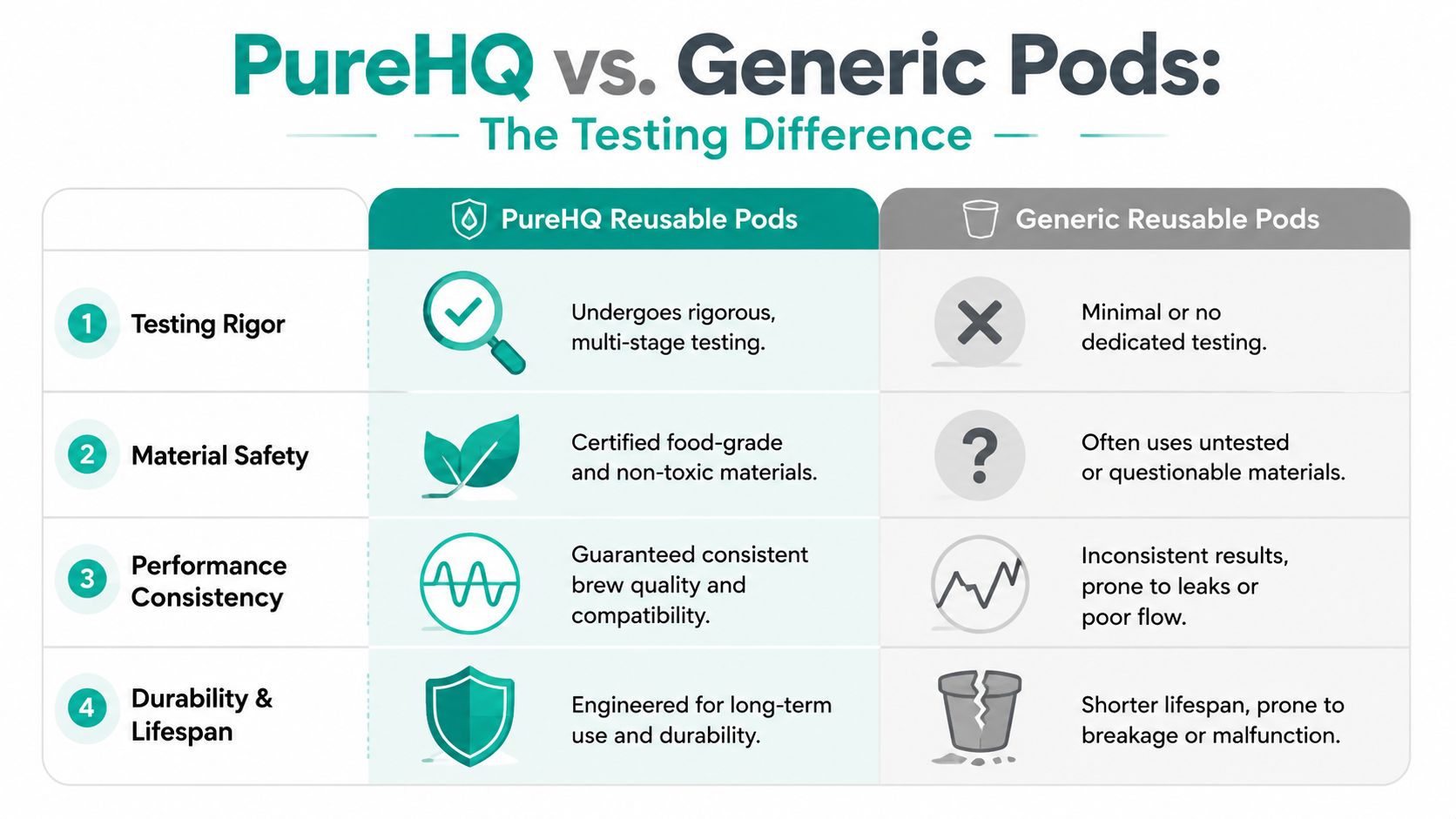
Price comparisons can be misleading with coffee accessories. Two reusable pods can look almost identical online and behave very differently in a brewer. The gap usually comes from what happened before sale. One product was validated carefully. The other was merely manufactured.
Where generic pods usually go wrong
The most common customer objection is simple: “Will this leak grounds into my cup?” That problem typically traces back to fit tolerance, closure consistency, or mesh quality. Generic pods often get close enough to fit physically but not close enough to seal and brew cleanly.
Another common issue is durability. A lid that feels acceptable on day one can become unreliable after routine use. That kind of failure isn't dramatic. It just slowly makes the coffee worse.
Reusable Pod Testing PureHQ vs Generic
| Test Parameter | PureHQ Procedure | Typical Generic Approach |
|---|---|---|
| Fit and compatibility | Checks supported brewer fit and seal behavior across claimed machine families | Broad compatibility claim with limited evidence |
| Mesh integrity | Evaluates whether the screen stays intact and filters cleanly during use | Screen quality varies, and failures show up as grounds in the cup |
| Closure reliability | Reviews hinge and latch behavior through repeated handling | Closure may loosen or misalign over time |
| Material confidence | Uses materials presented for food-contact use and taste-neutral brewing | Material sourcing and finished-part behavior are often unclear |
| User cleanup | Designs for easier rinsing and repeat use | Coffee residue can collect in harder-to-clean shapes |
That's the practical difference between a premium accessory and a generic listing. The premium product tries to remove uncertainty. The generic one often asks the customer to absorb it.
If you're comparing reusable options closely, PureHQ's reusable coffee pods review can help you evaluate fit, cleanup, and brew quality with a more critical eye.
Why the wider ecosystem matters
Coffee accessories rarely work in isolation. A reusable pod can brew better when the incoming water is cleaner, and the machine itself performs more consistently when scale buildup is controlled. That's why filters and descalers matter. They support the pod instead of competing with it.
A charcoal water filter can help protect taste, while a descaling routine helps preserve brew performance over time. Those supporting items don't replace good pod design, but they make it easier for a well-tested accessory to keep delivering the cup you expect.
A Smart Consumer's Testing Checklist
You don't need a lab coat to shop like a quality manager. You just need to know what clues point to disciplined testing procedures and what clues suggest guesswork.
What to inspect before you buy
Start with the listing and packaging language. Reliable products usually make concrete claims about material type, supported machine families, and care instructions. Vague wording tends to hide weak validation.
Use this quick screen:
- Check material claims: Look for clear statements such as BPA-free or food-grade, not fuzzy language.
- Check model relevance: Read reviews from people using your specific machine, not just the same brand family.
- Check construction details: A sturdy hinge, even mesh, and cleanly finished edges usually signal better process control.
- Check instructions: Clear cleaning and filling guidance often indicates the brand has thought through actual use.
What to test at home immediately
Your first brew should be a short inspection, not blind trust. Run water through the accessory and pay attention to smell, taste, and residue. If the cup carries a plastic note or you see unusual debris, stop there.
A reusable pod should also feel predictable in the hand. The lid should close cleanly, the body should sit properly, and cleanup shouldn't require awkward digging into corners. Products that are hard to use on day one rarely become more satisfying with time.
If the accessory tastes wrong with plain water, don't blame the coffee.
Read complaints the right way
Reviews are most useful when you sort them by failure mode. “Didn't work” isn't very informative. “Leaked on a K-Supreme,” “grounds passed through the mesh,” or “latch broke after cleaning” tells you far more.
That method helps you separate random user error from repeated product weaknesses. When the same complaint appears across different buyers and machines, it usually points to a design or manufacturing problem that better testing would have caught.
From Test Results to Your Trusted Accessory
A strong test result only matters if the company can trace it back to the batch, materials, and production run behind the product. That's where documentation stops being office paperwork and starts protecting the customer.
Records create accountability
When teams record incoming materials, prototype findings, production checks, and final inspection results, they create a chain of accountability. If a problem appears later, they can investigate where it started and isolate the scope more intelligently.
Without that record, every failure looks the same. The company can guess, but it can't trace confidently. That's a bad place to be when the product handles hot water and touches something you drink.
Better sampling catches edge cases
Thorough documentation also supports better test design. In data quality work, Dagster's guide to partition testing explains that partition testing with stratified sampling can deliver 99% coverage of edge cases and critical data segments, while random sampling alone may cover only 80% of critical segments. The same quality lesson applies to physical products. If a team only checks the obvious cases, it will miss the weak points that show up at boundaries, such as fit variation, latch wear, or inconsistent mesh performance.
For regulated materials and food-contact products, traceability also supports compliance work. It gives manufacturers a factual record of what was used, what was tested, and what standard operating practices were followed.
Documentation is the final test. It proves the company can stand behind what it shipped.
What trust looks like in practice
When a brand speaks clearly about quality control, support, instructions, and replacement policies, that usually reflects internal discipline. It doesn't guarantee perfection, but it does signal that the company treats quality as a system, not a slogan.
That's what consumers should want from any coffee accessory. Not hype. Not claims without context. A product backed by repeatable testing procedures, documented decisions, and a clear path to accountability if something goes wrong.
Experience the Difference of a Tested Product
A coffee accessory shouldn't feel like a risk every time you brew. The right testing procedures protect taste, fit, safety, and day-to-day reliability. They reduce the odds of leaks, weak closures, off-flavors, and premature failure. They also explain why a better product often costs more up front and frustrates you less over time.
If you care about a cleaner cup, a better machine fit, and accessories that hold up to normal use, choose products from brands that treat testing as part of the product itself. That's how you get peace of mind along with better coffee.
Shop PureHQ Inc. for premium reusable coffee pods, water filters, and maintenance essentials built for a better, safer daily brew.

