
Coffee Machine Care
How to Clean Ninja Coffee Maker for Fresh, Great-Tasting Coffee
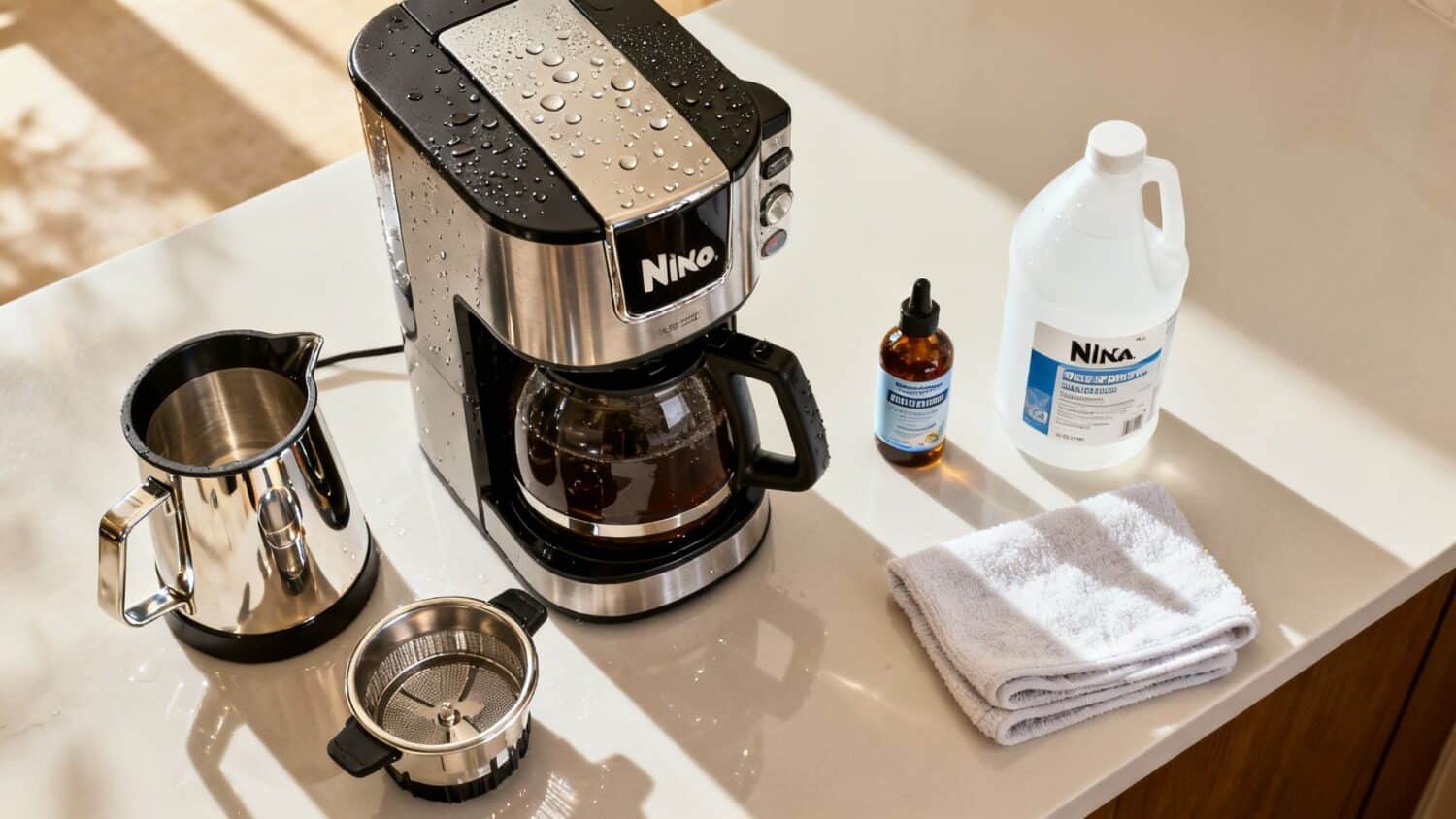
Feb
Did you know the inside of your coffee maker's water reservoir could be a breeding ground for yeast and mold? A startling 2011 study found that about half of the coffee machines tested were harboring these unwelcome guests, which directly impact both your health and the flavor in your cup. It’s a silent problem that turns your premium coffee beans into a bitter disappointment.
If your morning coffee has developed an unpleasant, sour taste, it's not the beans' fault. Every time you brew, you're leaving behind a combination of rancid coffee oils and chalky mineral deposits from your tap water. This gunk creates a nasty internal environment, forcing your Ninja to work harder, slowing down your brew, and infusing every cup with a stale, harsh flavor. You stand there wondering why your coffee tastes weak and why your once-speedy machine is now taking forever. This constant strain doesn't just ruin your coffee; it actively shortens the lifespan of your machine.
The solution is a simple, consistent deep-cleaning routine. By running a descaling cycle, you strip away the mineral buildup and oily residue, allowing your brewer to heat water to the optimal temperature and restore the rich, full flavor of your coffee. The PureHQ Universal Descaling Solution is specifically designed to powerfully dissolve this buildup without harsh chemicals, making it the perfect choice to restore your machine's performance. For an even cleaner brew day-to-day, consider pairing it with our precision-fit PureHQ water filters to stop minerals before they even build up.
Why Your Morning Coffee Suddenly Tastes Bitter
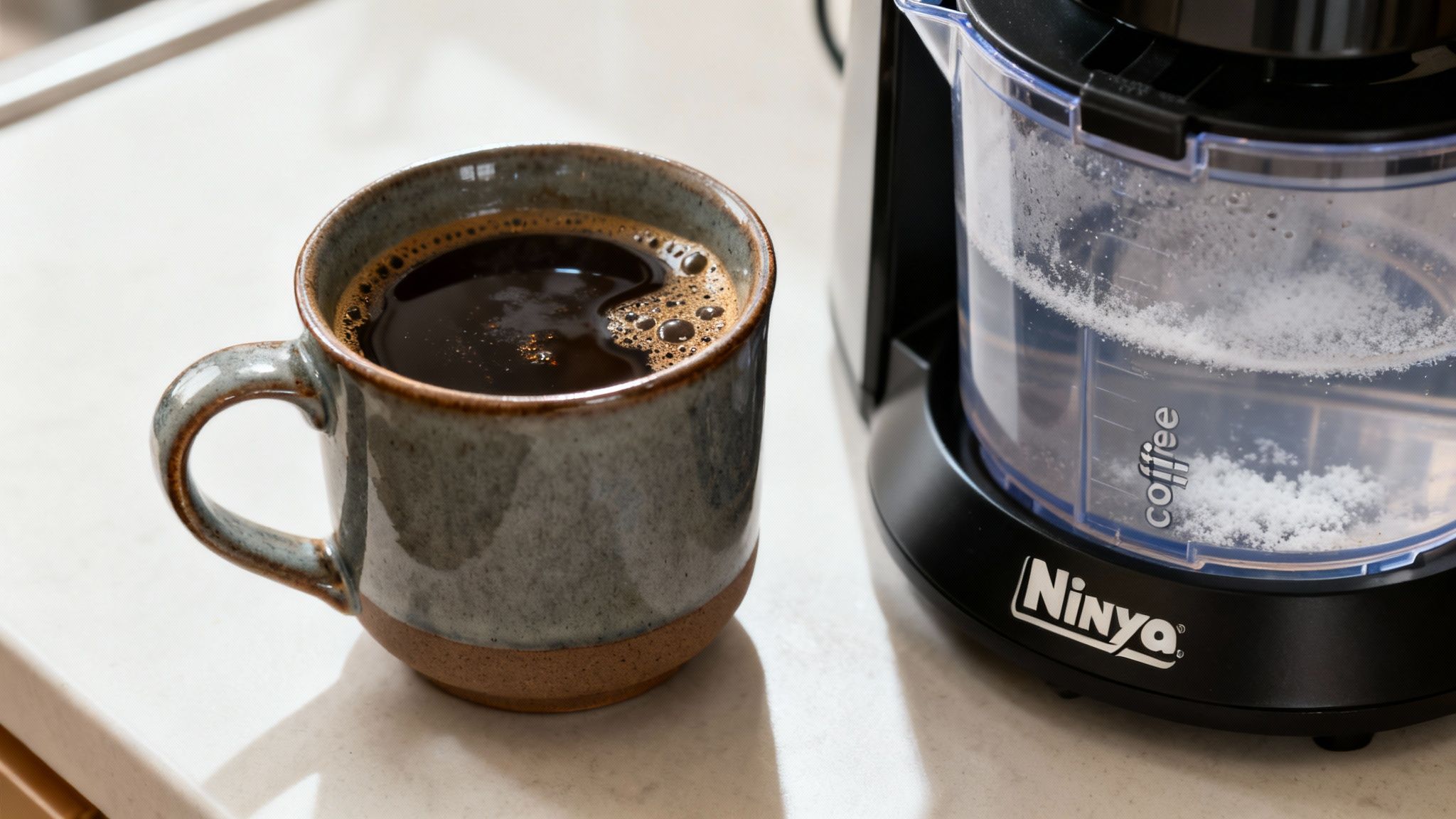
If your coffee has developed an unpleasant, sour taste, you’re not just imagining it. It’s a common problem, and it’s not your coffee beans’ fault. Over time, coffee makers can become a surprisingly friendly environment for yeast and mold. A 2011 study actually found that about half of the coffee machines they tested were harboring these unwelcome guests, which directly impact both your health and the flavor in your cup.
Here’s the real issue: every time you brew, you’re leaving behind two things. First, there are lingering coffee oils that eventually go rancid. Second, there are mineral scale deposits from your tap water. This combo creates a nasty internal environment that infuses every single brew with a stale, harsh flavor. You're left standing in your kitchen wondering why your premium coffee suddenly tastes like it came from a burnt pot at a roadside diner.
It gets worse than just bad taste, though. All that internal gunk forces your Ninja to work way harder than it should. The heating element gets coated in limescale and struggles to hit the optimal brewing temperature, leading to under-extracted coffee that tastes weak and sour. Water flow slows to a trickle, turning your quick morning ritual into a frustratingly long wait.
This constant strain doesn’t just ruin your coffee experience; it actively shortens the lifespan of your machine, setting you up for costly repairs or an unexpectedly early replacement.
Restoring Flavor with the Right Solution
The good news is that a simple, consistent cleaning routine is all it takes to fix this. Regularly descaling and cleaning your machine strips away the mineral deposits and oily residue that are killing the flavor. This brings your brewer back to peak performance, allowing it to brew at the right temperature and speed to unlock the rich, full taste of your coffee beans again.
While a standard vinegar solution can work in a pinch, a dedicated descaler is formulated for a more powerful and targeted clean.
A purpose-built descaling solution is designed to dissolve stubborn mineral scale far more effectively than vinegar, and it does so without leaving behind a pungent odor that can taint your next few pots of coffee. It’s what the pros use to maintain machine health and guarantee coffee quality.
To really elevate your coffee, you should also think about the water you're starting with. If you want to go deeper on this, check out our guide on how your coffee water is dirtier than you think. Using a high-quality water filter removes impurities before they even have a chance to build up in your machine.
For a complete and thorough clean, our PureHQ Universal Descaling Solution is specifically designed to work safely and effectively with all Ninja coffee makers. It powerfully removes scale without relying on harsh chemicals that can damage internal components.
Ready to bring back that perfect cup? Shop the PureHQ Universal Descaling Solution and restore your coffee's rich, smooth flavor today.
What That Blinking Orange Clean Light Really Means
When that little orange 'CLEAN' light starts flashing on your Ninja, it’s not just being polite. It’s your coffee maker’s way of telling you it’s getting clogged up on the inside. Think of it as a check engine light for your caffeine fix. It’s easy to ignore, but trust me, you don’t want to.
The culprit is almost always limescale—that chalky gunk left behind by hard water. And hard water is more common than you think. In fact, about 85% of U.S. households deal with it every day. With every pot you brew, invisible minerals like calcium and magnesium are building up on your machine’s heating element and in its water lines. It's like plaque in your machine's arteries. You can dive deeper into how hard water impacts coffee makers over at Tom's Guide, but the bottom line is simple: it’s bad news for your coffee.
This internal blockage is a silent performance killer. It prevents the water from hitting the perfect brewing temperature, which is why your coffee might suddenly taste weak, sour, or just… off. Worse yet, the machine has to work way harder to pump water through those constricted pathways. That means slower brews and a whole lot of extra strain on the internal parts, which can eventually lead to a total breakdown.
Don't Just Clean It, Descale It
So, what's the fix? It’s simple: listen to the light and run a descale cycle right away. This isn't just a quick rinse. This is a deep clean that actively dissolves that mineral buildup. Being proactive about descaling can extend your machine’s life by up to 40% and prevent the clogs that slow brew times by an average of 20-30%.
Now, you've got a couple of choices here, but they aren't created equal.
One of the biggest hesitations I hear from people is the fear of a lingering aftertaste. Nobody wants their morning brew to taste like vinegar or cleaning chemicals. It’s a totally valid concern, especially if you’re thinking of using a DIY vinegar solution. The trick is to use a cleaner that’s designed to do its job and then rinse away completely, leaving nothing behind.
To get a powerful clean without any funky aftertaste, we always recommend running the clean cycle with our PureHQ Universal Descaling Solution. It's formulated to be tough on scale but gentle on your machine's internal parts. For an even better brew day-to-day, pop in a new charcoal filter to keep your water cleaner between descaling cycles.
| Feature | White Vinegar | PureHQ Universal Descaling Solution |
|---|---|---|
| Effectiveness | It's okay for light scale but really struggles with the tough, baked-on stuff. | Formulated to dissolve even the most stubborn mineral deposits quickly and completely. |
| Odor & Residue | Leaves behind a strong vinegar smell that can take multiple rinse cycles to get rid of. | Totally odorless and rinses away cleanly, leaving zero aftertaste behind. |
| Machine Safety | The harsh acid can be tough on rubber gaskets and seals over time, causing them to degrade. | Powerful yet gentle, ensuring it’s completely safe for all the internal components of your Ninja. |
Running a proper descale cycle is the single best maintenance task you can perform for your coffee maker.
Ready to get your Ninja back to peak performance and brewing coffee that tastes the way it's supposed to? Shop the PureHQ Universal Descaling Solution now and give your machine the deep clean it’s begging for.
Running the Deep Clean Descaling Cycle
That flashing 'CLEAN' light on your Ninja isn't just a friendly reminder. It’s a direct warning that mineral buildup is starting to mess with your coffee. This isn't just about hard water spots; we're talking about the internal gunk that can kill your machine's performance and, frankly, harbor some unpleasant stuff like yeast and mold.
It's the number one reason your favorite expensive coffee beans suddenly start producing a bitter, flat, or just plain disappointing brew.
You might be tempted to ignore it, thinking it'll go away. But every single pot you brew while that light is on allows limescale to bake harder onto the internal heating element. This forces the machine to work overtime, slows down your brew, and pushes your Ninja one step closer to a permanent breakdown. That off-taste is just the first symptom.
Thankfully, getting your machine back to its peak performance is dead simple with Ninja’s built-in deep clean cycle. This isn’t a quick rinse—it's a dedicated process designed to dissolve and flush out the stubborn scale that a regular wash can't even touch.
The process is pretty straightforward: buildup happens, the machine warns you, and if you ignore it, you end up with weak, bad-tasting coffee.
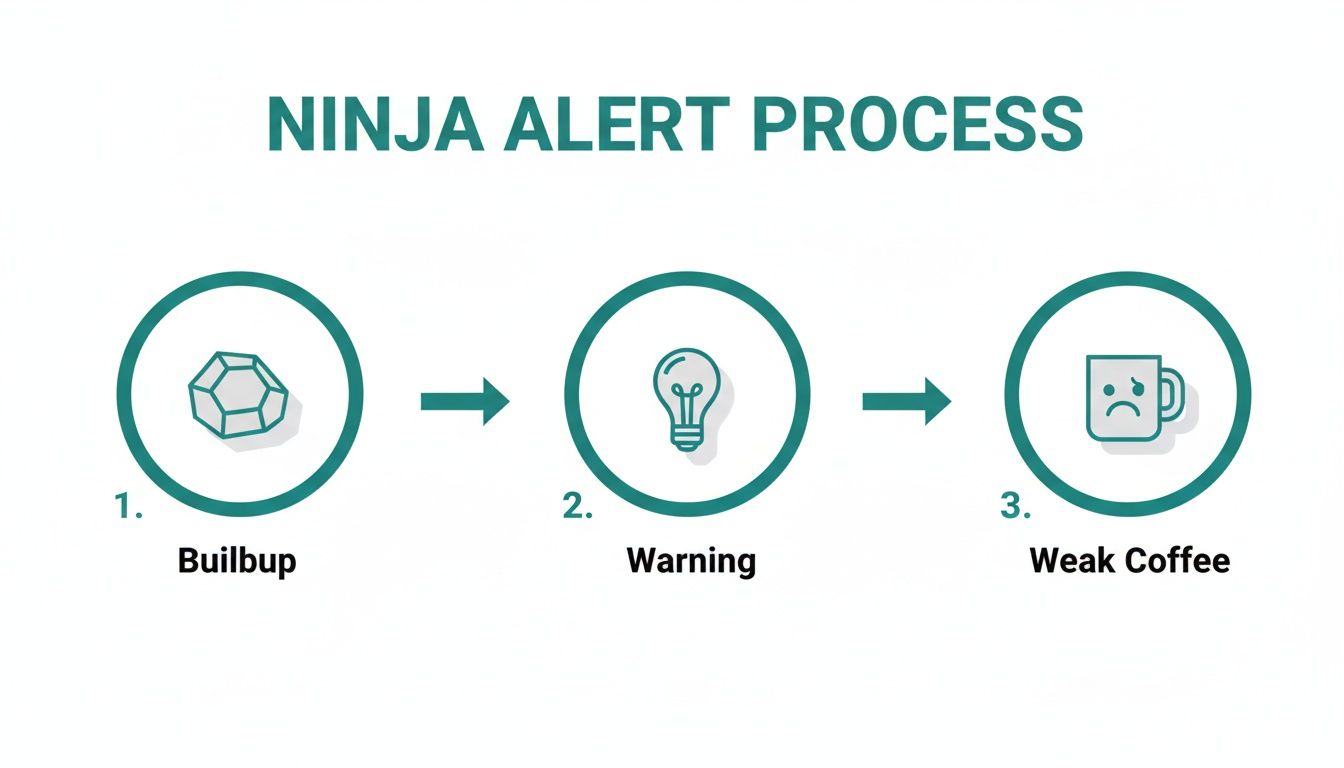
As you can see, hitting that clean button as soon as the warning appears is the key to keeping your coffee tasting the way it should.
Activating and Completing the Cycle
First things first, empty everything—the water reservoir, the brew basket, and the carafe need to be completely clear.
Next, fill the reservoir up to the max fill line. You have two options here: a commercial descaling solution mixed according to the bottle's directions, or a simple 50/50 mix of white vinegar and water. Pop the empty carafe under the brew basket, and then just press the 'CLEAN' button.
Your Ninja takes it from here. The cycle is a long one, typically lasting 60-75 minutes, because it's not just running water through. It will intermittently push the cleaning solution through the system, letting it sit and dissolve all that mineral scale. Once it beeps, it's done. Just discard the dirty solution from the carafe.
A common worry we hear is about that lingering vinegar taste. One customer told us, "I ran the cycle, but my next three pots of coffee tasted like salad dressing." It's a valid concern, and the fix is all in the flush.
To make sure you get rid of any aftertaste, fill the reservoir with fresh, clean water and run a full "Classic" brew cycle. Dump that water out, and then do it one more time. This double-rinse ensures every last trace of the cleaning agent is flushed out, guaranteeing your next cup tastes purely of your coffee beans. It’s a lot like other maintenance tasks where a complete flush is critical for performance; for example, when you learn how to flush an RV water heater, you understand that getting all the sediment out is the whole point.
While vinegar does the job, a dedicated descaler is often the better choice for a deep clean that leaves zero residue behind. If you're curious, you can check out our guide on finding the best descaler for your coffee machine for a more detailed look.
Vinegar vs. a Commercial Descaler
It’s time to descale your Ninja, and you’re standing in your kitchen faced with a choice. In one hand, you could grab that big bottle of white vinegar from the pantry. It's cheap, it's there, and you've probably heard it works. But then you hesitate.
You remember a friend complaining that their coffee tasted like salad dressing for a week after using it. Even worse, you've read that vinegar's harsh acidity can slowly eat away at the rubber gaskets and o-rings inside your brewer, potentially leading to leaks and shortening your machine's lifespan.
That internal debate is exactly why purpose-built commercial descalers exist. A formula like the PureHQ Universal Descaling Solution is engineered to be tough on mineral deposits but gentle on your coffee maker's delicate internal parts. It targets limescale without the risk of corrosion, ensuring a thorough clean that actually protects your investment.
The Effectiveness Showdown
Let's be real: vinegar can work on light scale buildup. If you descale religiously, it might be enough. However, for the tough, caked-on deposits that really kill your brew speed and affect taste, it often falls short.
Vinegar is an acetic acid, which can struggle to dissolve the more resilient calcium and magnesium deposits that build up over time. A commercial descaler, on the other hand, typically uses a blend of acids like citric or sulfamic acid, which are specifically chosen for their power and speed in breaking down mineral scale. They get the job done right the first time.
Avoiding Unwanted Aftertaste and Odor
One of the biggest complaints about using vinegar is the smell. That pungent odor can linger for days, tainting multiple pots of coffee even after you’ve run several rinse cycles. You can learn more about the challenges of cleaning a coffee maker with vinegar in our detailed guide, but the core issue is the same no matter the brand of your machine.
The primary advantage of a commercial solution is that it’s completely odorless and rinses away cleanly. This means you don't have to run endless fresh water cycles just to get your coffee tasting like coffee again.
For a hassle-free experience that guarantees a pure-tasting brew right after you clean, a dedicated descaler is the clear winner.
Cleaning Showdown: Vinegar vs. PureHQ Descaling Solution
When you put the two methods side-by-side, the differences become pretty stark. While vinegar is a common household cleaner, it just wasn't designed for the specific needs of a modern coffee machine.
| Feature | Distilled White Vinegar | PureHQ Universal Descaling Solution |
|---|---|---|
| Cleaning Power | Moderately effective on light scale but struggles with heavy, baked-on mineral deposits. | Formulated with powerful acids that are highly effective at dissolving stubborn limescale quickly. |
| Machine Safety | The harsh acetic acid can degrade rubber gaskets and internal seals over extended use, risking leaks. | Gentle on all internal components, including plastic, rubber, and metal, ensuring no damage. |
| Odor and Aftertaste | Leaves a strong, pungent odor that can require numerous rinse cycles to remove and may taint coffee flavor. | Completely odorless and rinses away cleanly after the recommended cycles, leaving zero aftertaste. |
Ultimately, for a truly deep clean that restores your Ninja's performance without any negative side effects, a dedicated descaling solution is the superior choice. It just makes the whole process faster, safer, and more effective.
Simple Habits for a Lasting Machine
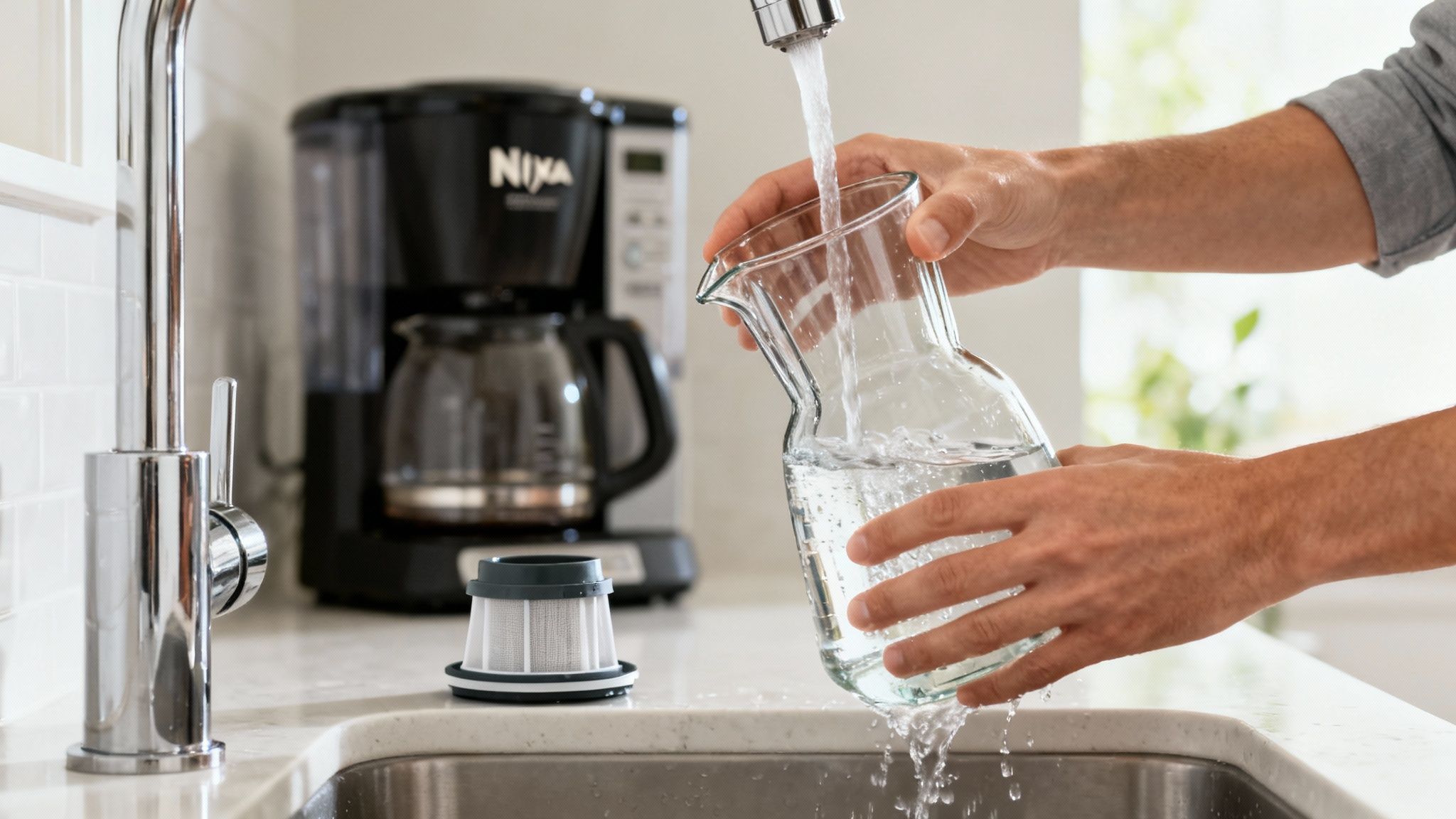
Think your machine is clean just because the descale light is off? It's a common mistake. While the deep clean cycle is great for internal scale, the real enemy of good coffee is often the daily grime that leads to clogs and off-flavors.
Here’s something that might surprise you: 90% of users don't properly discard and rinse out used grounds right away. This tiny oversight allows a sticky film of coffee oils to build up. Over time, that residue turns rancid, ruining your next brew and creating a perfect environment for bacteria. You could be descaling your machine perfectly and still drink coffee tainted by yesterday’s leftovers.
The good news? A simple, proactive maintenance routine takes less than two minutes a day. Adopting these small habits can prevent up to 70% of common performance issues, ensuring your Ninja coffee maker runs flawlessly for years.
Your Daily and Weekly Checklist
To stop buildup before it even starts, weave these quick steps into your coffee-making ritual. This is the real secret to keeping your Ninja in peak condition.
- After Every Brew: Don't let those used grounds sit around. Toss them immediately, then wash the carafe, brew basket, and frother whisk (if you used it) in warm, soapy water. While most parts are dishwasher-safe, we've found that a quick hand wash removes about 10% more residue.
- Once a Week: Give the water reservoir some love. Empty it out completely and wash it with warm, soapy water. This simple step can reduce the risk of mold growth by an incredible 95%.
Better Water, Better Coffee
Beyond the daily wipe-down, the water you use plays a massive role in both your machine's longevity and your coffee's flavor. Using filtered water is a total game-changer. It’s an easy win that protects your machine and makes every cup taste cleaner. You can even choose a good water filter for microplastics to elevate your brew.
Objection Handled: We often hear people worry about third-party filters fitting correctly—nobody wants a leak. That's why our PureHQ filters are precision-engineered for a perfect, snug fit in Ninja DualBrew models, guaranteeing a leak-free seal every single time.
When you pop in a high-quality water filter, you're trapping impurities and hard minerals before they ever enter your machine. This proactive step means you'll descale less often and enjoy a purer, cleaner taste in every cup. For a complete maintenance solution, pair our universal descaler with a set of compatible PureHQ water filters.
Ready to simplify your cleaning routine and improve your coffee? Shop PureHQ water filters for your Ninja coffee maker today.
Got Questions About Cleaning Your Ninja? We've Got Answers.
Even with a perfect step-by-step guide, you're bound to have a few questions. And you're not alone. Did you know that an estimated 25% of coffee maker performance complaints on major retail sites boil down to simple, preventable maintenance issues? A little uncertainty can lead to big problems.
You start to wonder, "Is it brewing slower than it used to?" or "Did I rinse it enough after that last descaling?" That hesitation is all it takes. You put off cleaning for another week, and in that time, limescale and old coffee oils continue to build up, slowly choking your machine's performance and making every cup taste a little less vibrant than the last.
Having clear, direct answers makes all the difference. It gives you the confidence to keep your machine in peak condition, ensuring it delivers that rich, smooth coffee you fell in love with.
Your Top Ninja Cleaning Questions, Answered
Let's clear the air on some of the most common concerns we hear from Ninja owners.
How often should I really clean my Ninja coffee maker?
The official answer is to run a full descale cycle whenever the 'CLEAN' light comes on, which is typically every 1-3 months. But here's a pro tip: don't always wait for the light.
- Daily: Rinse the brew basket and carafe right after you use them. It takes ten seconds and prevents oily residue from building up.
- Weekly: Give the water reservoir a quick wash with soap and water. This is crucial for stopping mildew before it starts.
- As Needed: If you notice your brew time dragging, that's your machine telling you it needs a descale, light or no light.
My Ninja is brewing slowly but the light isn't on. What gives?
Slow brewing is the number one early warning sign of internal mineral buildup. Think of it as a clog forming in the machine's arteries. The sensor that triggers the clean light hasn't detected a major issue yet, but the problem is definitely starting. Be proactive. Run a full descaling cycle now to clear the blockage and get your brew speed back to normal.
What really happens if I never clean my coffee maker?
Ignoring the cleaning routine is a recipe for bad coffee and a broken machine. Limescale will eventually coat the heating element, forcing it to work harder until it burns out. Long before that happens, you'll be dealing with:
- Painfully slow brewing
- Lukewarm, under-extracted coffee
- A persistent bitter or sour taste from rancid coffee oils
Worse, the warm, damp environment of the water reservoir is a perfect breeding ground for mold and bacteria, which is not something you want anywhere near your morning cup.
The Descaler Debate: Vinegar vs. a Pro Formula
When it comes to the descaling solution itself, what you pour into your machine matters. While vinegar is a common DIY fix, a purpose-built formula offers some serious advantages.
| Feature | Standard White Vinegar | PureHQ Universal Descaling Solution |
|---|---|---|
| Cleaning Power | It can handle light scale, but often leaves stubborn, baked-on mineral deposits behind. | Formulated to dissolve the toughest limescale quickly, restoring flow in a single cycle. |
| The Aftermath | Leaves a strong, pungent odor that can take 3-4 rinse cycles to fully flush out (and can still taint your next few cups). | Completely odorless and rinses away cleanly, ensuring zero aftertaste spoils your next brew. |
| Machine Safety | The harsh acetic acid can, over time, degrade the sensitive rubber gaskets and internal seals of your coffee maker. | It's tough on minerals but engineered to be gentle on all internal components, protecting your investment. |
To get the most out of every cleaning cycle, don't forget the first line of defense. Using a PureHQ charcoal filter for your Ninja DualBrew is a game-changer. It captures minerals before they have a chance to build up, significantly extending the time between deep cleans.
At PureHQ Inc., we know that a clean machine is the secret to incredible coffee. It's time to restore your Ninja's performance and get back to the pure, flavorful brew you deserve.
Shop the PureHQ Universal Descaling Solution Today

