
Coffee Machine Care
Coffee Maker Cone Filter: The Ultimate Brewer’s Guide
May
You buy better beans. You grind fresh. You fill the reservoir with good water. Then your machine hands you a cup that tastes thin, harsh, or oddly muddy.
That usually sends people chasing the wrong culprit. They blame the roast, the grinder, or the coffee maker itself. In a lot of kitchens, trouble starts with one overlooked part: the coffee maker cone filter.
A cone filter looks simple, but it controls how water moves through the grounds, how clean the cup tastes, and whether your brew comes out balanced or bitter. If you use an electric drip machine with a cone-shaped basket, that little paper or metal insert has more influence than is generally understood.
The Unsung Hero of Your Morning Coffee
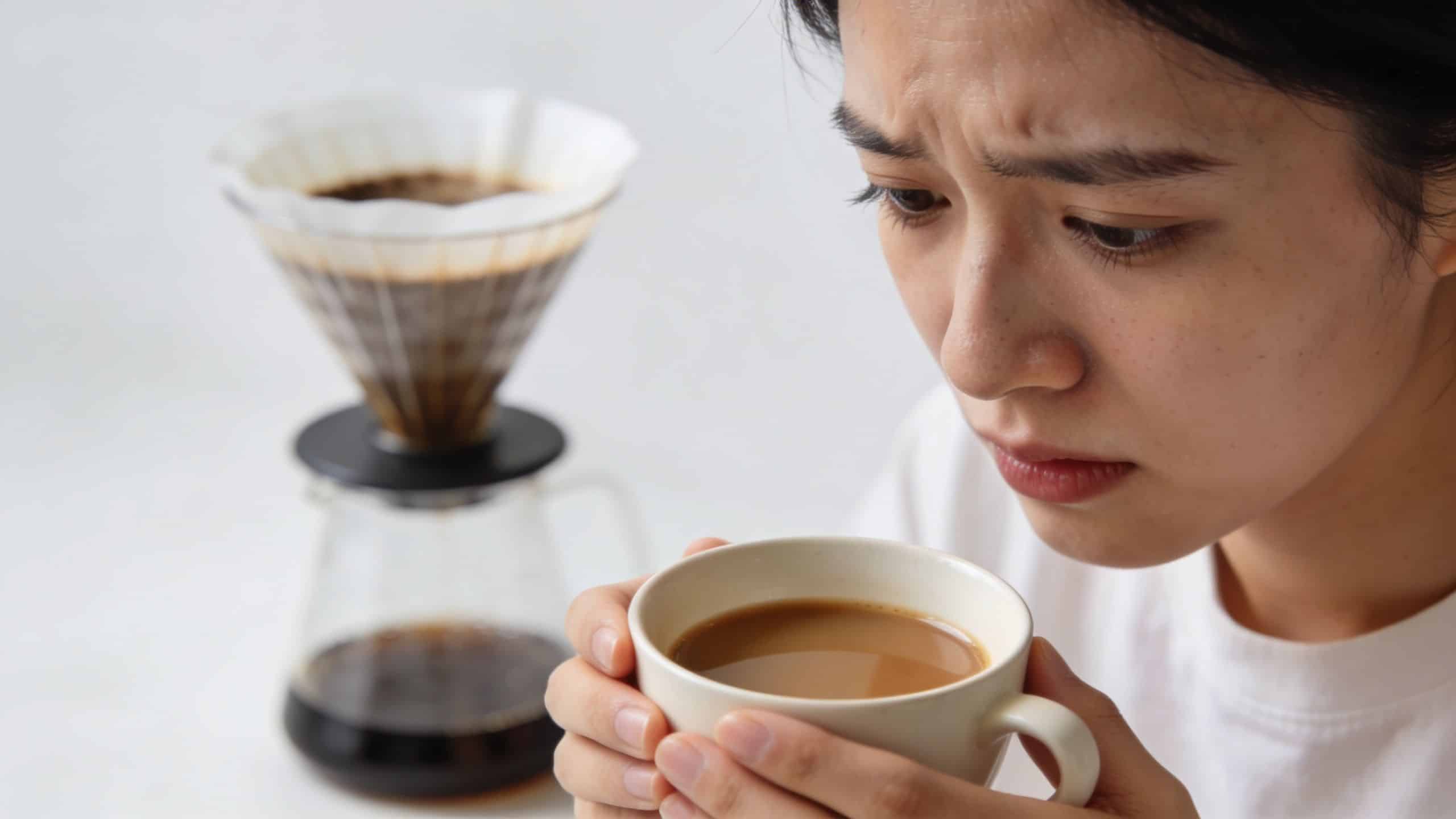
A disappointing mug can feel especially frustrating when you know the coffee should taste better. You open a fresh bag, measure carefully, and still get a brew that tastes like wet cardboard or burnt toast. That’s a common home brewing problem.
In many cases, the issue isn’t your beans. It’s the filter and how your machine uses it.
Why this small piece matters so much
Your filter does two jobs at once. It holds the coffee bed in a specific shape, and it controls what reaches your cup. If either part goes wrong, the result shows up fast in flavor.
A cone filter affects:
- Water path: It guides water down through the grounds instead of letting it spread across a wide flat bed.
- Brew clarity: It keeps sediment out of the cup, or in the case of metal filters, lets more texture and oils pass through.
- Consistency: It helps your machine repeat the same brew pattern each morning.
That last point matters more than people think. A machine can only work with the basket and filter shape it has. If the filter collapses, folds, or channels water badly, your brewer never gets a fair shot.
The invention that changed everyday coffee
The modern filter story starts with a home fix. According to Wild Kaffee’s account of the invention of the coffee filter, Melitta Bentz patented the first paper coffee filter in 1908 after getting tired of bitter, gritty coffee from percolators. She used blotting paper from her son’s notebook to create a cleaner drip-style brew.
That idea mattered because it solved two old problems at once: over-extraction and sediment. Instead of boiling grounds again and again, the water passed through once and left the solids behind.
Clean coffee didn’t start as a luxury. It started as a fix for bitterness and sludge.
What readers usually miss
People often think of filters as accessories, not brewing tools. That’s like calling a pan “just a container” while ignoring what it does to heat and texture.
If your coffee tastes off, ask these questions before changing beans:
- Does your machine use a cone basket or a flat basket?
- Are you using the correct filter size?
- Are you pairing the filter shape with the right grind for an electric machine?
Those three choices decide a lot of what lands in your mug. Once you understand them, your daily brew gets easier to fix.
Why a Cone Shape Unlocks Superior Flavor
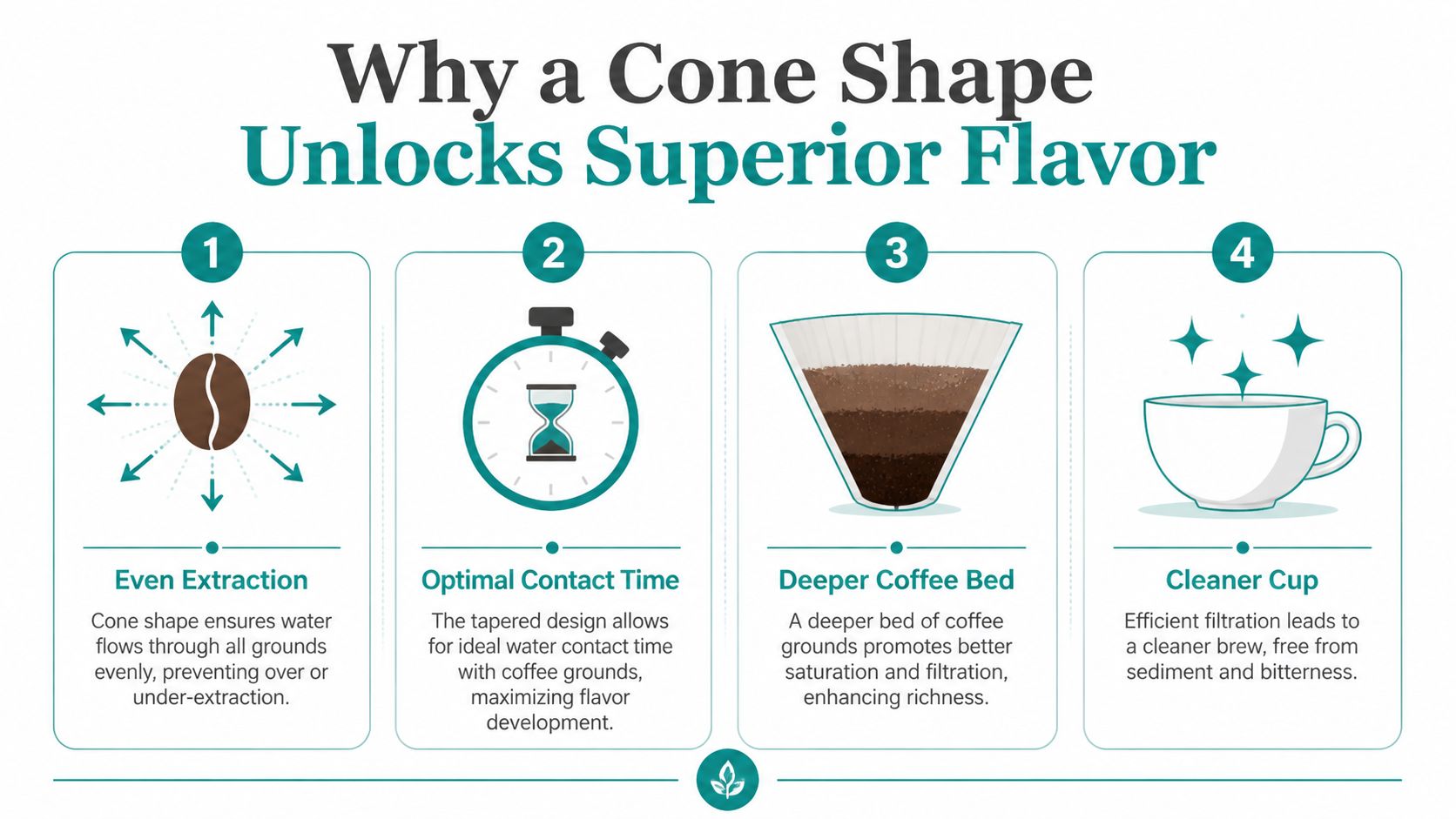
A cone filter changes the brew because it changes the path of the water. That sounds technical, but the idea is simple. Water behaves differently in a deep funnel than it does in a shallow tray.
Think about rinsing sand through a funnel versus a baking sheet. In a funnel, water gathers and moves downward through a deeper pile. In a flat pan, water spreads out and takes a broader path. Coffee grounds respond the same way.
What the geometry actually does
The tapered shape creates a deeper coffee bed. That means water travels through a more concentrated column of grounds instead of skating across a wide, shallow layer.
Breville explains in its guide to coffee filter types that cone filters produce a faster extraction process than flat-bottom filters, and that this accelerated flow produces higher total dissolved solids, or TDS. TDS is a measure of coffee strength, so higher TDS means more flavor compounds reach the cup.
That’s the practical payoff. A cone filter often gives you a cup that tastes more focused and bolder.
Why stronger doesn’t always mean harsher
One source of confusion is that people hear “faster flow” and assume the coffee should taste weaker. But extraction is not just about speed. It’s about how water meets the grounds across the whole bed.
A cone filter can produce a more assertive cup because:
- The bed is deeper: Water pushes through a thicker layer of coffee.
- The flow is directed: The narrow base channels the brew through one exit path.
- The shape promotes repeatability: The machine brews into a form that behaves similarly each time.
If your brewer has decent water distribution, that shape can deliver a more satisfying mug with strong aroma and less muddiness.
Practical rule: If your coffee tastes dull even when the beans are fresh, the basket shape may be limiting the result more than the bean itself.
Where cone filters can go wrong
Cone filters are helpful, but they aren’t magic. They can also expose sloppy technique. In many electric drip machines, you can’t control the water pulse, the pour pattern, or the contact time with the precision you’d get in manual brewing.
That’s why some people get bitter coffee from cone baskets. The shape encourages efficient extraction, and the machine keeps doing its cycle whether your grind is dialed in or not.
Common signs of mismatch include:
- Sharp bitterness: often a clue that the grind is too fine for the machine’s brew pattern
- Weak but bitter coffee: a frustrating combination caused by uneven extraction
- A sour edge with no sweetness: usually a sign that parts of the coffee bed didn’t extract evenly
Why this matters for everyday machine users
A coffee maker cone filter matters most when you want reliable results without fuss. If you use a Ninja DualBrew, Keurig K-Duo, Breville drip machine, or another home brewer with a cone-style basket, the shape is already part of your system. You don’t need barista theater. You need a filter and grind setup that works with the machine you own.
That’s the key advantage. A cone filter gives you a strong platform for better flavor, but only if you treat it as part of the brewing system instead of an afterthought.
Decoding Cone Filter Sizes for a Perfect Fit
Standing in the coffee aisle with a box of filters in your hand, the labels can feel weirdly cryptic. #1, #2, #4, #6. The numbers look simple until you get home, start a brew, and the filter folds in on itself like a paper tent.
That mess usually comes from buying the wrong size.

What the numbers mean
Cone filters use a standardized sizing system. The size tells you what brewer capacity the filter is meant to fit, not how “premium” it is.
According to Pro Coffee Gear’s guide to coffee filter sizes and types, #4 cone filters are the most common option for 8 to 12 cup home coffee makers, and a #4 cone filter has a base width of 2.06 inches.
That’s why #4 filters show up so often in home kitchens. Many popular drip brewers are designed around that size.
What happens when the size is wrong
Using the wrong filter doesn’t just look sloppy. It changes the brew.
If the filter is too small, it can collapse during brewing. Grounds spill over the edge, water bypasses part of the bed, and the cup ends up gritty and uneven.
If the filter is too large, the top can fold awkwardly or block water flow. That can create dry patches in the grounds or make the machine brew unpredictably.
A filter that fits badly doesn’t fail quietly. It shows up in the cup and often all over the basket.
A quick way to check your brewer
Before you buy more filters, use this simple checklist:
- Read the basket shape: If the basket narrows toward the bottom, you need a cone filter, not a flat basket filter.
- Check the manual or basket markings: Many brewers list the filter size inside the removable basket or in the user guide.
- Match size to brewer capacity: If your machine makes a larger household carafe, #4 is often the starting point.
- Watch the first brew: If the paper caves in or rides up the sides, the fit is off.
If you want a closer look at one common size, this guide on coffee filter cone 2 helps show how sizing language works in practice.
Why reusable filters still need the same fit
This trips people up all the time. They assume a metal filter is more flexible because it’s rigid or reusable. It still has to match the basket geometry.
A reusable cone filter made for one basket shape may sit poorly in another. That can leave gaps around the sides, tilt the bed, or interfere with the lid and spray head.
This short video gives a helpful visual reference for basket fit and filter shape in real machines.
The easiest rule to remember
Don’t guess from the box artwork. Match the filter to the brewer.
If your machine takes a #4 cone, stick with a #4 paper filter or a reusable cone filter built to that same standard. That one decision prevents a lot of common brewing headaches before the hot water ever starts.
Paper vs Metal Filters A Head-to-Head Comparison
Once you’ve picked the right size, the next choice shapes the cup in a different way. Do you want paper or metal?
This isn’t a right-versus-wrong decision. It’s a flavor and maintenance decision. Both can make good coffee. They just behave differently.
How the cup changes
Paper filters usually produce a cleaner, lighter-feeling brew. They trap more oils and fine particles, so the cup tastes clearer and looks cleaner.
Metal filters let more natural oils and tiny particles pass through. That often creates a fuller body and a heavier mouthfeel. Some drinkers love that richer texture. Others call it muddy.
If you haven't compared them side by side, picture the difference between orange juice with pulp and strained juice. Neither is automatically better. They deliver a different experience.
Comparison of Paper vs. Reusable Metal Cone Filters
| Feature | Paper Filters | Reusable Metal Filters (e.g., PureHQ Gold-Tone) |
|---|---|---|
| Cup profile | Cleaner, brighter, less sediment | Fuller body, more oils, more texture |
| Daily use | Easy to toss after brewing | Needs rinsing after each use |
| Cleanup | Minimal basket cleanup | More residue left in filter and basket |
| Repeatability | Very consistent when sized correctly | Consistent if cleaned well and fitted properly |
| Waste | Disposable | Reusable |
| Common complaint | Running out of filters | More fines in the cup if grind is too fine |
Which one is easier to live with
Paper wins on convenience. Brew, toss, rinse the basket, done. That’s why busy households and office kitchens often stick with paper.
Metal wins if you want a reusable option and don’t mind a little cleanup. It also makes sense for people who want fewer disposable supplies in the pantry.
The tradeoff is maintenance. A metal mesh filter can collect oils over time. If you only give it a quick rinse forever, old residue starts affecting the next brew.
Metal filters don’t usually fail because they’re reusable. They fail because people stop cleaning the mesh thoroughly.
The most common objection about metal filters
A lot of people say, “Metal filters leave sludge in the cup.” Sometimes they do, but that usually points to one of two issues.
First, the grind may be too fine. Second, the filter may not be fully clean, which can slow drainage and let the bed behave unevenly. If you keep the grind appropriate for the basket and wash the filter well, most of that complaint shrinks fast.
Paper has its own objection. Some drinkers say paper strips out too much body. That’s fair too. If you like a cup with more weight and a slightly more textured finish, paper can feel a little lean.
A simple way to choose
Pick paper if you care most about:
- A clean cup
- Fast cleanup
- Low sediment
- Easy consistency
Pick metal if you care most about:
- A fuller body
- Keeping more coffee oils in the cup
- Reducing disposable filter use
- Long-term reusability
For a more detailed side-by-side look, this article on reusable coffee filter vs paper is a useful companion.
Don’t ignore water quality
No filter material can rescue bad-tasting water. If your tap water carries strong chlorine or off-odors, that flavor shows up in the mug no matter how good your beans are.
That’s why many home brewers pair filter decisions with machine care and water filtration. It’s not glamorous, but it makes the coffee taste more like coffee and less like the kitchen sink.
How to Optimize Your Grind for Cone Filters
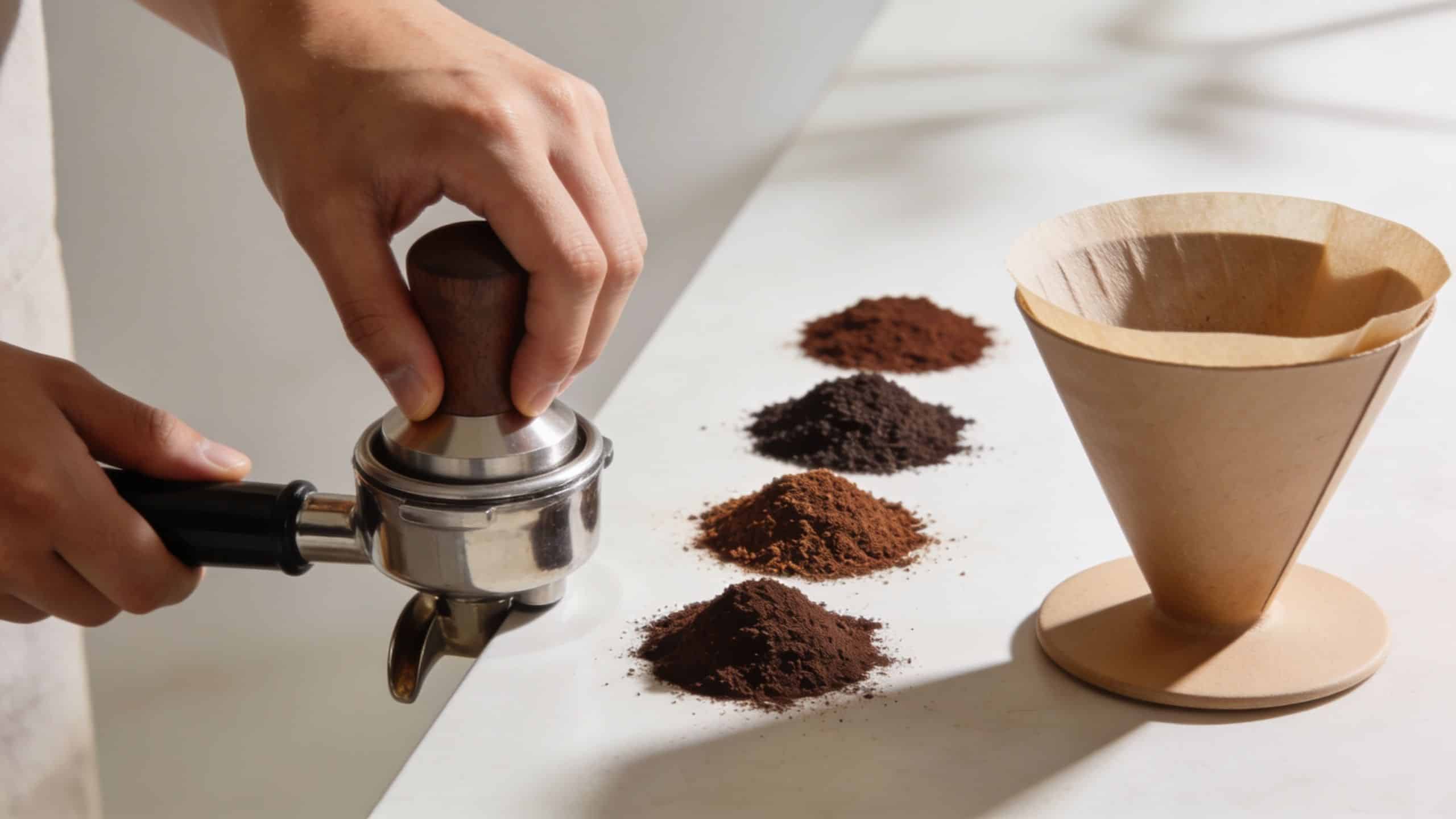
Many electric drip users get stuck at this point. Most coffee advice says “use a medium grind” and moves on. That’s too vague for a cone basket in an automatic machine.
A coffee maker cone filter can extract fast and efficiently. If your grind is too fine, your brewer may push the coffee past sweet and straight into bitterness.
Why electric cone baskets need different thinking
Manual pour-over guides dominate coffee content, but your machine doesn’t behave like a hand-poured brewer. You don’t control the pulse pattern, pour speed, or agitation in the same way.
Muyu Coffee notes in its guide to flat-bottom vs cone-shaped brewers that electric drip machines with cone-shaped baskets often do better with a grind that is 20 to 25% coarser than standard medium. In those automated 3-minute brew cycles, that adjustment can help reduce over-extraction and bitterness.
That advice surprises people because they assume stronger flavor always comes from grinding finer. In a cone basket machine, finer can quickly become too much.
A practical starting point
If your current brew tastes bitter, dry, or harsh, don’t change five things at once. Change the grind first.
Try this approach:
- Keep the same coffee and dose for a few brews.
- Move one step coarser than your usual drip setting.
- Taste for sweetness and finish, not just strength.
- Adjust again only if needed.
If the coffee still tastes sharp, go a little coarser. If it turns hollow or weak, step back slightly finer.
The best grind for a cone filter in an electric machine often looks a little coarser than people expect.
What flavor clues tell you
Use your tongue like a dashboard.
- Bitter and drying: grind is likely too fine
- Watery and empty: grind may be too coarse
- Strong but smooth: you’re getting close
- Sweet with a clean finish: that’s the target
You don’t need lab gear. You need repeatable adjustments.
A simple machine-focused method
Electric brewers reward consistency more than heroics. Here’s a useful home routine:
| Brew result | Likely issue | Next adjustment |
|---|---|---|
| Bitter edge, lingering harshness | Over-extraction | Go slightly coarser |
| Weak but still unpleasant | Uneven extraction | Go coarser and level the bed |
| Flat and thin | Under-extraction | Go slightly finer |
| Balanced and sweet | Close to ideal | Keep the setting |
If you want a broader primer on grind basics and how grind changes can achieve better coffee flavour, that resource gives helpful context.
Don’t copy pour-over recipes blindly
A machine with a cone basket is not a V60 with a power cord. That’s the trap.
Your brewer has a fixed spray pattern, fixed timing, and a fixed basket shape. Work with that reality. A slightly coarser grind often helps electric cone brewers make a rounder, calmer cup without losing flavor.
Maintenance Cleaning and Long-Term Care
A filter can make great coffee for a long time, but only if it stays clean. Old coffee oils go stale. Fine particles clog mesh. Paper filters can pick up odors from the cabinet. None of that is dramatic, but all of it changes taste.
If your brew suddenly tastes dull or faintly rancid, don’t assume the beans are the problem.
Caring for reusable metal filters
Metal cone filters need two kinds of cleaning. The first is daily. The second is deeper and less frequent.
For daily care:
- Rinse right away: Don’t let wet grounds dry into the mesh.
- Use warm water: It removes residue better than a cold splash.
- Check the seam and corners: Oils and fines often hide there.
For deeper cleaning, use a soft brush and wash carefully enough to clear the mesh without damaging it. If flow has slowed or the filter smells stale even after rinsing, it needs more than a quick pass under the tap.
Caring for paper filters
Paper filters are low-maintenance, but they still need proper storage. Paper absorbs moisture and odors easily.
Store them in a dry area away from strong smells like spices, onions, or cleaning products. If the filter smells strange before brewing, the coffee can pick that up too.
Coffee filters are like plain rice. They absorb what’s around them.
Don’t forget the machine around the filter
A clean filter in a dirty brewer still makes compromised coffee. Mineral buildup and old residue inside the machine affect flow and taste.
That’s why regular machine care matters alongside basket care. If you need a practical routine, this guide on how to clean a coffee maker offers a straightforward starting point.
A simple care rhythm
You don’t need an elaborate ritual. A basic routine works:
- After each brew: empty grounds, rinse basket parts, wipe visible residue
- On a regular schedule: deep-clean reusable filters and wash removable parts thoroughly
- Periodically: descale the machine so water flows properly through the whole system
That small bit of upkeep protects flavor and helps your coffee maker cone filter perform the way it should.
Your Cone Filter Questions Answered
Can you reuse a paper cone filter?
You can, but it usually isn’t a good idea. Used paper weakens, holds old oils, and can tear or collapse more easily on the next brew. Fresh paper gives you a cleaner and more predictable result.
Why does my cone filter fold over while brewing?
The most common cause is poor fit. A filter that’s too small can collapse. One that’s too large can bunch up and interfere with water flow. Make sure the size matches your basket shape and brewer capacity.
Do white and brown paper filters taste different?
Some drinkers notice a difference, others don’t. The bigger issue is whether the filter is fresh and stored well. Paper that has absorbed pantry odors can affect taste more than color does.
How do I know if a reusable metal cone filter will fit my machine?
Match the filter to your brewer’s basket shape and size standard. Don’t assume “universal” means perfect. Check the machine manual, basket dimensions, and product compatibility notes before buying.
Why does my coffee taste bitter in a cone basket machine?
In many home brewers, bitterness points to a grind that’s too fine for the machine’s brew cycle. Cone baskets can extract quickly, so a slightly coarser grind often helps.
Why is my coffee weak even though I use a cone filter?
A cone filter doesn’t guarantee strong coffee by itself. Weak coffee can come from too coarse a grind, too little coffee, stale beans, or water bypass caused by a poor filter fit.
Is paper or metal better for a cleaner cup?
Paper usually gives the cleaner cup because it traps more fine particles and oils. Metal usually gives more body and texture.
The Simple Path to a Better Brew
Better coffee often comes from a smaller change than people expect. You don’t always need a new grinder or a new machine. Sometimes you need to understand the coffee maker cone filter you already use.
The shape affects flow. The size affects fit. The material affects body and clarity. In an electric drip machine, the grind has to match all three. Once those pieces line up, your coffee stops tasting random and starts tasting intentional.
If you like a cleaner cup, use the right paper filter and store it well. If you want more body, use a properly fitted metal filter and keep it clean. If your machine uses a cone basket, don’t rely on generic “medium grind” advice. Adjust for the brewer you own.
That’s how you get a better mug without making home coffee feel complicated.
If you’re ready to upgrade your daily brew, shop PureHQ Inc. for reusable coffee filters, water filters, descaling solutions, and other coffee machine accessories built to help home brewers get cleaner, more consistent results.

