
Coffee Machine Care
Water Filter Jug Price: What to Expect in 2026
Jul
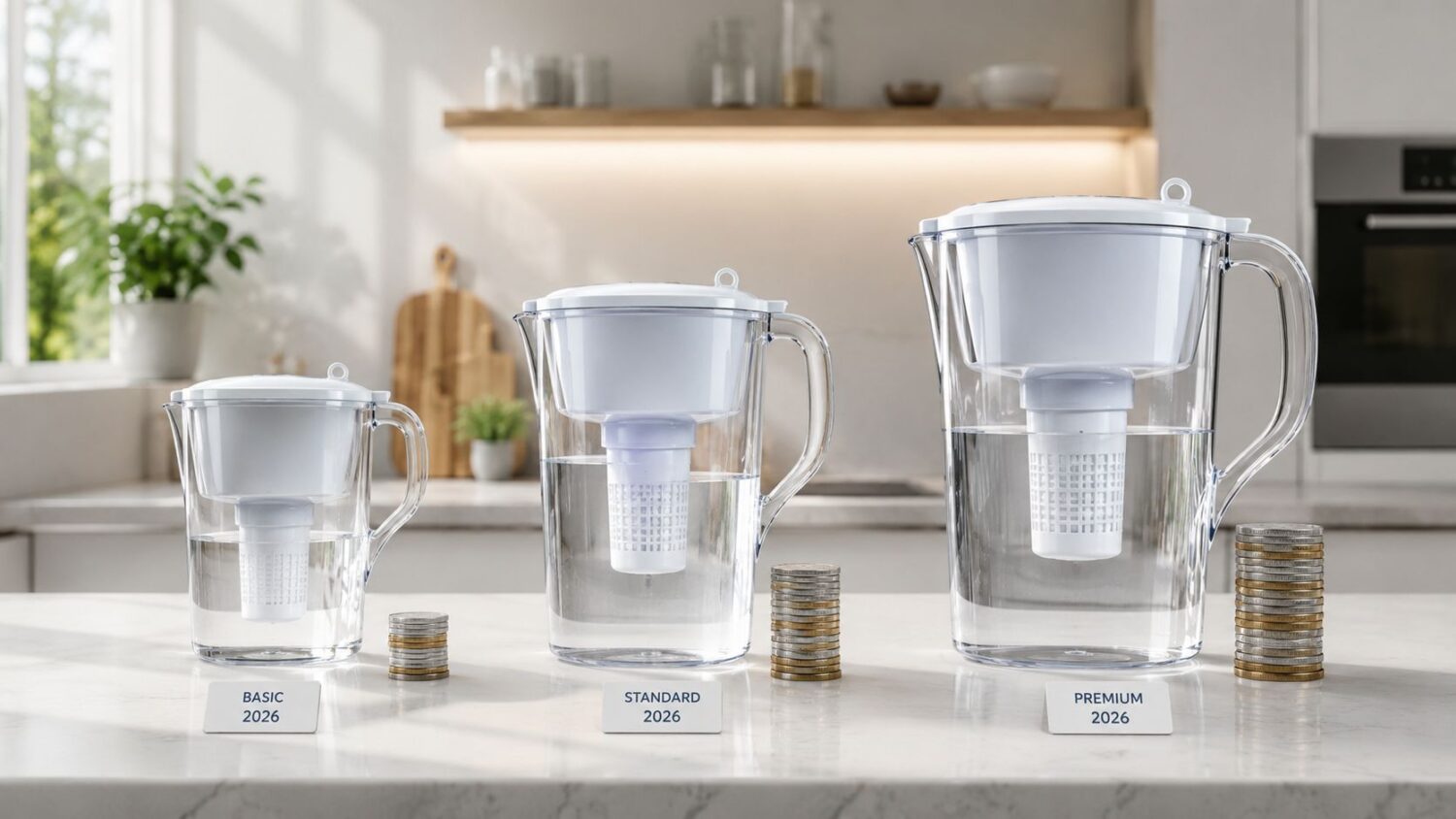
A typical water filter jug price in 2026 is roughly US$10 to US$50 for the jug itself. The cost comes from replacement cartridges, because the jug is only the entry ticket.
Shoppers keep staring at the shelf price and miss the bill that follows. In the UK, that mistake is common enough to matter, with Statista reporting that 430,000 people in Great Britain spent under £20 on water filter jugs in 2023, while Tesco's 2.4-litre jug sits at £8.00 and historical tracking for the same item shows a “usually” price of £12.95 and a high of £15.99 Statista data on UK jug spending and pricing. That's the trap, the jug looks cheap, then filters turn it into a recurring consumables purchase.
The right way to buy one is to treat it like coffee machine maintenance. If you already pay for descaling, reusable pods, cleaning tablets, and replacement parts for a Keurig or Ninja, you already understand the only number that matters, the cost per filtered liter. Ignore that, and a bargain jug can become the expensive choice.
Why the Jug Sticker Price Is Misleading
The water filter jug price on the shelf is usually not the number that decides whether you'll be happy six months later. The jug is the container, but the filter is the engine, and that engine keeps running through replacement cartridges, bulk packs, and shorter life cycles.
A cheap jug with expensive filters looks like a win until you use it. Expert Reviews says jugs usually cost about £9 to £25 upfront and £5 to £8 per filter, while TapWater.uk argues that the jug price is “almost irrelevant” compared with annual filter cost, with a three-year total of about £128 for a low-cost Aqua Optima setup versus £400 for ZeroWater because cartridges burn out faster Expert Reviews comparison of jug and filter costs. That's the whole game, the sticker price gets attention, the cartridge bill decides ownership cost.
What buyers usually miss
Practical rule: if a jug looks cheap but uses fast-wearing cartridges, you're not buying a cheap system, you're buying a low upfront payment plan.
That matters even more if you're already maintaining a coffee setup. Keurig and Ninja owners know that a machine can look affordable until you add descaling cycles, reusable pods, and cleaning supplies. Water filtration works the same way, the shelf price gets you in the door, but the long-term spend shows up in consumables.
If you want a simple mental test, use this one, not a brand name or a glossy label. Ask how often you'll replace filters, how much each replacement pack costs, and how many liters you'll drink in a month. If those answers are vague, the product page is hiding the price.
What Actually Drives the Water Filter Jug Price
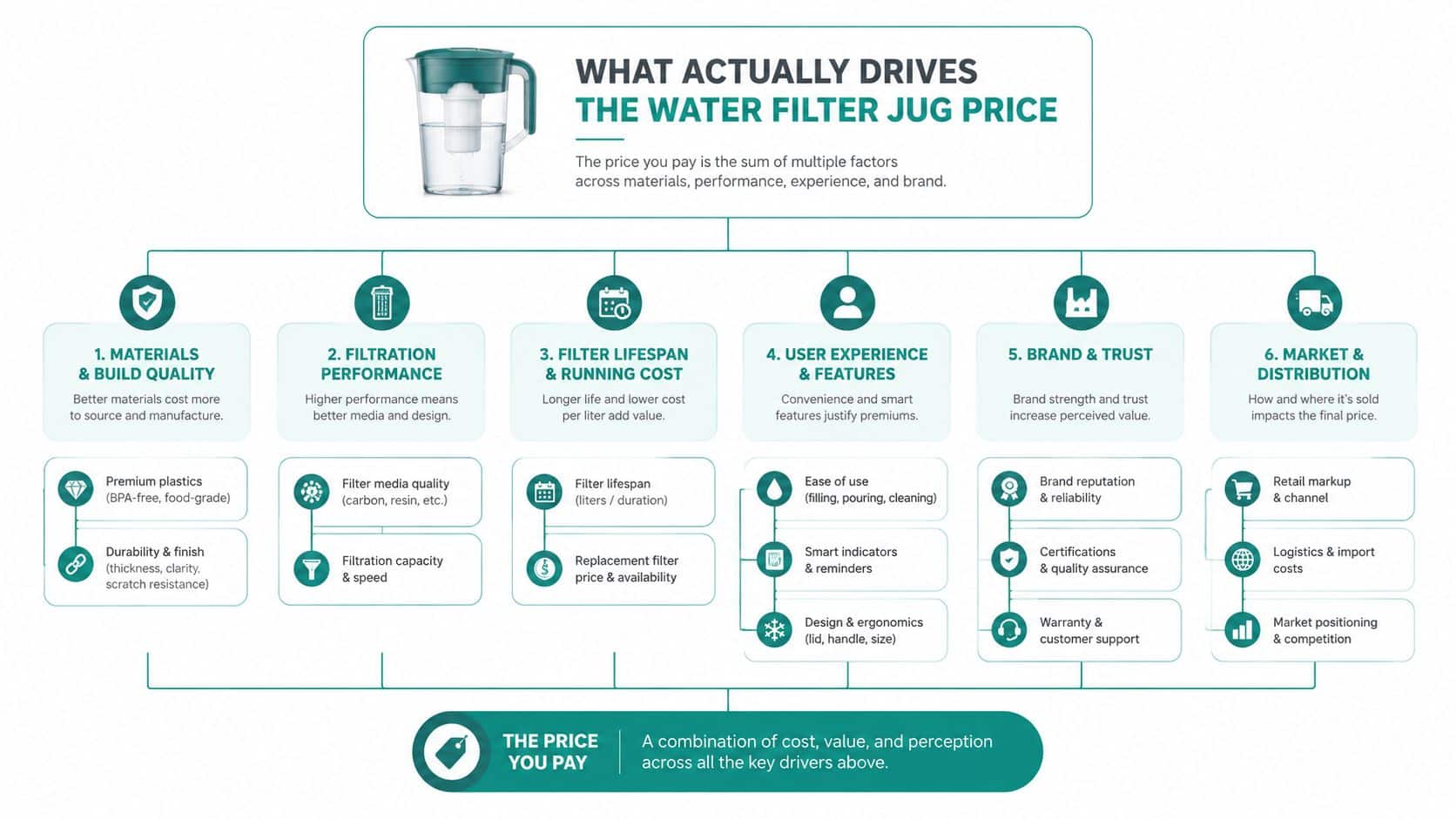
The listed water filter jug price comes from a few predictable inputs, and the shelf tag only tells part of the story. Capacity, filter media, brand positioning, cartridge life, and the cost of replacements all push a jug into a different price band.
Filter media and cartridge design
Activated carbon is the base layer in most pitchers, but the cartridge formula changes what you pay. Ion-exchange resin adds cost when a jug is built for limescale-heavy water, and specialty blends for harder contaminant reduction sit higher again. Two jugs can look nearly identical and still sit in very different price brackets because the cartridge inside is doing different work.
Capacity and build
A small fridge-friendly jug usually costs less than a larger family pitcher because the body is smaller and the cartridge system is often simpler. The plastic or glass shell affects the sticker price, but it is not the main driver. The cartridge and how long it lasts matter more than the container around it.
Brand positioning and retail tier
Brand names affect price because retailers price trust. A store-label jug can be cheaper, while BRITA-style and premium-format pitchers usually sit higher because buyers expect broader support and more predictable replacement availability. That difference matters most when the jug is sold as part of a branded system rather than as a generic container.
Certifications and performance claims
If you are paying more, ask what performance claim justifies it. Certification work and testing raise manufacturing cost, and that shows up in the shelf price. Focus on what the cartridge is designed to do and what water conditions it is meant for, not on marketing language.
A good example is lead-focused filtration, which PureHQ covers in its guide on water filter pitcher lead removal for safer, better coffee. That kind of detail matters because the right jug is not the most expensive one, it is the one that matches your water problem and your coffee setup.
If the cartridge life is vague, walk away. A vague spec sheet usually means a vague ownership cost. That matters just as much for Keurig and Ninja owners who already pay for descaling, cleaning supplies, and other machine care. If you hear repeated leaks around the sink or the plumbing, that is the point to check when to call a plumber for leaks, because a filtration purchase should not distract you from a real water problem.
Replacement Filters and the True Cost Per Liter
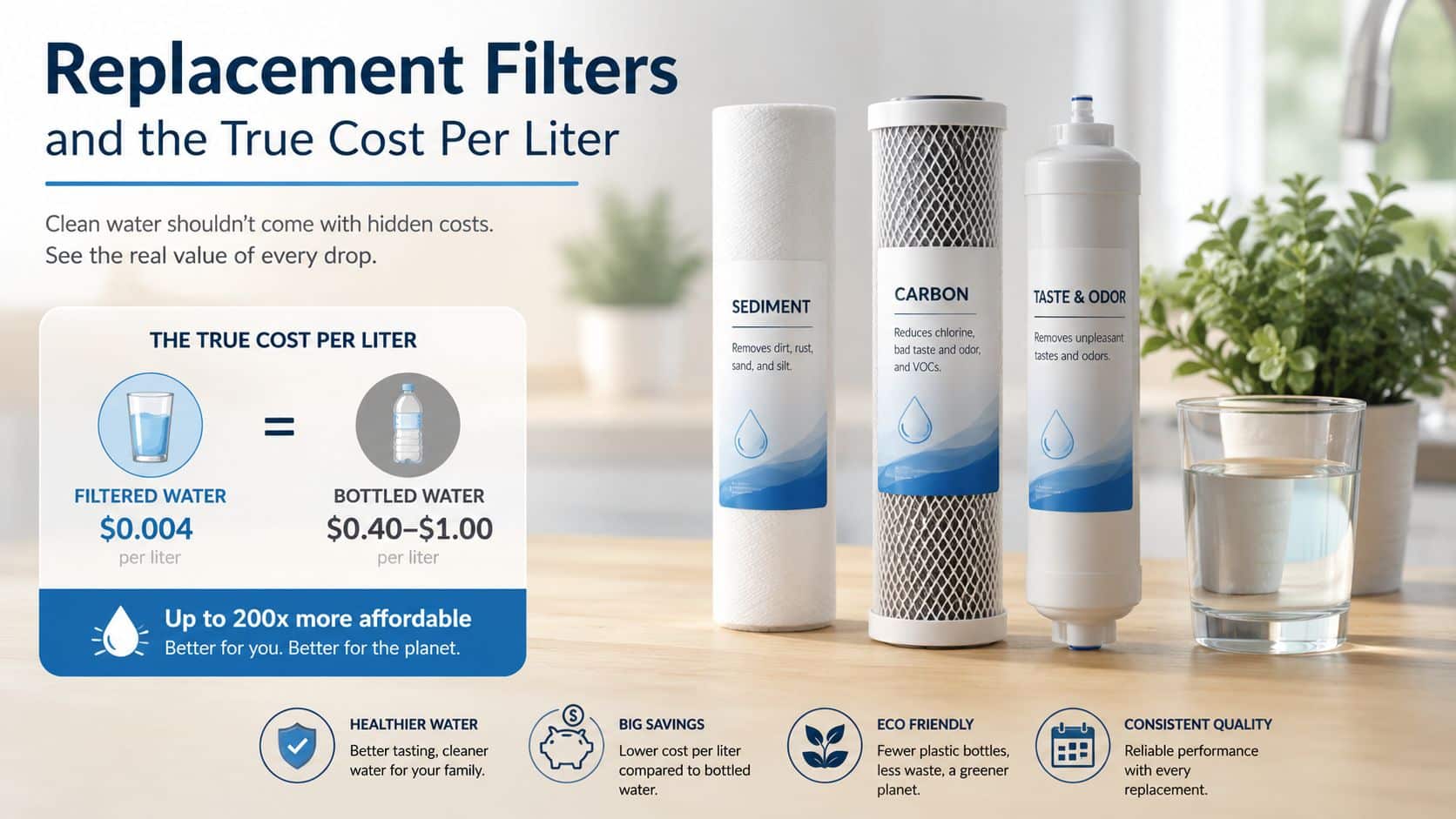
The smartest way to judge a water filter jug price is to divide the cartridge cost by the liters it can filter. That gives you the number the shelf tag hides, and it's the number that decides whether a jug is cheap or annoying.
The calculation that matters
Use this formula, cartridge price divided by filter life in liters equals cost per liter. If a cartridge costs $7 and filters 100 L, the cost is $0.07 per liter. If a cartridge costs $12 and filters 300 L, the cost drops to $0.04 per liter, even though the cartridge price is higher.
That is the right comparison because a cheaper cartridge can still be more expensive over time if it runs out fast. Philips lists a 0.3 L/min flow rate and a 1-month filter lifetime for a 2.6 L jug, which shows how convenience and replacement cadence can trade off against long-term cost Philips jug specifications. Fast flow is nice, but frequent replacement pushes the annual spend up.
Use your own household demand
Household size changes everything. Consumer Council Hong Kong found jug filters were the cheapest household filtration option in its comparison, with device prices of about HK$260 to HK$640 and first-year costs of about HK$410 to HK$1,140 when upkeep was included Consumer Council Hong Kong comparison. It also warned that a four-member household using about 8 litres a day could see annual cost rise to roughly HK$1,010 to HK$3,722. The message is simple, usage volume can flip the economics.
What to do before you buy
- Check cartridge life first. A jug with a longer-life filter often beats a cheaper jug with short cycles.
- Estimate weekly use. If you fill the jug constantly, replacement frequency matters more than the sticker price.
- Ignore the marketing gloss. The per-liter cost tells you more than a polished photo ever will.
How a Filter Jug Compares to Other Filtration Options
A jug is only one option, and it should be judged against the alternatives before you buy. If you are comparing a water filter jug with faucet-mounted filters, undersink systems, or bottled delivery, the decision comes down to convenience, filtration depth, and what you keep spending after the first purchase.
Household Filtration Options at a Glance
| Option | Upfront Device Cost | Annual Consumables | Filter Life | Best For |
|---|---|---|---|---|
| Water filter jug | Low to moderate | Moderate to high depending on cartridge life | Short to medium | Renters, small kitchens, low-friction use |
| Faucet-mounted filter | Moderate | Moderate | Medium | Users who want instant filtered water without a pitcher |
| Undersink reverse osmosis | High | Moderate | Long | Homes that want deeper treatment and are willing to install hardware |
| Bottled water delivery | Ongoing subscription | High over time | Not applicable | Convenience-first buyers who don't want maintenance |
The table makes the trade-offs obvious. Jugs win on portability, no installation, and a lower entry cost. Undersink systems win when you want a permanent setup and can handle installation and service. Bottled water loses on practicality for most homes because you keep paying for delivery instead of owning a filter.
If you want a broader look at pitcher models before you decide, the water filter pitcher reviews are useful as a starting point, but the main comparison still comes down to how much filtered water you use. For countertop alternatives, the best counter top water filter sits between the jug and the undersink system, but it still asks for more commitment than a basic pitcher.
For Keurig and Ninja owners, that matters. If you already buy descaling supplies and clean your machine on a schedule, a jug fits the same maintenance mindset. It gives you a simple way to improve water quality without moving into plumbing work, and that matters more than a cheap-looking price tag.
The right choice is plain. A jug makes sense when your main goal is better taste, low hassle, and a modest budget. A more advanced system makes sense when you want longer filter life and broader treatment. For coffee, that difference shows up in the cup fast, because the brewer can only work with the water you pour into it.
When a Cheap Jug Becomes the Expensive Choice
A low water filter jug price can backfire in hard-water regions because the cartridge wears out faster and costs pile up. That is the point many buyers miss, they compare the jug body and ignore the water conditions it has to handle.
Good Housekeeping warns that filters can get expensive and may need changing quite often in very hard water, while Which? stresses that performance depends on cartridge economics and local water conditions Good Housekeeping hard-water filter guidance. If your kettle fills with limescale quickly, your jug is fighting harder water than the average marketing page assumes.
A simple self-test
If you see limescale in your kettle, around your tap, or on shower fittings, you are not shopping in a soft-water market. In that case, a bargain jug with short-life cartridges can become the wrong buy because it keeps asking for replacements. A higher-tier jug with better cartridge life or specialty media starts to make more sense because the ongoing cost is lower.
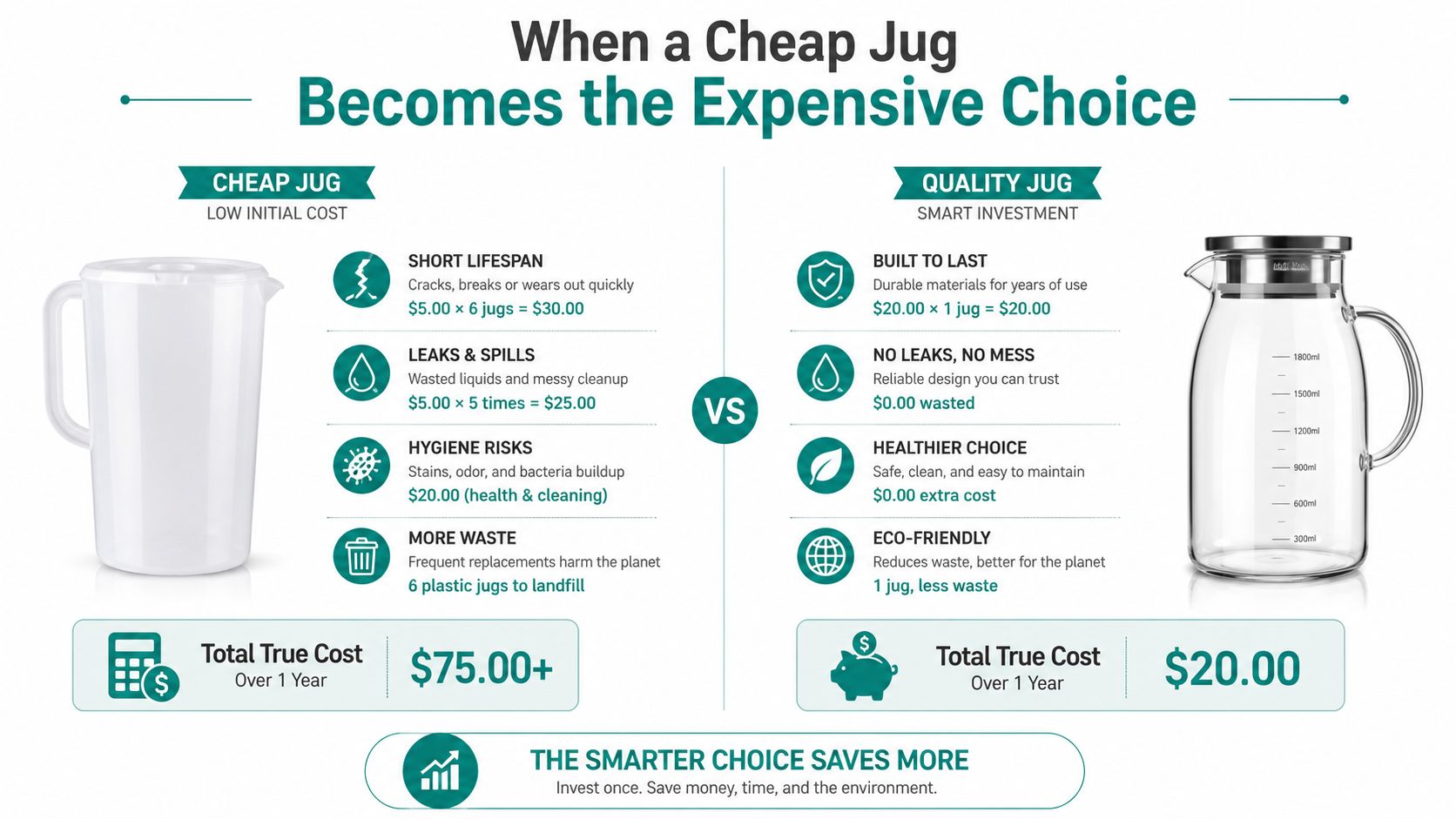
The cleanest way to think about it is by water hardness tier. Soft-water homes can stay in the budget bracket. Medium-hardness homes should move toward midrange jugs with clearer cartridge specs. Hard-water households should stop chasing the cheapest body and pay for longer cartridge life, because that's where the savings show up.
My rule: if the kitchen already needs descaling more often than you'd like, buy for filter life, not for the cheapest plastic shell.
Where to Buy and How to Save on Filters
Buying channels matter because cartridge pricing changes across sellers, and the cheapest jug is not always the cheapest refill ecosystem. In 2026, shoppers will keep finding jugs and replacement packs on Amazon, big-box retailers such as Walmart and Target, direct brand sites, and membership warehouses.
The fastest savings come from buying refills in multipacks. That lowers the per-filter cost and reduces the odds that you'll end up paying panic prices when your last cartridge is spent. Subscription programs can help too, especially when you know your replacement rhythm and don't want to keep reordering by hand.
Practical move: buy the jug once, then treat filters like pantry staples. The people who save most are the ones who stop buying cartridges one at a time.
Promo timing matters as well. Black Friday and Prime Day are the obvious periods to watch because filter packs and accessory bundles often surface then. If you're maintaining a coffee station, bundle buying becomes even more useful, because filter replacements and descaling supplies usually belong in the same cart.
PureHQ also sells water filtration items alongside descaling and cleaning products, so the value is in keeping the whole brewing setup on one maintenance cycle. That's useful for people who already care about Keurig or Ninja upkeep, because the cheapest filter is the one that doesn't create another maintenance headache.
Why Filtered Water Matters for Keurig and Ninja Machines
A jug's value gets clearer when you connect it to the machine sitting on your counter. Keurig owners, especially those using K-Classic, 2.0, K-Supreme, K-Slim, or K-Duo models, know that mineral-heavy tap water leaves scale behind and makes the machine work harder over time. Ninja DualBrew and Breville espresso users run into the same basic problem, hard water changes taste and increases cleaning pressure.
Why the brew tastes better
Filtered water gives the brewer softer input water the next morning, and that usually means less scale and cleaner extraction. For reusable stainless steel pods, it also cuts down on mineral spotting and residue that builds up from repeated use. Coffee isn't just beans and pressure, it's water chemistry, and bad water makes decent coffee taste flat.
Why maintenance gets easier
If you fill the jug the night before, you're not scrambling in the morning with tap water that already tastes harsh or mineral-heavy. That small habit reduces how often you need to descale and helps keep the machine cleaner between cycles. It's a simple maintenance habit, not a luxury upgrade.
For coffee owners, that makes accessories part of the same purchase logic. Replacement filters, descaling tablets, and reusable pods all work together, and PureHQ's lineup sits in that practical zone rather than the flashy one. The point is not to own more gear, it's to keep the brewer running cleanly and predictably.
Choosing the Right Jug and Getting Started
The safest recommendation is tiered, not one-size-fits-all. If you're a renter or a single-person household in soft water, stay under $20 and buy a no-fuss jug with clear cartridge replacement guidance. If you're a family or a Keurig or Ninja owner in a medium-hardness region, spend around $30 to $45 so you can get better capacity and longer-life cartridges. If you live in hard water or you care about coffee consistency, move above $50 and look for glass construction or specialty cartridges.
The most common objection is leaks, and it's a fair one. Jugs can leak when the cartridge isn't seated properly or when the lid gets overfilled, so look for secure-fit lids and a handle that gives you control when the jug is full. That matters more than a glossy design.
A larger jug also makes sense when your household drinks filtered water all day instead of only at meals. PureHQ's guide to choosing a large water filter jug fits that use case because capacity and replacement schedule are key buying variables, not the photo on the box.
My blunt advice is simple, buy the jug that matches your water, your household size, and your cartridge life, not the cheapest one on the shelf. If you're already investing in coffee care, treat filtered water as part of the same system, because it is.
PureHQ Inc. sells water filtration accessories, reusable K-Cups, and maintenance items that fit the same practical routine as a good jug. If you want to keep your Keurig, Ninja, or other home brewer running cleaner with less scale and better-tasting water, visit PureHQ Inc. and shop the filtration and care essentials that match your setup.

