
Coffee Machine Care
Keurig Coffee Makers Accessories A Complete Guide
Apr
Your Keurig probably still makes coffee fast. That doesn’t mean it’s making coffee well.
A lot of owners end up in the same place. The machine works, but the cup feels off. Some mornings it tastes flat. Other mornings it tastes harsh. Then there’s the running cost of disposable pods and the nagging pile of used plastic on the counter. The frustration usually gets blamed on the brewer.
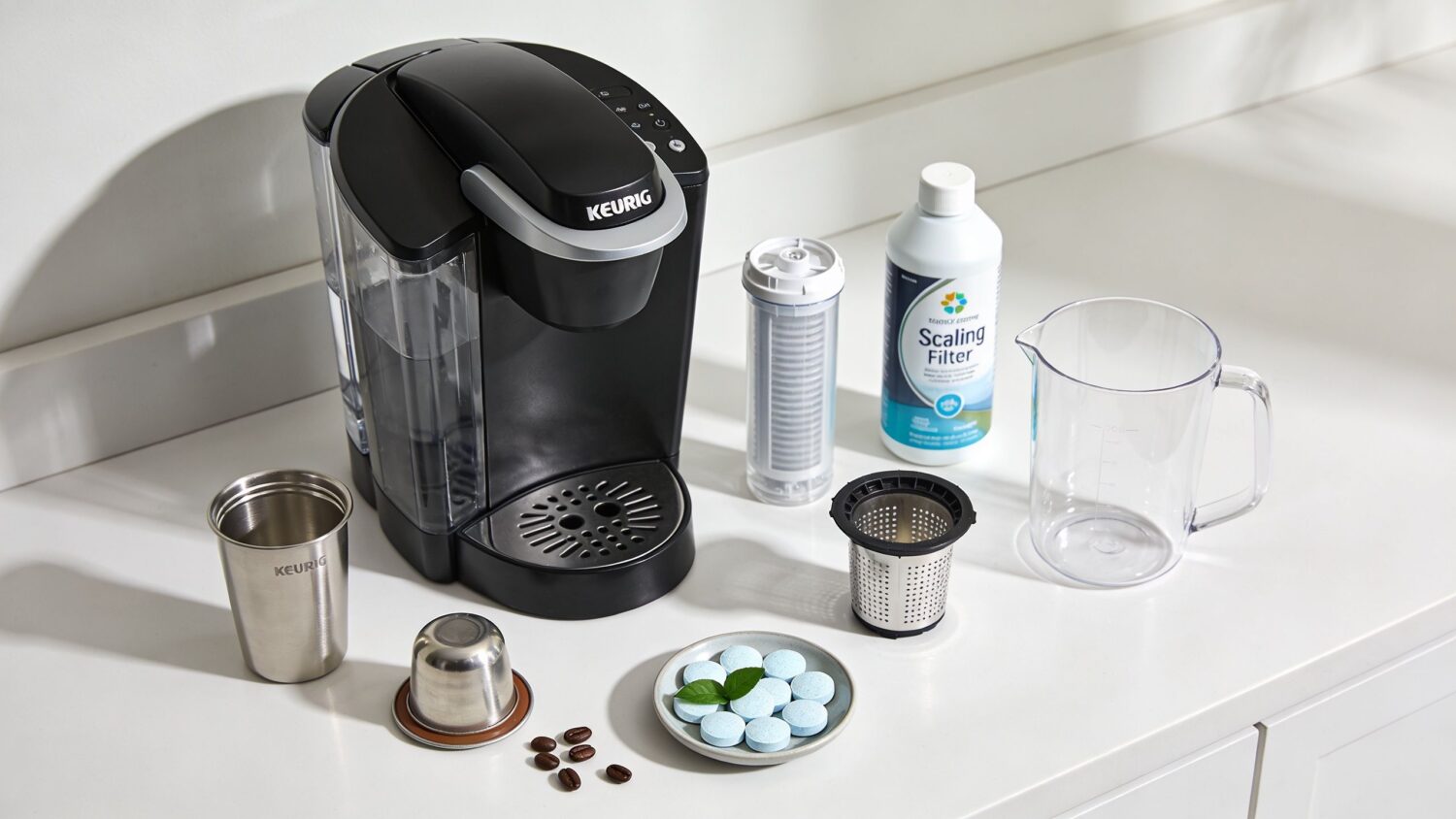
Frequently, the brewer itself isn't the problem. The missing piece is the accessory setup around it. The right keurig coffee makers accessories change how the machine handles water, extraction, and maintenance. That’s what fixes the cup.
Is Your Keurig Secretly Disappointing You
The first sign is usually subtle. You brew a cup before work, take a sip, and realize you’re drinking it because it’s convenient, not because it’s good. By the end of the week, the annoyances stack up. Pods feel expensive. The flavor feels inconsistent. Cleaning gets pushed off because the machine still turns on, so it must be fine.
That gap between expectation and reality didn’t happen because single-serve coffee failed to catch on. It exploded. According to Keurig market history on Wikipedia, coffee pod machine sales multiplied more than six-fold between 2008 and 2014. By 2010, Keurig and K-Cup sales had reached $1.2 billion, and by fiscal year 2014, brewers and accessories generated $822.3 million while K-Cup pods alone generated $3.6 billion. That’s exactly why accessories became such a big part of the system. Once millions of people had machines on their counters, they started looking for ways to improve taste, reduce hassle, and get more value out of each brew.
The three complaints that keep showing up
Most Keurig disappointment comes down to the same cluster of issues:
- Weak or bitter flavor: The cup tastes watered down or oddly sharp, even with pods you used to like.
- Too much ongoing spend: Buying pods over and over feels fine at first, then starts to feel like a subscription you never meant to sign up for.
- Visible waste: A small machine can create a surprisingly large amount of trash if every cup uses a throwaway pod.
Practical rule: If your machine is convenient but your coffee isn’t satisfying, start with accessories before you replace the brewer.
The fix is usually simpler than people think
Most Keurig owners don’t need a new coffee maker. They need better control over what goes into the machine and what stays inside it. A reusable pod changes the coffee itself. A water filter changes the taste before brewing even starts. Descaling and cleaning products remove the buildup that gradually drags performance down.
That’s the useful way to think about keurig coffee makers accessories. They aren’t decorative add-ons. They solve the three most common complaints people have after the honeymoon period ends.
Why Your Coffee Tastes Bad And How Accessories Fix It
You press brew, hear the machine do its thing, and still end up with a cup that tastes flat, bitter, or oddly stale. That usually points to a fixable problem, not a bad coffee maker.
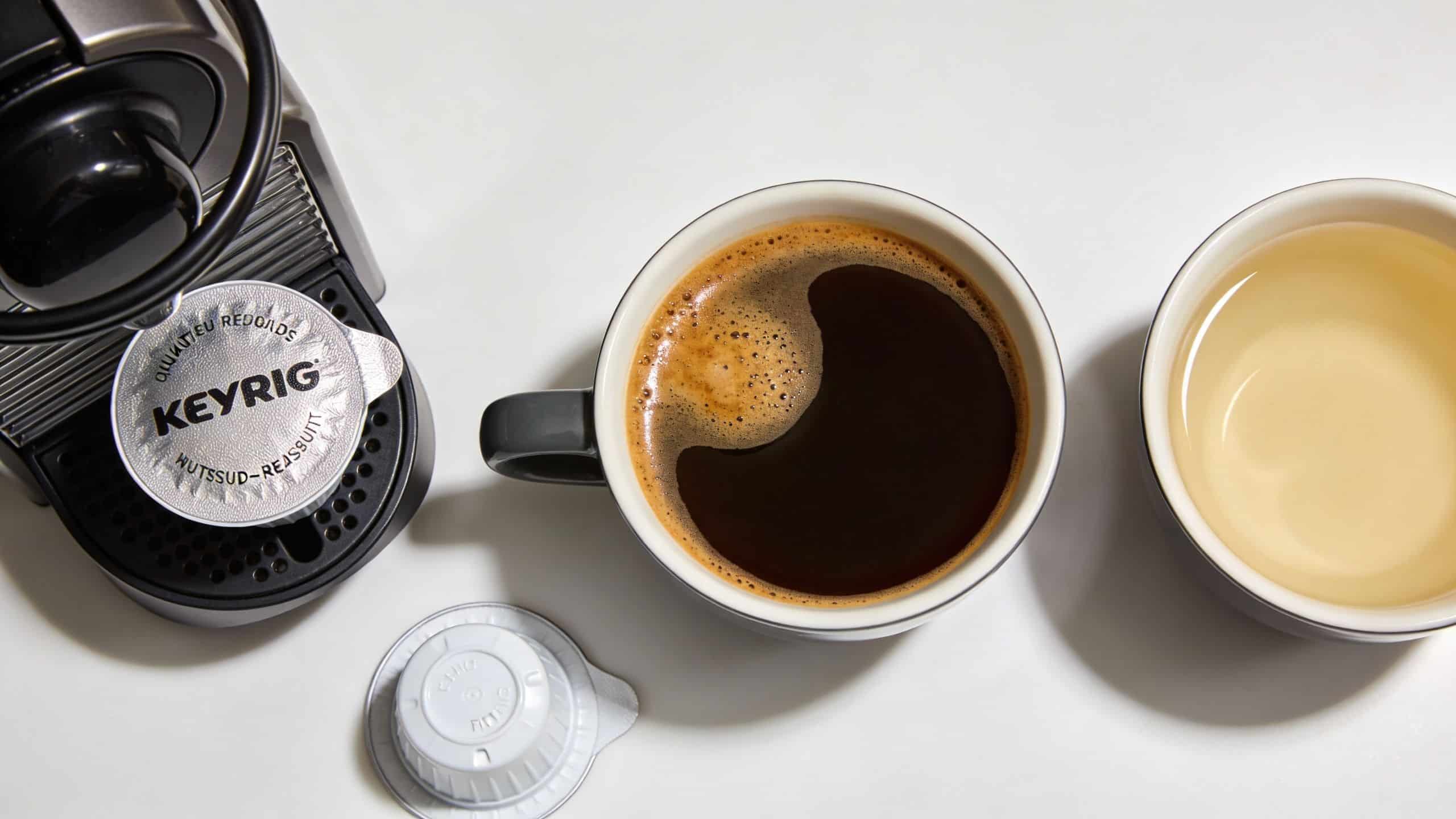
With Keurig brewers, bad taste usually comes from three places: poor water, weak extraction, or buildup inside the machine. Accessories help because each one fixes a specific failure point. That matters more than buying random add-ons and hoping one improves the cup.
Water quality can ruin the cup before coffee even touches it
If your tap water smells like chlorine or leaves white residue on the kettle, your Keurig will brew that into the mug. Pods can hide some flaws, but they cannot cover bad water completely.
A basic water filter setup is often the fastest taste upgrade. The holder, retainer, and charcoal filter reduce the off-notes that make coffee taste dull, chemical, or muddy. I have seen people blame a favorite pod for “going downhill” when the actual issue was the water in the reservoir.
Start there if every roast tastes a little off.
Extraction problems show up as weak, sour, or bitter coffee
Keurig machines brew fast. Convenience is the whole point. The trade-off is that fast brewing leaves less room for error with pod design, grind quality, and coffee freshness.
This is one reason reusable accessories matter. A well-made reusable pod gives you more control over the coffee itself and how water passes through it. Fresh grounds usually taste better than coffee that has been sitting in a sealed pod for months. Pod construction matters too. If the mesh is too fine, water struggles to pass through. If it is too coarse, water rushes through and the cup tastes thin.
Cheap reusable pods often miss this balance. The result is uneven extraction, weak body, or a muddy cup with sediment at the bottom.
If you are trying to sort out whether the problem is over-extraction, stale coffee, or water quality, this explanation of why coffee tastes bitter does a good job breaking down the specific causes.
For broader context on how pod systems are built and why they behave differently from traditional drip brewing, Allied Drinks Systems' coffee pod info is a useful reference.
Residue inside the machine changes flavor slowly
This is the part many Keurig owners miss because the brewer still turns on and still makes coffee.
Coffee oils cling to internal parts. Mineral scale builds up in the water path. Over time, that combination affects heat, flow, and taste. The cup starts tasting harsher or more stale, and many people assume they need stronger pods when the machine really needs cleaning.
A maintenance accessory is not exciting, but it solves a real problem. Descaling solution clears mineral buildup. Cleaning pods and rinse tools help remove old residue that keeps showing up in the flavor.
The shortest path to better coffee
You do not need ten accessories. You need the right three for the problem you have.
- Add a water filter if the coffee tastes strange across every pod and roast.
- Use a better reusable pod if the cup tastes weak, thin, or inconsistent and you want more control.
- Descale and clean the brewer on schedule if the machine used to taste better than it does now.
That is the practical way to fix a disappointing Keurig. Improve the water. Improve the extraction. Clean the machine. The right accessories solve bad taste at the source, and they usually cost a lot less than replacing the brewer.
The Ultimate Guide to Reusable K-Cups
You brew a cup before work, take a sip, and get that familiar Keurig letdown. It is drinkable, but not great. Then you look at the box of pods you keep rebuying and the pile of used plastic in the trash. A reusable K-Cup fixes all three frustrations at once. It gives you more control over flavor, lowers your cost per cup, and cuts a lot of the waste that comes with single-use pods.
For plenty of Keurig owners, this is the accessory that transforms the daily experience.
Why reusable pods solve a real problem
Prefilled pods are built for convenience first. That convenience has a cost. You are locked into the coffee inside the pod, the fill amount, and the grind choice someone else made for you.
A reusable pod puts those decisions back in your hands. You can use a coffee you already like, adjust strength without guessing, and stop chasing a better pod flavor from brand to brand. If your Keurig has been making coffee that tastes flat, thin, or oddly harsh, a reusable K-Cup is often the fastest way to find out whether the problem is the pod, not the brewer.
If you want background on how pod systems became so common in the first place, Allied Drinks Systems' coffee pod info is a useful primer.
What separates a good reusable K-Cup from a frustrating one
Reusable pods are not all equal. I have tested enough of them to say the bad ones fail in predictable ways. They leak around the lid, fit loosely, trap wet grounds in hard-to-clean corners, or brew a cup that tastes weak no matter what coffee you use.
Check these points before you buy:
- Model-specific compatibility: “Fits Keurig” is not enough. Some brewers are picky about pod height, lid shape, and how the pod seats inside the holder.
- A firm lid with a real seal: If the top flexes or closes unevenly, expect drips and messy grounds.
- Even filtration: Fine mesh or well-placed perforations help water pass through the bed of coffee instead of tunneling through one spot.
- Easy cleanup: If grounds get stuck under the hinge or inside the rim, daily use gets old fast.
One quick clue matters more than people expect. After brewing, open the pod and look at the grounds. An evenly saturated puck usually means the pod design and fill level are in the right range. A deep crater or sloppy overflow usually means something is off.
How to get a better cup from a reusable pod
The biggest mistake is overfilling. People want stronger coffee, so they pack the pod tight and expect better results. What they often get is slower flow, uneven extraction, and a cup that tastes both weak and bitter.
A better routine is simple:
- Start with a medium grind: Espresso-fine coffee tends to clog reusable pods. Coarser drip grind can run too fast.
- Fill to the pod’s line or just below the rim: Leave space for water to move through the grounds.
- Level the coffee instead of tamping it down: Reusable K-Cups need airflow and water movement more than compression.
- Match brew size to the amount of coffee: A small reusable pod brewed on the largest cup setting often tastes diluted.
For a practical setup guide, these tips for the best taste and performance using reusable K-Cups walk through the adjustments that make the biggest difference.
Cost, waste, and the trade-off nobody mentions
Reusable pods save money over time, especially if you brew several cups a day. They also cut down on the stream of used pods that adds up surprisingly fast in a week.
The trade-off is cleanup.
You save on pod purchases, but you spend a little more effort filling, rinsing, and dialing in your coffee. For some people, that extra minute is well worth it because the cup tastes better and the ongoing cost drops. For others, it only makes sense for the morning cup they care most about, while disposable pods still handle speed and convenience later in the day.
That is a realistic way to use them. You do not have to go all in for a reusable K-Cup to be worth owning.
Pairing reusable pods with the right support accessories
Fresh coffee in a reusable pod helps, but it cannot correct every issue by itself. Water quality still affects flavor, and poor fit still creates mess.
PureHQ Inc. offers Keurig-compatible water filters and reusable K-Cups for several brewer lines. That combination is useful if you want to improve both the coffee going in and the water moving through it. A better reusable pod handles extraction. A proper filter helps keep odd-tasting water from undercutting the result.
Troubleshooting the two complaints that come up most
| Problem | Likely cause | What to change |
|---|---|---|
| Leaking or overflow | Pod is overfilled, warped, or not seated correctly | Reduce fill level, confirm model fit, and inspect the lid and seal |
| Weak coffee | Grind is too coarse, dose is too low, or brew size is too large | Use a medium grind, add a little more coffee, and choose a smaller cup setting |
A good reusable K-Cup gives you control that disposable pods never will. If your Keurig coffee is costing too much, tasting mediocre, or creating more waste than you like, this is the accessory that fixes the problem instead of covering it up.
PureHQ vs Generic Accessories A Clear Comparison
You see the difference between premium and generic accessories at 6:30 a.m., when you want one clean cup and the pod starts leaking around the edges.
Cheap accessories usually fail in small, annoying ways. A lid needs extra pressure to close. The mesh holds onto old grounds. The pod fits one brew fine, then sits crooked the next day. That inconsistency is what ruins confidence in a Keurig setup. People blame the brewer, but the accessory is often the weak point.
Reusable pods live inside a tight brewing system. If the shape is slightly off or the seal is sloppy, water does not move through the coffee the way it should. The result is familiar. Weak coffee, overflow, or grounds where they do not belong.
What actually changes in daily use
The question is simple. Does the accessory solve a problem, or add a new one?
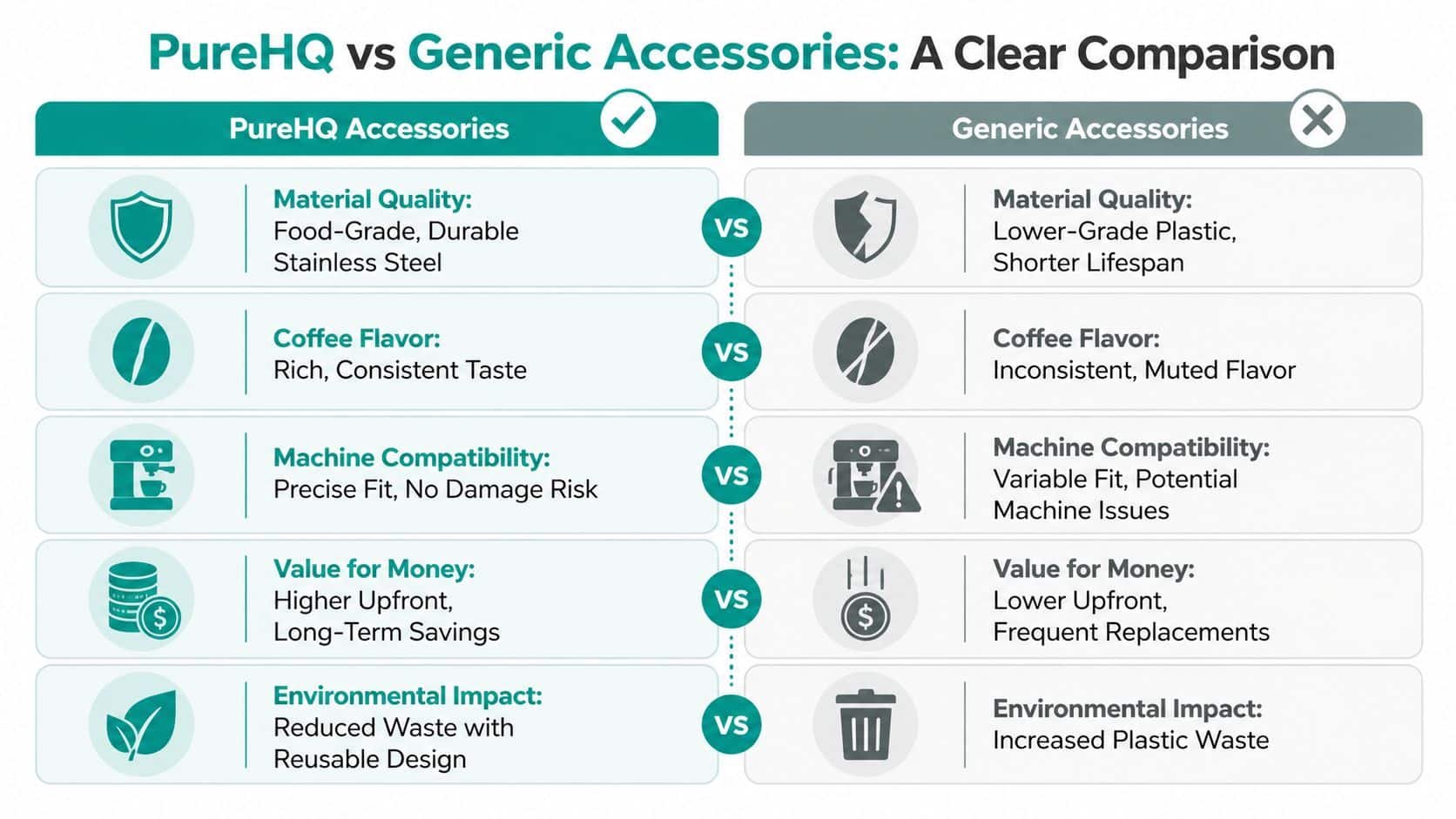
A better-made reusable pod gives you repeatable results. It closes the same way, seats properly, and rinses without much fuss. That matters more than branding. It means fewer wasted scoops of coffee, fewer surprise leaks, and less second-guessing before you hit brew.
Generic pods can still work. Some are perfectly usable for light, occasional brewing. The trade-off is quality control. I have tested low-cost pods that brewed fine for a week, then started flexing at the lid or leaving grounds in the cup because the mesh and seal were not finished well. Saving money upfront stops feeling smart when the accessory creates the same taste and cleanup problems you were trying to fix.
PureHQ vs Generic Reusable Pods
| Feature | PureHQ (Stainless Steel & Premium Plastic) | Generic Plastic Pod |
|---|---|---|
| Material | Stainless steel and more durable component choices for repeated use | Often lighter plastic construction |
| Fit consistency | Designed around model compatibility and cleaner seating | Can vary enough to create sealing issues |
| Leak resistance | Better lid fit and more stable construction | More prone to flexing or poor closure |
| Cleaning | Usually easier to rinse when the interior design is simpler | Can trap grounds in seams and mesh corners |
| Flavor potential | Better when flow is even and the pod shape supports extraction | More likely to produce inconsistent extraction |
| Long-term value | Higher upfront buy, fewer replacement headaches | Lower upfront buy, more trial-and-error |
Buy for fit and repeatability, not just price. A cheap pod gets expensive fast if it wastes coffee, causes mess, or pushes you back to disposable K-Cups.
Where premium accessories earn the extra cost
The best case for paying more is not luxury. It is friction.
If you brew once in a while, a generic accessory may be good enough. If you brew every day, the weak points show up fast. Hinges loosen. Tabs warp. Seals stop sealing. A pod that needs careful handling every morning turns a quick coffee routine into maintenance.
The same logic applies beyond reusable pods. Water filters need to fit correctly or they do not help much. Cleaning products need to be made for coffee equipment, not treated like an afterthought. If your machine is already brewing inconsistently, pair the right accessory with basic upkeep. A proper Keurig descaling routine fixes a different problem than a better pod, but both matter if you want cleaner flavor and more reliable brewing. For cleanup between deeper maintenance sessions, AQEEK Coffee cleaning solutions are another practical option to keep on hand.
PureHQ Inc. fits best for buyers who want fewer variables. Generic accessories fit best for shoppers who care more about the lowest entry price and are willing to test a few before finding one that behaves properly. That is the core comparison. One option costs less at checkout. The other usually costs less in frustration.
Mastering Keurig Maintenance Filters Descalers and Cleaners
You fill the reservoir, press brew, and wait longer than usual for a cup that tastes flat. Then the machine spits, groans, or gives you less coffee than you selected. That usually points to maintenance, not a dying brewer.
A lot of Keurig frustration comes down to three separate problems. Bad-tasting water goes in. Mineral scale builds up inside. Coffee oils cling to the brew path and stale the next cup. The fix gets easier once you stop treating all three as the same issue.
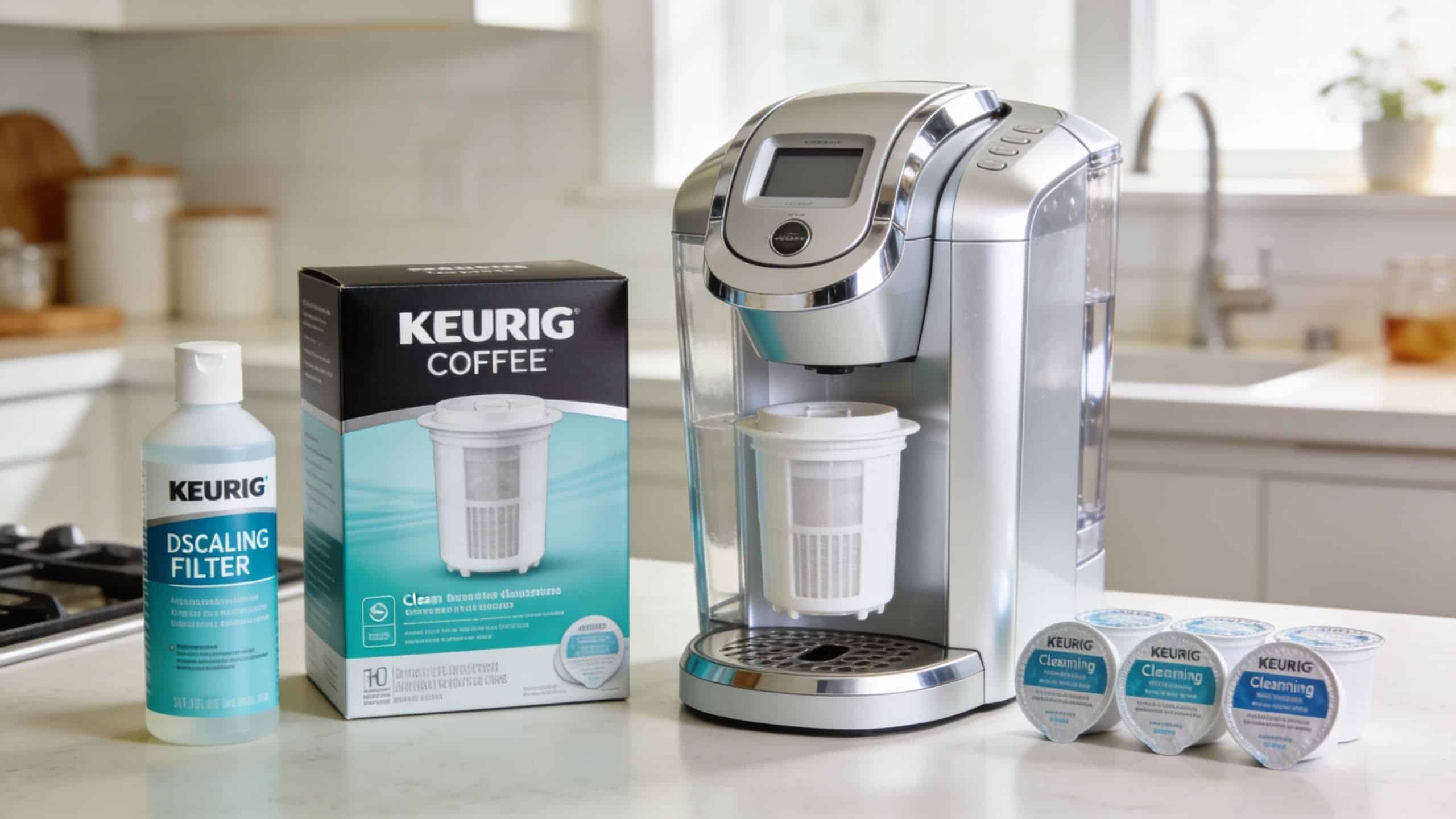
Filters improve what enters the machine
If your tap water smells like chlorine or tastes hard on its own, your coffee will carry that flavor too. A reservoir filter will not turn poor water into great water, but it can cut the off-notes that make Keurig coffee taste dull or slightly chemical.
This is one of the cheapest fixes in the whole setup.
Replace the charcoal filter on schedule, rinse it before use, and check that the holder sits properly in the reservoir. A loose or poorly fitted filter does very little. If you use filtered water from the start, you may notice less difference, but many Keurig owners brewing with plain tap water notice cleaner flavor right away.
Descaling removes what water leaves behind
Scale is what happens when heated water leaves minerals behind inside the machine. Over time, that buildup restricts flow and throws off brewing. The first clues are familiar: slower pours, louder brewing, sputtering, or cup sizes that start coming up short.
Descaling fixes the machine side of the problem. It does not fix stale coffee residue, and it does not improve bad water. That distinction matters because plenty of people descale, brew another cup, and wonder why the taste still seems off.
A practical descaling cycle is simple:
- Empty the reservoir: Start fresh with water and descaling solution.
- Run brew cycles without coffee: Use a large mug so you can keep flushing the system.
- Pause if your model calls for it: Some brewers need time for the solution to work on internal buildup.
- Rinse thoroughly with fresh water: Keep brewing water-only cycles until the smell and taste are gone.
If you want model-specific steps, this Keurig descaling walkthrough lays out the process clearly.
Cleaners remove the stale residue descaler leaves behind
Coffee oils are the quiet problem. They build up on parts you rarely inspect, especially if you brew dark roasts, flavored pods, or multiple cups a day. When that residue sits there, fresh coffee starts picking up old flavors.
That is why a Keurig can taste dirty even after descaling.
Use brewer cleaners for residue and oil, not for mineral scale. If you want a practical example, AQEEK Coffee cleaning solutions are made for that kind of buildup. They solve a different problem than descaling solution, and using the right product saves time and guesswork.
A simple maintenance split keeps things clear:
- Water filters: Help reduce off-flavors from the water supply.
- Descaling solution: Clears mineral buildup inside the brewer.
- Cleaning tablets or brewer cleaners: Remove coffee oils and film from the brew path.
This visual walkthrough helps if you prefer to watch the process before doing it yourself.
If your Keurig still turns on but brews slowly, loudly, or with drifting flavor, it is already asking for maintenance.
A routine you will actually keep up with
The best maintenance plan is the one that fits a normal morning. Swap filters regularly. Descale when brew speed drops, noise increases, or cup size gets inconsistent. Use a cleaner when coffee tastes stale even with fresh pods or fresh grounds.
Do that, and you solve the three complaints that push people to blame the machine itself. Worse taste. Higher cost from wasted coffee. More frustration every morning. Regular maintenance does not just keep a Keurig alive longer. It fixes the cup you are getting from it now.
Accessory Compatibility Demystified For Every Keurig Model
Compatibility is where a lot of accessory purchases go wrong. A listing says it fits “Keurig coffee makers,” but that doesn’t mean it fits your Keurig. Lid shape, pod holder dimensions, adapter requirements, and carafe basket design all vary more than many shoppers expect.
Classic brewers and everyday K-Cup models
The classic K-Cup-style machines are usually the easiest place to start. These brewers tend to work well with standard reusable pod formats, replacement water filters, and general maintenance supplies. If you have a straightforward single-cup machine, accessory shopping is usually less stressful.
Still, “usually” matters. Even within familiar lines, details change. Before buying, check the brewer name on the machine itself, not just your memory of what you ordered years ago.
Keurig 2.0 and models with extra fit restrictions
Keurig 2.0 machines created confusion because owners discovered that not every pod-shaped accessory worked the same way across those brewers. Generic accessories, in particular, often frustrate people most. A pod may physically fit but still fail to seat or brew correctly.
If you own a 2.0 machine, pay attention to any mention of required adapters, specific compatibility notes, or restrictions tied to the pod holder design. Don’t assume a reusable pod that works in an older classic brewer will behave the same way here.
K-Supreme, K-Slim, and newer single-serve designs
Newer machines can be more particular about shape and alignment. A reusable pod that sits slightly off can create splatter, leaking, or uneven extraction. Water filter compatibility can also differ based on reservoir layout.
For these models, the safest approach is a short checklist:
- Match the exact model family: K-Supreme and K-Slim aren’t interchangeable labels.
- Check whether an adapter is included: Some pods need one for proper seating.
- Look at reservoir design: Water filters and holders need the right form factor.
K-Duo and carafe brewing setups
K-Duo machines add another layer because you’re dealing with both single-cup and carafe brewing. A reusable K-Cup may solve your everyday mug, but your carafe side may also benefit from a gold-tone basket or compatible paper liners. Those accessories affect cleanup and how much sediment ends up in the pot.
If you use the carafe side often, it makes sense to think in pairs. One accessory for single cups. Another for batch brewing.
The most reliable accessory setup is the one built around your exact brewer, not the one with the broadest compatibility claim.
What about Ninja DualBrew and other crossover machines
Some shoppers bounce between Keurig-compatible brewers and systems like Ninja DualBrew. That can work, but compatibility gets even more product-specific. Reusable pods, filters, and adapters may cross over in some cases, but not automatically.
The practical answer is simple. Treat accessory buying like buying replacement parts, not like buying mugs or spoons. Model accuracy beats guesswork every time. When in doubt, look for a product page or FAQ that names your brewer directly instead of relying on broad wording.
Conclusion Your Perfect Cup Awaits
A disappointing Keurig routine usually looks bigger than it is. Bad flavor feels like a machine problem. High pod costs feel unavoidable. Waste feels built into the system. In practice, those issues are often fixable with a smarter accessory setup.
A reusable K-Cup gives you control over taste and lowers dependence on disposable pods. Water filters help clean up the flavor before brewing begins. Descalers and cleaners protect the machine from the buildup that slowly drags down performance. And once you pay attention to compatibility, you stop wasting money on accessories that almost fit.
That’s the value of keurig coffee makers accessories. They don’t just add options. They solve the specific frustrations that make people regret buying a single-serve brewer in the first place.
If your coffee tastes weak, fix extraction. If it tastes off, look at your water and cleaning routine. If you’re tired of constant pod purchases, switch to a reusable setup. Small changes make a noticeable difference because they address the actual source of the problem.
The machine on your counter can probably make a better cup than it’s making today. It just needs the right support around it.
If you’re ready to improve taste, cut waste, and make your brewer easier to live with, shop the accessory lineup at PureHQ Inc.. Start with the product that solves your biggest annoyance first, whether that’s a reusable K-Cup, a water filter, or a descaling solution, and build a setup that makes your next cup better than your last.

