
Coffee Machine Care
Fix Keurig 2.0: Refillable k cup for keurig 2.0 Guide
Apr
You load your Keurig 2.0 with fresh grounds, close the lid, hit Brew, and the machine answers with a refusal instead of coffee. That is the moment many users stop blaming themselves and start blaming the brewer.
Fair enough.
Keurig 2.0 machines confused a lot of owners because the problem was never “use a reusable pod correctly.” The core issue was compatibility: a refillable k cup for keurig 2.0 has to do more than hold coffee. It has to fit the brewer’s pod chamber correctly, seal correctly, and avoid the error behavior that cheaper pods trigger.
That is why some reusable pods work well for years while others leak, brew weak coffee, leave sediment in the cup, or throw that familiar “not designed for this brewer” message. The difference is engineering, not luck.
The Frustrating Keurig 2.0 Error and How to Beat It
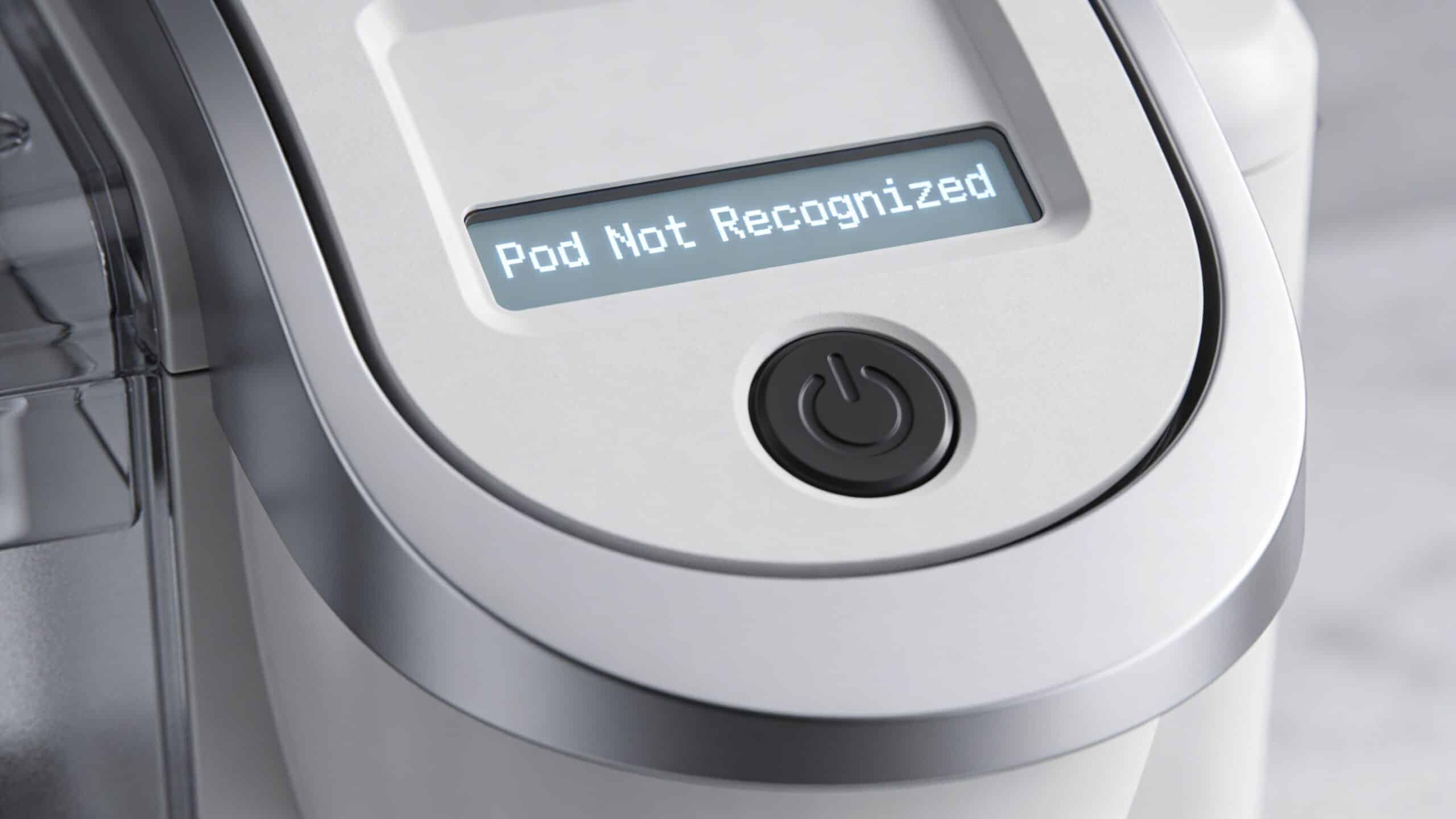
The most annoying Keurig 2.0 failure is simple. You insert a reusable pod, press brew, and get an error instead of a cup of coffee.
That error makes people think they bought the wrong coffee, filled the pod badly, or somehow damaged the machine. None of that is true. The brewer is rejecting the pod because the pod is not interacting with the machine the way the machine expects.
A lot of owners waste time trying random fixes. They reopen the lid three times. They shake the pod. They refill the reservoir. They try a smaller cup size. None of that fixes a pod that was never built for this brewer.
What usually works
For a Keurig 2.0, the right answer is not a hack. It is a properly designed reusable pod for the 2.0 platform.
The pod has to seat correctly. The lid has to close securely. The filter has to control grounds well enough that the machine does not deal with clogging or pressure issues. If any of those basics fail, the brewer often reacts with errors, leaks, or weak extraction.
If your reusable pod keeps failing in a 2.0 brewer, stop changing five variables at once. Start with the pod itself. Compatibility problems often look like user error.
If you are not fully sure which brewer family you own, this guide on matching pods to Keurig models can help narrow it down fast: https://www.purehqfilters.com/blog/which-reusable-k-cup-fits-my-keurig-the-easy-guide-for-all-models-single-needle-multistream/
The good news is that a refillable k cup for keurig 2.0 can work very well when the design matches the machine. When it does, you get your coffee choice back. You also stop paying disposable-pod prices for every single cup.
Why Your Keurig 2.0 Is So Picky About Pods
Keurig 2.0 did not become infamous by accident. The machine was built to be selective.
In 2014, Keurig launched the 2.0 brewer series with proprietary DRM technology that blocked third-party and reusable K-Cups. At that point, Keurig held over 90% of the U.S. single-serve coffee market and annual K-Cup sales exceeded 9 billion units. The restrictions triggered widespread backlash, and compatible refillables later saw a 300% year-over-year surge in Amazon sales from 2015-2016, according to ASInsight’s Keurig reusable K-Cup market report.
What the machine checks
A Keurig 2.0 brewer uses an optical sensor system. In plain terms, the machine looks for registration markings on approved pods before it allows brewing.
That is why a random reusable cup often fails. It is not enough for the pod to physically fit in the chamber. The machine also reacts to how that pod presents itself inside the brewer.
Some users describe this as the machine “reading” the pod. That is a useful way to think about it. If the brewer does not like what it sees, it stops the cycle.
Why cheap pods fail more often
Generic reusable pods often miss the details that matter:
- Geometry issues mean the pod does not sit at the right height or angle.
- Weak lid design leads to poor sealing.
- Low-quality mesh lets fine grounds move where they should not.
- Sloppy construction increases the odds of inconsistent puncture and water flow.
The result is familiar. You see compatibility messages, “add more water” behavior, weak coffee, grounds in the cup, or overflow inside the holder.
Why the restrictions mattered so much
People did not just object to the message on the screen. They objected to losing control over what they brewed.
A reusable pod lets you choose better beans, use your preferred roast, and avoid throwing away disposable cups all the time. When the 2.0 system blocked that flexibility, users looked for workarounds immediately. Hacks spread online because owners wanted freedom back.
That history matters if you are shopping today. It explains why a refillable k cup for keurig 2.0 is not just another coffee accessory. It is a technical fix for a technical lockout.
The Keurig 2.0 brewer is not “too smart” for reusable coffee. It is just unforgiving about pod design.
The practical takeaway
If your Keurig 2.0 is picky, believe it. The machine is sensitive by design.
Buying the cheapest reusable pod usually means buying a pod that was shaped to fit “most” brewers, not a pod built to work with the 2.0 system specifically. That is the difference between a reliable morning routine and a brewer that acts like every pod is suspicious.
The Simple Mechanics of a Reusable K-Cup
A reusable pod is not complicated. Think of it as a very small filter basket made to sit inside a single-serve brewer.
You add ground coffee, close the lid, and let the machine push hot water through it. Water enters from the top, moves through the grounds, then exits through the filter into your mug.
The three parts that matter
Most reusable pods come down to three basic parts:
- The body holds the grounds and gives the pod its shape.
- The mesh filter controls what leaves the pod with the brewed coffee.
- The lid closes the system so water flows through coffee instead of around it.
If any one of those is poorly made, the cup suffers. A warped body can fit badly. Weak mesh can let fines through. A bad lid seal can cause leaks or poor extraction.
Why simple design still matters
Keurig brewers are mechanically straightforward at the brewing point. They force water through a small container of coffee. That means the reusable pod behaves a lot like a compact basket filter or tea infuser.
The difference is precision. A pod brewer has much less room for error than a drip basket. If the cup is overfilled, if the grind is wrong, or if the filter is too coarse, the machine shows the problem quickly.
That is one reason many coffee enthusiasts like machines with serviceable internal parts. If you are interested in that broader idea, this piece on the removable brew unit explains why easier access and easier cleaning matter so much in day-to-day brewing.
What a good pod should feel like
A decent refillable pod should feel boring in the best way.
It should open and close cleanly. It should sit in the holder without wobbling. After brewing, you should see spent grounds contained inside the basket instead of scattered around the chamber.
A reusable pod should not require tricks, tape, or guesswork. If it feels fussy every morning, the design is probably the problem.
That simplicity is the point. The machine may be electronic, but the brewing tool itself should be easy to fill, easy to rinse, and easy to trust.
Your Step-by-Step Guide to a Perfect Brew
You fill the pod, close the lid, hit brew, and the cup still comes out weak or messy. That usually is not a mystery. Keurig 2.0 brewers are less forgiving than they look, so small setup mistakes show up fast in the cup.
Start with grind and dose
Use a medium grind. Espresso-fine coffee tends to choke the mesh and slow the brew. A coarse grind lets water pass too easily, which usually gives you a flat, under-extracted cup.
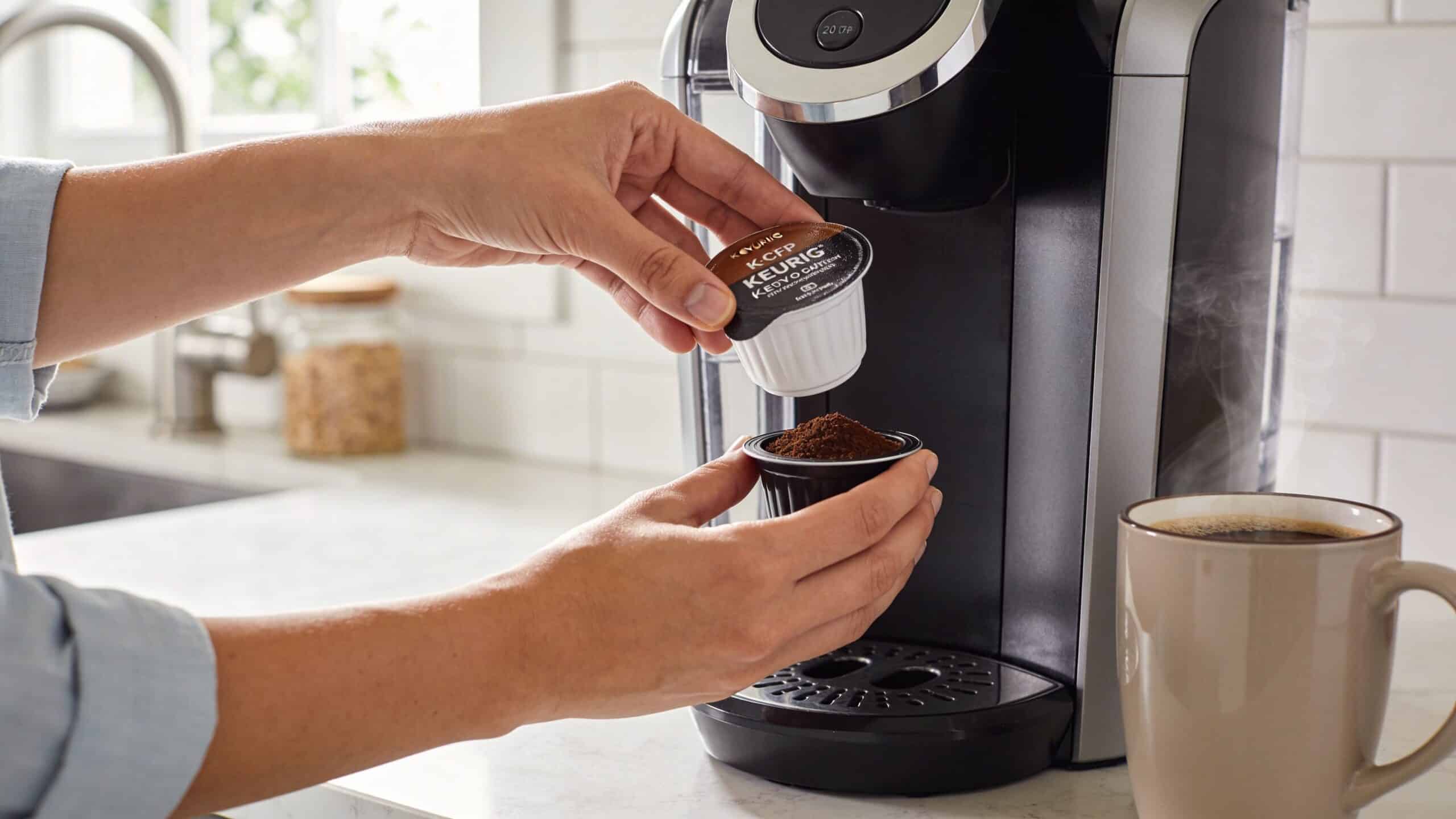
Dose matters just as much. Fill the reusable pod most of the way, then level the grounds lightly. Do not tamp them down. Keurig brewers push water through a small chamber under pressure, and packed coffee restricts flow in a way these machines do not handle well.
If you want a broader explanation of how heat affects extraction, this guide on the best water temperature for brewing coffee explains why grind size and brew temperature have to work together.
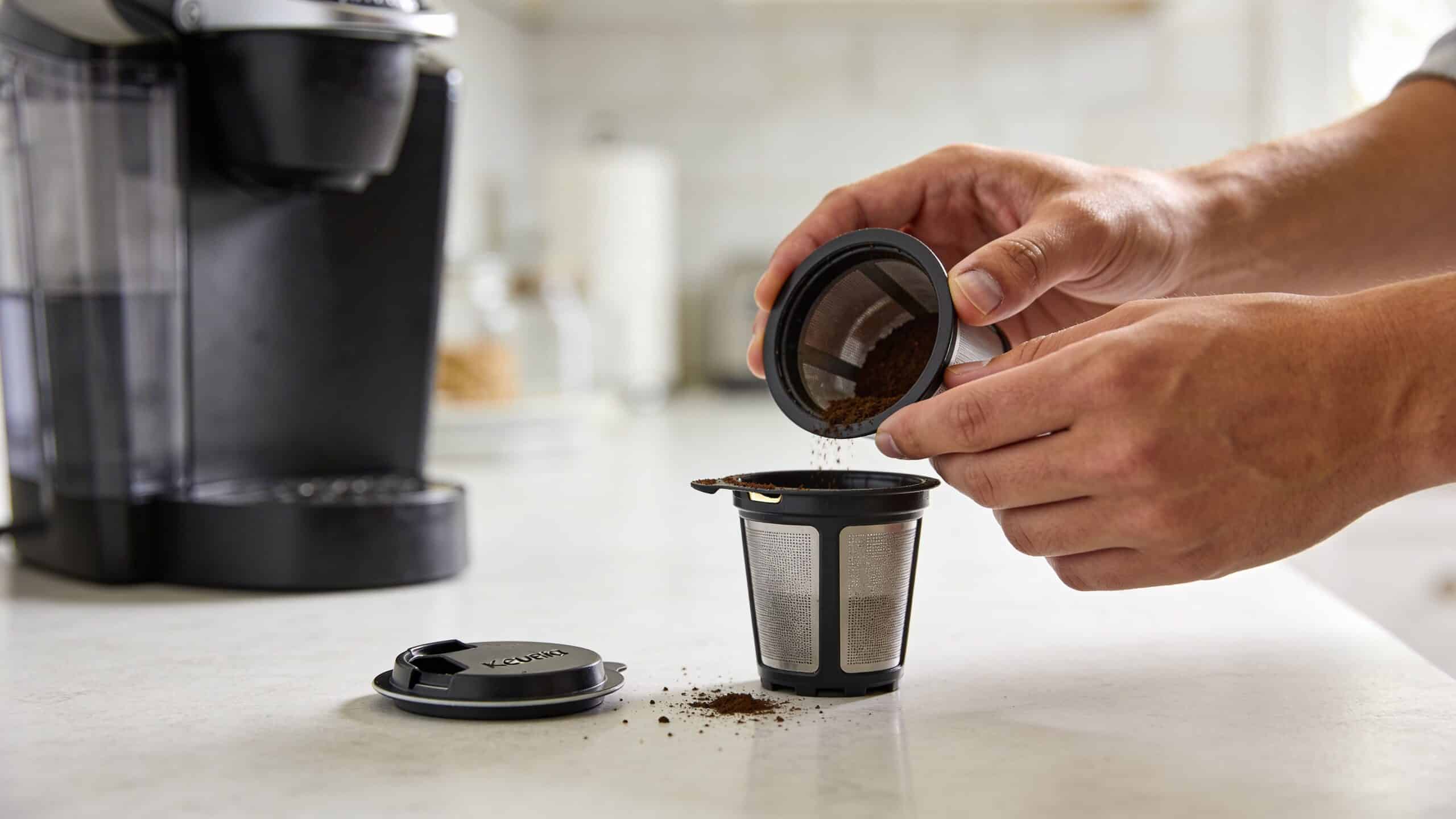
Fill the pod so water can move through it
A reusable K-Cup is not a mini espresso basket. It needs headroom.
A simple routine works well:
- Add coffee until the pod is nearly full.
- Tap the pod once or twice to settle the grounds.
- Level the surface with a spoon or fingertip.
- Close the lid fully without forcing it against the coffee.
If the lid presses hard on the grounds, remove a little coffee and try again. That one adjustment fixes a lot of weak brews and a lot of splatter inside the chamber.
Seat the pod correctly before closing the brewer
Set the pod in the holder and make sure it sits flat. If it is tilted or riding up on one side, open the machine and reseat it before brewing.
Do not push through resistance. A properly made refillable k cup for keurig 2.0 should close cleanly. If the handle suddenly feels stiff, something is off. Usually the pod is overfilled, the lid is not snapped shut, or the cup is not aligned with the holder.
Match the brew size to the amount of coffee
This is the step many Keurig owners skip.
Reusable pods usually produce better flavor on smaller cup settings because the machine is sending less water through the same amount of coffee. Start with a smaller brew size, taste it, and only increase the size if the cup still has enough strength for you. If your first attempt tastes watery, change the brew size before changing everything else.
Watch a visual demo
Some people dial this in faster by seeing the process instead of reading it.
For more practical tuning tips on fill level, grind, and cleanup, read this PureHQ guide to better taste and performance with reusable K-Cups.
Clean it before residue hardens
Empty the pod soon after brewing. Wet grounds come out easily. Dried grounds cling to the mesh, trap oils, and make the next cup taste worse.
Use this cleanup routine:
- Dump the grounds while they are still damp.
- Rinse the mesh inside and out to clear trapped fines.
- Wipe the lid edge and seal area so coffee does not interfere with closure.
- Let the pod dry fully before putting it away.
Keep the brewer clean too
A reusable pod cannot overcome scale, clogged needles, or old coffee residue inside the machine. If the brewer has buildup, water flow gets inconsistent and the coffee suffers.
Descaling and basic needle cleaning help keep the brew cycle steady. That matters even more with Keurig 2.0 machines, because these brewers already operate within tighter limits than older models. Clean machine, proper fill, correct grind. That combination delivers the cup many users expected on day one.
How to Choose a Reliable Refillable K-Cup
A Keurig 2.0 owner usually starts shopping for a reusable pod after the machine rejects something it should have brewed. That frustration leads a lot of people to buy the first pod labeled "2.0 compatible." That is where many problems start.
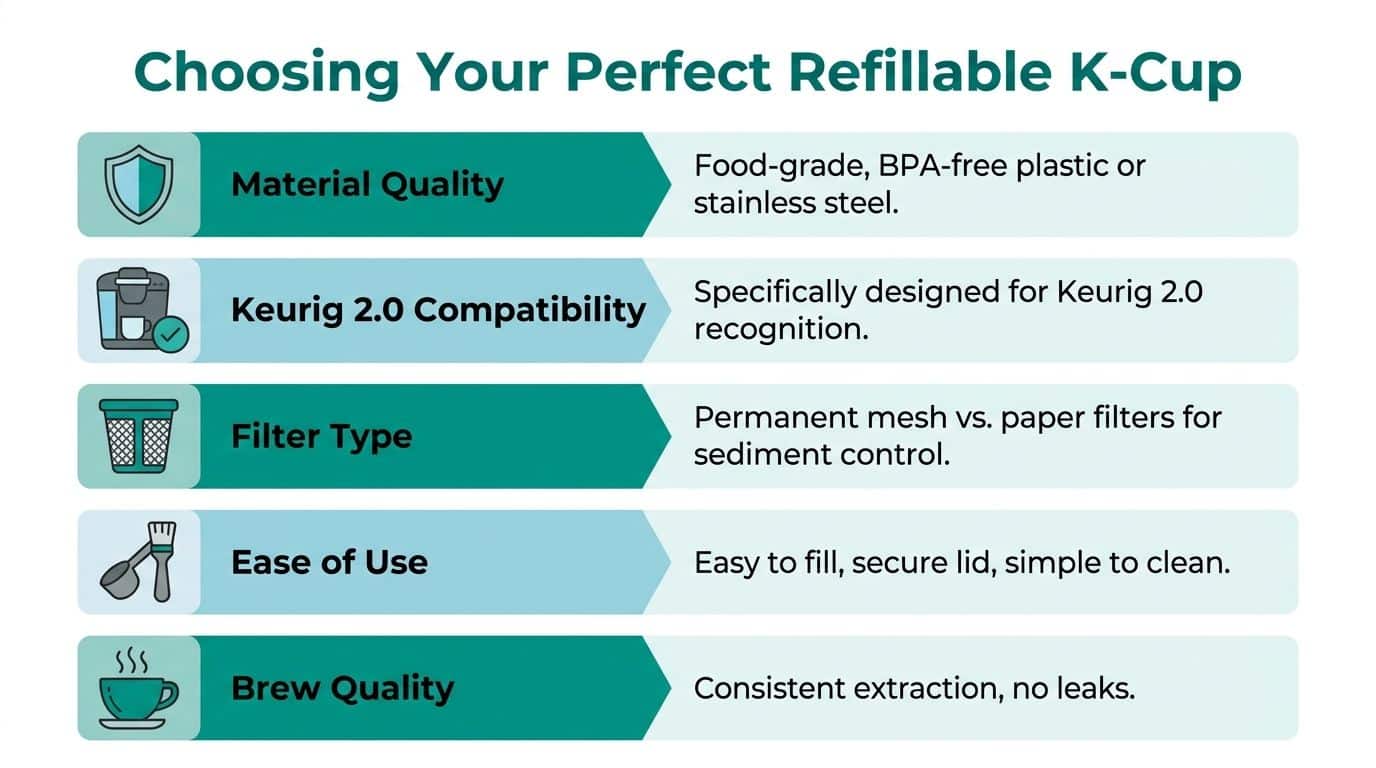
Keurig 2.0 was built to read pod details, not just hold coffee. The machine checks for the right shape, the right top profile, and proper seating. A reliable refillable K-Cup has to work with those limits. It also has to hold up under heat, pressure, and daily rinsing. Generic pods often get one part right and miss the others.
The three buying criteria that matter most
Start with fit.
If the pod does not sit correctly, the brewer may not read it properly, puncture it cleanly, or push water through it evenly. This is not cosmetic. Keurig 2.0's restriction system made pod geometry part of the brewing process, so small design errors cause real performance issues.
Next, check mesh quality. A reusable pod needs filtration fine enough to hold back sediment, but open enough to keep water moving. Cheap mesh often fails on one side of that trade-off. It either lets fines into the cup or restricts flow and weakens extraction.
Then look at durability. Heat cycling exposes weak hinges, thin plastic, and poorly fitted lids fast. A pod that warps after repeated use stops being a bargain and turns into another source of error messages, leaks, or weak coffee.
What to inspect before you buy
A good refillable pod should feel like a brewer component, not a novelty accessory.
Body construction
Look for a rigid body with consistent molding. If the sidewalls flex easily in your hand, they can lose shape over time. That matters in a Keurig 2.0 because the brewer is less forgiving about alignment than older machines.
Food-safe plastic is fine if it is thick enough and molded cleanly. Stainless steel helps in the filter area, but body shape still decides whether the pod seats correctly.
Mesh quality
Mesh is where many low-cost pods cut corners.
If the openings are too coarse, you get sludge in the cup and stray grounds in the brew chamber. If the mesh is poorly supported, it can deform and change water flow. A well-made stainless mesh keeps the cup cleaner and brews more consistently across different coffees.
Lid and seal design
The lid should close firmly and evenly. No wobble. No obvious gap near the hinge or rim.
A weak lid sends water around the grounds instead of through them. That leads to pale, watery coffee even when the grind and fill level are correct.
Premium versus generic options
The daily-use differences show up fast.
| Feature | Better-engineered refillable pod | Standard generic pod |
|---|---|---|
| 2.0 fit | Made with tighter dimensions for more consistent seating | "Universal" sizing often fits loosely or inconsistently |
| Mesh | Stainless mesh that balances flow and sediment control | Mesh may be too coarse or too restrictive |
| Lid closure | Even closure with a more dependable seal | Hinges and rims often close unevenly |
| Cleanup | Grounds release more easily after rinsing | Corners and mesh tend to trap residue |
| Long-term use | Holds shape better through repeated brewing and washing | More likely to warp, crack, or lose fit |
Why engineered compatibility matters
A Keurig 2.0 reusable pod is solving a technical problem created by the brewer itself. That is why fit matters so much more here than it does with many other single-serve machines.
PureHQ's reusable Keurig cup is a good example of that approach. It is positioned for single-needle 1.0 and 2.0 brewers, with attention to the geometry, lid fit, and mesh design that these machines respond to. That does not mean technique stops mattering. It means the pod is built to remove one major source of failure before you even add coffee.
Red flags that should stop you from buying
- "Universal" with no model details
- No clear mention of Keurig 2.0 compatibility
- Thin plastic walls or a loose, floppy lid
- Vague product photos that hide the mesh and rim
- Reviews that mention grounds, leaking, or brewer errors repeatedly
People who run into those issues usually blame the coffee first. The pod is often the primary problem. If you want a closer look at the failure patterns, this guide to issues you may experience when using reusable K-Cups covers the warning signs.
Buy for fit first, filter quality second, price third. That order saves more frustration than any discount ever will.
A refillable k cup for keurig 2.0 should feel engineered for a restrictive brewer, because that is exactly what it is.
Troubleshooting Common Reusable Pod Issues
Even a good pod can produce a bad cup if one small detail is off. Most Keurig reusable-pod problems are easy to diagnose once you stop guessing.
Weak or watery coffee
Cause: The grind is too coarse, the pod is underfilled, or the brew size is too large for the amount of coffee.
Fix: Use a medium grind, fill the pod properly, and test a smaller cup setting. Reusable pods reward small adjustments. One notch finer on grind or one size smaller on the brew can change the cup completely.
Grounds in the cup
Cause: The pod is overfilled, the lid is not closing cleanly, or the filter quality is poor.
Fix: Empty and refill below the lid line. Wipe the rim before closing. If this keeps happening with careful filling, the mesh may be the problem.
Overflow or leaking inside the brewer
Cause: Restricted flow, a dirty exit needle, bad pod seating, or a lid seal issue.
Fix: Rinse the pod mesh thoroughly. Check that the pod sits flat. Inspect the machine needles carefully for buildup. If the pod always leaks in the same spot, the lid or body may be out of shape.
The error message still appears
Cause: The pod is not compatible, the top surface is dirty, or the pod is not seated where the machine expects it.
Fix: Remove the pod and wipe the top area clean. Reinsert it carefully. If the same pod triggers repeated compatibility behavior, stop fighting it and switch to one made specifically for 2.0 brewers.
A quick maintenance reminder
Water quality affects taste and residue over time. If you care about cleaner flavor and less buildup, using compatible water filter cartridges can help the machine stay more consistent between deep cleanings.
For a fuller list of repeat issues and fixes, this PureHQ troubleshooting article is useful: https://www.purehqfilters.com/blog/issues-you-may-experience-when-using-reusable-k-cups/
When a Keurig starts acting strange with reusable pods, check the simple things first. Fill level, grind, lid closure, and cleanliness solve most cases.
Cost and Waste Savings You Can Expect
The appeal of a refillable pod is not theoretical. It changes the economics of every cup.
The verified market data on reusable Keurig pods states that refillables save users $0.50-$1 per cup versus disposables, and describes the refillable segment as a $500 million sub-market by 2025 in the ASInsight market report linked earlier. That same source ties growth to the backlash around locked-down 2.0 brewing.
The money side
You do not need a complicated spreadsheet to understand the value.
If your machine works reliably with a refillable pod, you stop buying single-use pods for every brew. You also gain access to bulk coffee, local roasts, and whatever grind and roast profile you want. For many households, that freedom matters as much as the direct per-cup savings.
The waste side
Disposable pods create a lot of trash. The same ASInsight report notes that disposable K-Cups generated 75 billion pods annually by 2020, contributing to landfill waste equivalent to 13 billion plastic bottles.
That is why many Keurig owners switch even before they fully optimize taste. They are tired of throwing away plastic for one cup at a time.
Why the savings feel bigger over time
A reusable pod creates a different coffee habit. You start buying coffee by the bag, not by the capsule. You stop treating single-serve brewing like a locked ecosystem.
That is where the refillable k cup for keurig 2.0 becomes more than a workaround. It becomes the way you take control of taste, cost, and waste in one move.
Brew Your Favorite Coffee with Freedom
Keurig 2.0 owners usually arrive at the same conclusion after enough failed pods and error messages. The machine is not impossible. It is just selective.
Once you use a refillable pod designed for the brewer’s real requirements, the routine gets much easier. You fill it with coffee you want to drink, close it properly, brew, rinse, and repeat.
That means fewer disposable pods in the trash, lower cost per cup, and a machine that behaves normally instead of fighting you every morning. It also means you can stop relying on hacks and start relying on fit, filtration, and sound pod design.
If your current reusable pod leaks, throws errors, or brews weak coffee, do not assume all refillables are the same. They are not. The right refillable k cup for keurig 2.0 solves a compatibility problem first and a coffee problem second.
If you want a reusable pod and coffee accessories built around practical fit, cleaner brewing, and easier maintenance, shop PureHQ Inc. and choose the option that matches your brewer.

