
Coffee Machine Care
A Gardener’s Guide to Composting Coffee Grounds
Mar
Do you throw away your used coffee grounds every morning? That small scoop might seem harmless, but it’s contributing to a massive environmental issue. Globally, the coffee industry produces over 15 million tons of spent grounds annually, with much of it ending up in landfills.
When you toss those grounds in the trash, they get buried without oxygen. This anaerobic decomposition releases methane, a greenhouse gas that the United States Environmental Protection Agency identifies as having a global warming potential more than 25 times that of carbon dioxide. Your daily habit, multiplied by millions of households, creates a significant climate burden—turning a potential garden resource into a harmful pollutant.
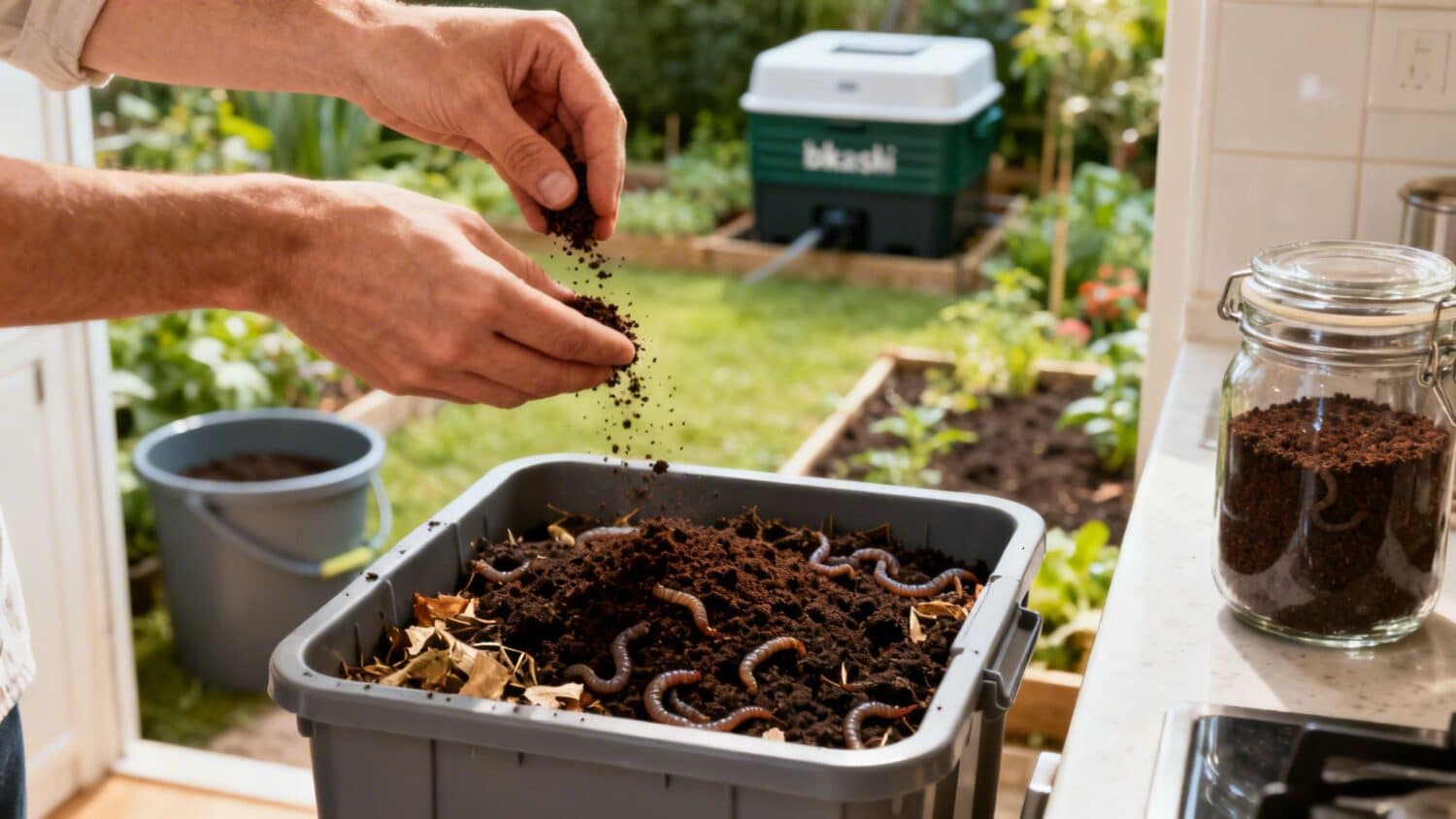
The solution is simple and sitting in your own backyard: compost coffee grounds. Instead of sending this valuable organic matter to the landfill, you can easily transform it into "black gold"—a nutrient-rich soil amendment that boosts your garden's health, cuts your carbon footprint, and saves you money on fertilizers.
Your Daily Coffee Habit Is Creating a Mountain of Waste
That morning ritual is essential, but it comes with a hidden cost. The scoop of used grounds from your daily brew seems small, but when it hits a landfill, it contributes to a massive environmental problem. You're also missing a huge opportunity to enrich your garden for free.
The scale of this waste is staggering. The global coffee industry produces over 15 million tons of spent coffee grounds every year, as detailed in the International Journal of Recycling of Organic Waste in Agriculture. For every ton of coffee beans processed, about 650 kilograms of waste is created. When that organic material rots in a landfill, it releases methane, a seriously potent greenhouse gas. This is a silent problem happening in garbage bins everywhere, turning what could be garden superfood into a climate-damaging pollutant.
Here's the good news: the solution is simple, effective, and right in your own backyard. Instead of sending this valuable organic matter to the dump, you can easily compost coffee grounds to create what gardeners call "black gold." Composting redirects this waste stream and transforms it into a nutrient-rich soil amendment that your plants will absolutely love. By composting, you actively participate in a circular economy, turning kitchen "waste" into a valuable input for your garden.
This guide will show you exactly how to do it. We'll walk through the practical steps to turn this daily byproduct into a powerful, sustainable resource. And if you're a single-serve brewer, you can make an even bigger impact by pairing this practice with eco-friendly coffee pods to cut down on plastic waste. Now, let’s get our hands dirty and explore how to start this rewarding process.
Which Composting Method Is Right for You?
So you want to start composting your coffee grounds, but you're not sure how. You might be picturing a giant, steaming pile in your backyard, worrying about pests, weird smells, or just not having the space.
This uncertainty can be paralyzing, leading you to keep tossing your grounds in the trash where they release methane, a nasty greenhouse gas. Every day you delay, you're missing out on turning that waste into "black gold" for your plants and contributing to a healthier planet. This simple chart shows the two paths your coffee grounds can take—one ends in a landfill, the other creates something valuable.
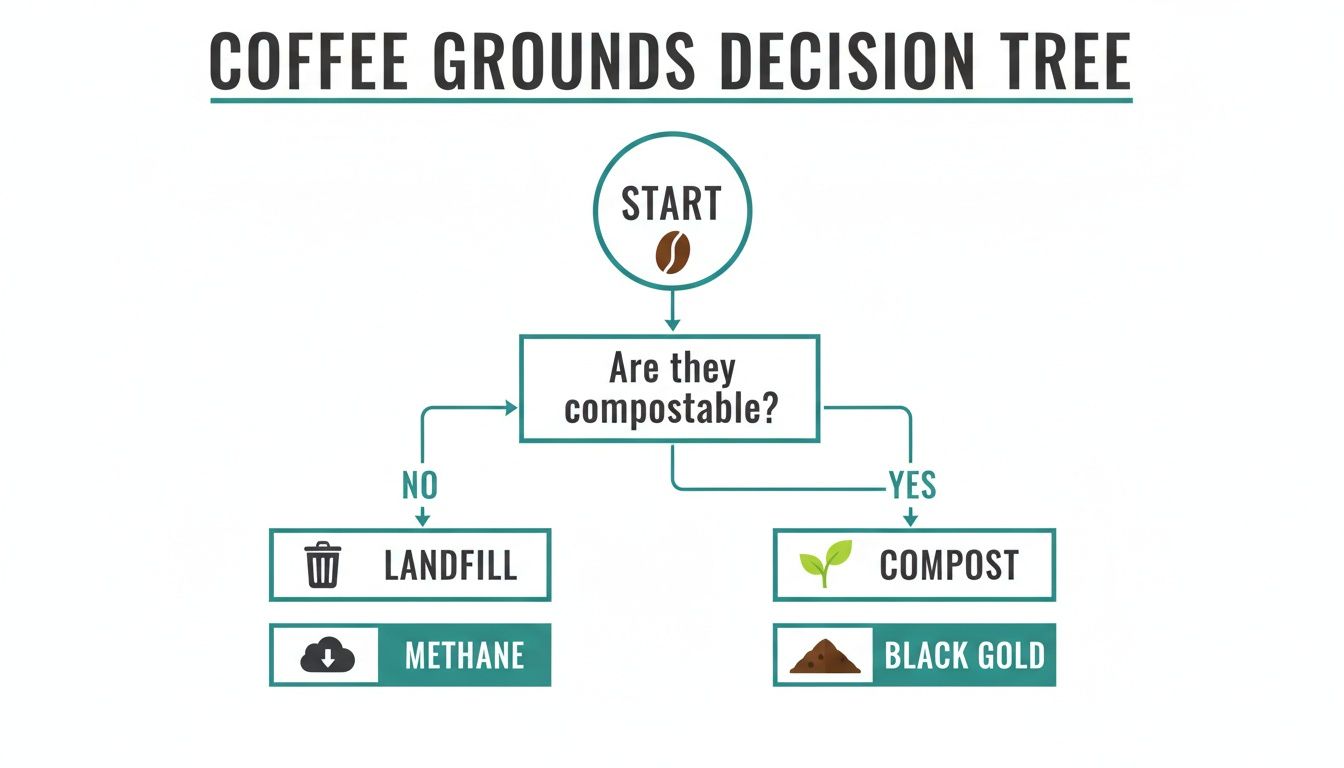
The solution is to find a composting method that fits your life. There’s a perfect system for every home, whether you have a sprawling yard or a tiny apartment balcony. Choosing the right method makes composting stick. Before you dive in, it’s worth brushing up on some general composting information to get the basics down. To make things even simpler, using sustainable gear like reusable coffee filters means you can toss the grounds right into the pile without a second thought.
Comparing Composting Methods
Choosing the right composting technique is key to success. This table compares the four main methods to help you pick the one that’s perfect for you. A common objection to home composting is the fear of bad smells or pests. Methods like Vermicomposting and Bokashi are specifically designed for indoor use and are virtually odor-free when managed correctly, directly addressing this concern.
| Method | Speed | Space Needed | Effort Level | Best For |
|---|---|---|---|---|
| Hot Composting | Fast (1–3 months) | Large (min. 3'x3') | High | Gardeners with a yard who want compost quickly |
| Cold Composting | Very Slow (1+ year) | Medium to Large | Low | People with a yard who prefer a hands-off approach |
| Vermicomposting | Medium (2–3 months) | Small (fits indoors) | Medium | Apartment dwellers and those wanting high-quality castings |
| Bokashi | Very Fast (2–4 weeks) | Small (fits indoors) | Medium | Anyone, especially those who want to compost all food waste |
Each method has its pros and cons, but they all lead to the same great result: less waste in the landfill and incredible, homemade fertilizer for your plants. A good guide on how to start composting can also walk you through the absolute basics of building your first pile.
How to Successfully Compost Your Coffee Grounds
You’re ready to turn your daily coffee ritual into black gold for your garden, but just dumping grounds into a pile and hoping for the best is a recipe for a slimy, stinky mess that never actually breaks down.
It's a common frustration. You've diligently saved your grounds, only to end up with a compost bin that smells sour, attracts flies, or just sits there, cold and dead. This can make you think you need a degree in soil science to get it right, tempting you to give up and go back to throwing them in the trash.
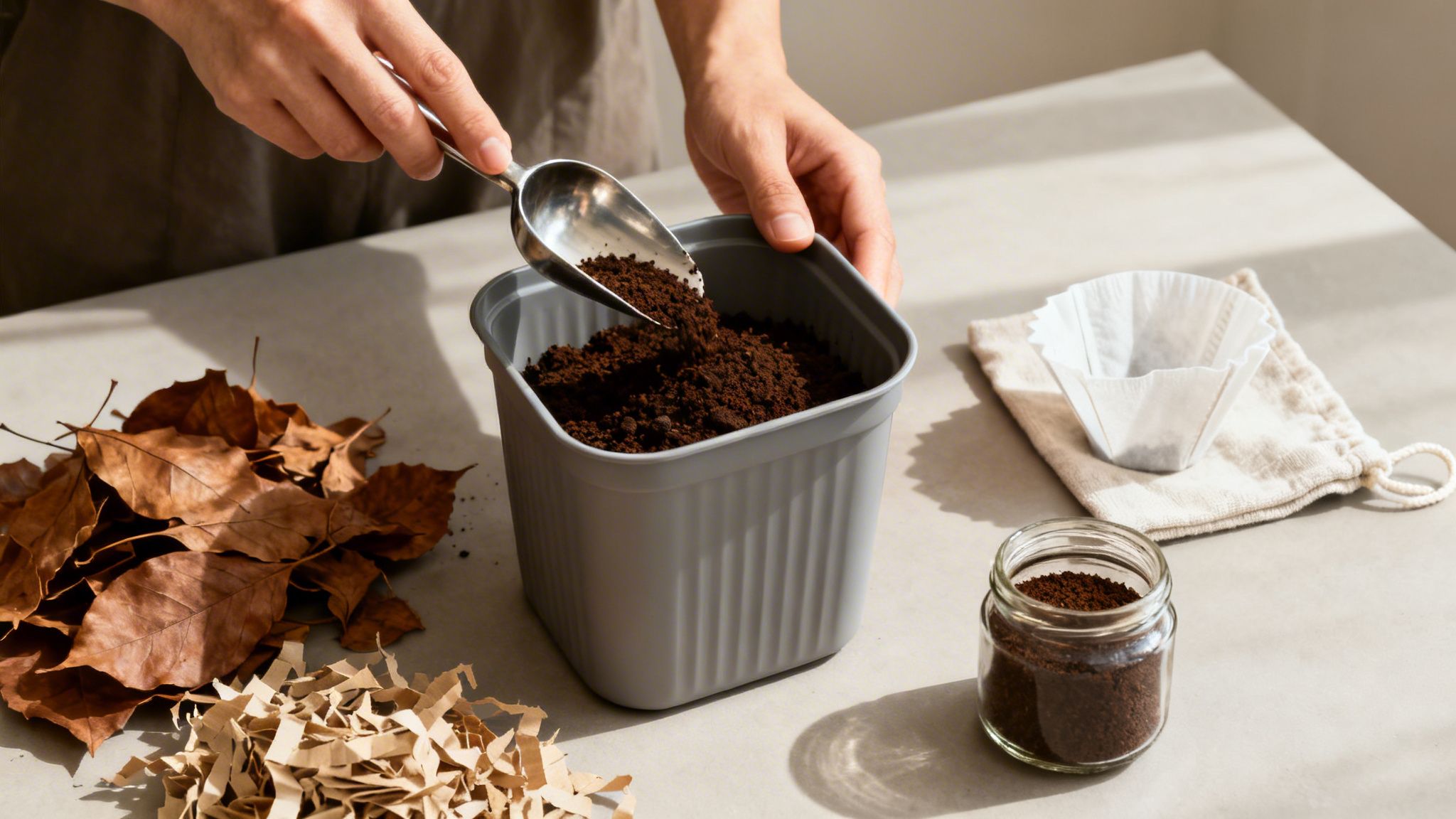
The secret to successfully composting coffee grounds isn't complicated. It all comes down to one simple concept—balancing your "greens" and "browns." Once you get the hang of this, you’ll have a healthy, happy compost pile that does the hard work for you. Every healthy compost pile needs a balanced diet of nitrogen-rich “greens” (like coffee grounds and kitchen scraps) and carbon-rich “browns” (like dried leaves and shredded paper). As a rule of thumb, aim for a ratio of about one part green material to two or three parts brown material by volume. This gives the nitrogen from your coffee grounds enough carbon to work with, keeping the pile aerated and odor-free.
Collecting and Storing Your Grounds
Before you can add grounds to your compost, you need a system to collect them. Just empty your spent grounds into a lidded container like a countertop compost caddy. The key is to empty your container into the main compost pile every few days to prevent mold. When you add them to the big pile, don’t just dump them in one spot. Sprinkle the grounds in a thin layer and cover them completely with a layer of your brown materials. This simple trick is the best way to maintain balance, stop odors, and keep pests away.
Troubleshooting Common Coffee Composting Issues
You started composting your coffee grounds, but now something’s off. Maybe it’s a funky smell every time you walk past the bin, or you’ve lifted the lid to find a slimy, unappealing mess.
It’s frustrating when your eco-friendly efforts seem to go sideways. You start to wonder if it's even worth the trouble, and you're close to abandoning the project altogether. These issues are super common and are just your compost pile's way of telling you what it needs. A smelly or slimy pile almost always means the balance of nitrogen, carbon, moisture, or air is just a little bit off.
The great news is that it's almost always an easy fix. If you notice a sharp, ammonia-like smell, you have too much nitrogen. To fix it, grab a pitchfork, aerate the pile to get oxygen flowing, and then mix in a generous layer of carbon-rich "brown" materials like dried leaves or shredded cardboard. This will soak up excess moisture, balance the ratio, and eliminate the odor. The same solution—adding browns and turning the pile—also fixes a slimy texture.
Addressing Mold and Acidity Concerns
Seeing some mold in your compost can be alarming, but white, fuzzy mold is a normal and beneficial part of decomposition. However, if you see large patches of slimy, smelly mold, it's a signal that your pile is too wet and compacted. The solution is the same: aerate the pile and add more dry, brown materials. As for acidity, it's a stubborn myth that coffee grounds will make your finished compost harmfully acidic. The composting process itself neutralizes the pH. A study at Oregon State University found that compost containing up to 25% coffee grounds produced a final product with a perfectly balanced pH, ready for the garden.
Just as a healthy compost pile needs the right balance, your daily brew deserves a clean start. Using high-quality water filters in your machine prevents mineral buildup and ensures you’re getting the best possible flavor from your coffee.
Shop PureHQ coffee filters and accessories for a better brew.
Using Your Finished Coffee Compost in the Garden
You’ve done it. You have a pile of beautiful, crumbly ‘black gold’ made from your kitchen scraps and spent coffee grounds. But now you're worried about harming your plants by using it the wrong way.
This fear of burning roots or messing up your soil's pH can make you hesitate. This often leads to that precious homemade compost sitting in a pile, unused, while your garden misses out on this amazing, free organic matter that could be helping it thrive.
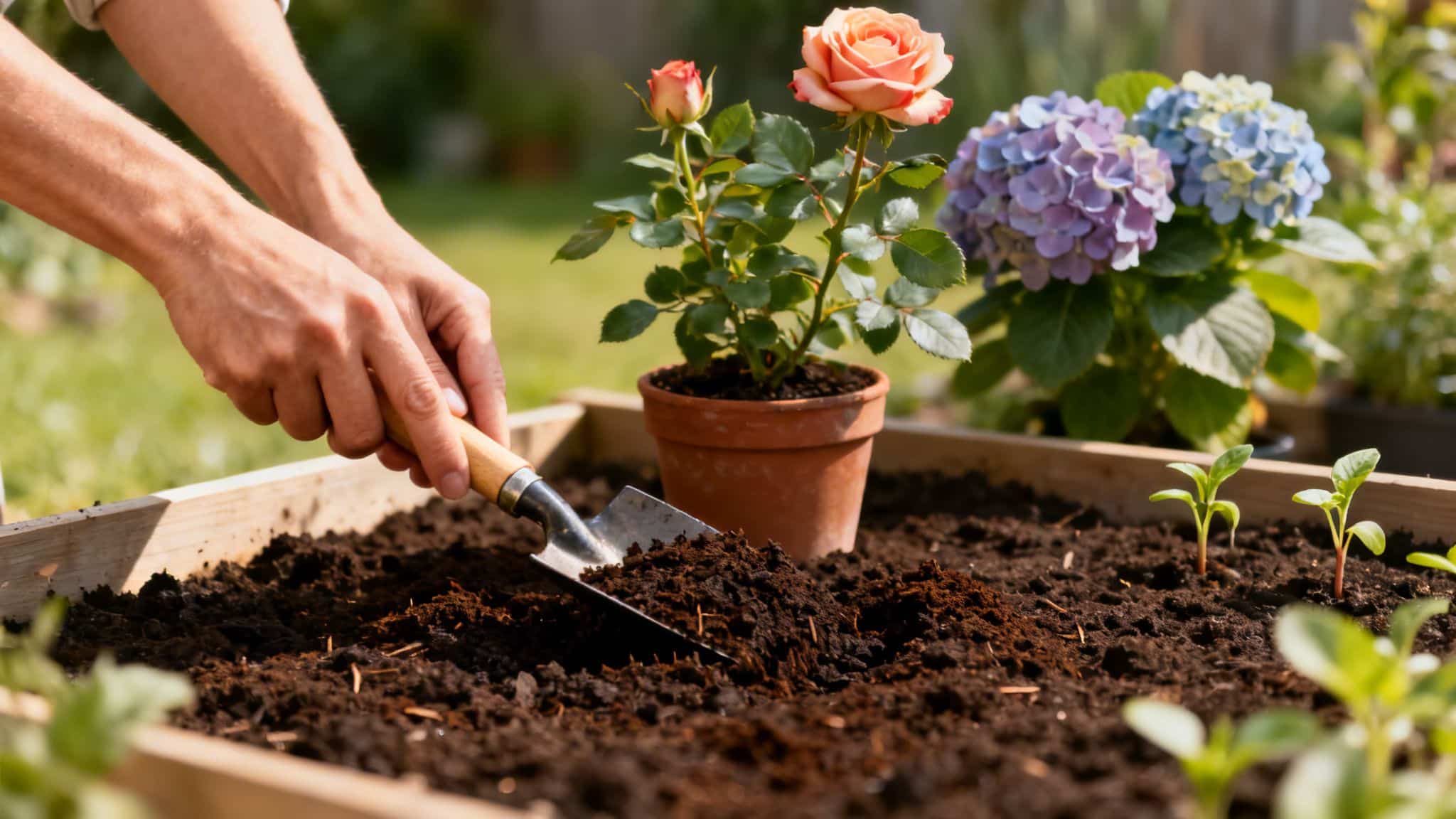
The solution is to use your finished compost as a powerful soil amendment, not a direct fertilizer. It’s all about improving soil structure and delivering nutrients slowly over time. Mix a 2 to 3-inch layer of your compost into the top 6 to 8 inches of soil before planting, or spread a 1 to 2-inch layer on top of the soil around established plants as a top dressing. Almost every plant will appreciate the organic matter, but acid-loving plants like roses, hydrangeas, blueberries, and azaleas seem to thrive on the gentle nutrient boost.
By putting your coffee grounds to work in the garden, you’re also part of a much bigger sustainability shift. The global market for used coffee grounds is projected to jump from USD 708.3 million in 2025 to USD 1,962.5 million by 2035, with agriculture being the biggest user. You can learn more about the growing market for recycled coffee grounds and its impact and see how your small effort adds up. This whole incredible process starts with a great cup of coffee, so keep your machine clean with a descaling solution to remove mineral scale that can ruin the taste of your coffee.
Shop PureHQ descalers and cleaning supplies to keep your brewer at its best.
Common Questions About Composting Coffee Grounds
You've decided to start composting your coffee grounds, but you probably have a dozen questions. Is it a "green" or a "brown"? Can I toss the filter in? Will I accidentally kill my prize-winning tomatoes?
This "analysis paralysis" can get you stuck, leaving those precious grounds in the trash instead of your garden. It's frustrating to know you could be doing something great for your garden but feel held back by a lack of clear answers.
Let's cut through the noise and answer the most common questions so you can start composting with confidence.
Are Coffee Grounds Green or Brown Compost? Despite their color, coffee grounds are a 'green' material because they are rich in nitrogen. Remember to mix them with plenty of 'browns' (like dried leaves) to keep things balanced.
Can You Compost Paper Coffee Filters Too? Yes! Paper coffee filters are a carbon-rich 'brown' material, making them the perfect counterpart to your 'green' coffee grounds. Just be sure to tear the filter into smaller pieces to help it break down faster. If you're curious about different filter types, it's worth comparing reusable vs paper coffee filters.
How Many Coffee Grounds Are Too Many? A good rule of thumb is to make sure coffee grounds make up no more than 20-25% of your total compost pile by volume. This gives you all the nitrogen benefits without overwhelming the pile.
Are There Plants That Dislike Coffee Compost? Finished compost made with coffee grounds is safe and beneficial for nearly every plant. However, you should be careful about applying fresh, uncomposted grounds directly to the soil, as the caffeine can temporarily stunt the growth of some seedlings. Once composted, this is no longer a concern.
At PureHQ Inc., we believe a great garden starts with great habits, just like a great cup of coffee starts with a clean machine.
Shop our full range of accessories to keep your brewer in top shape.

