
Coffee Machine Care
How to Make Coffee Taste Better With Simple At-Home Fixes
Feb
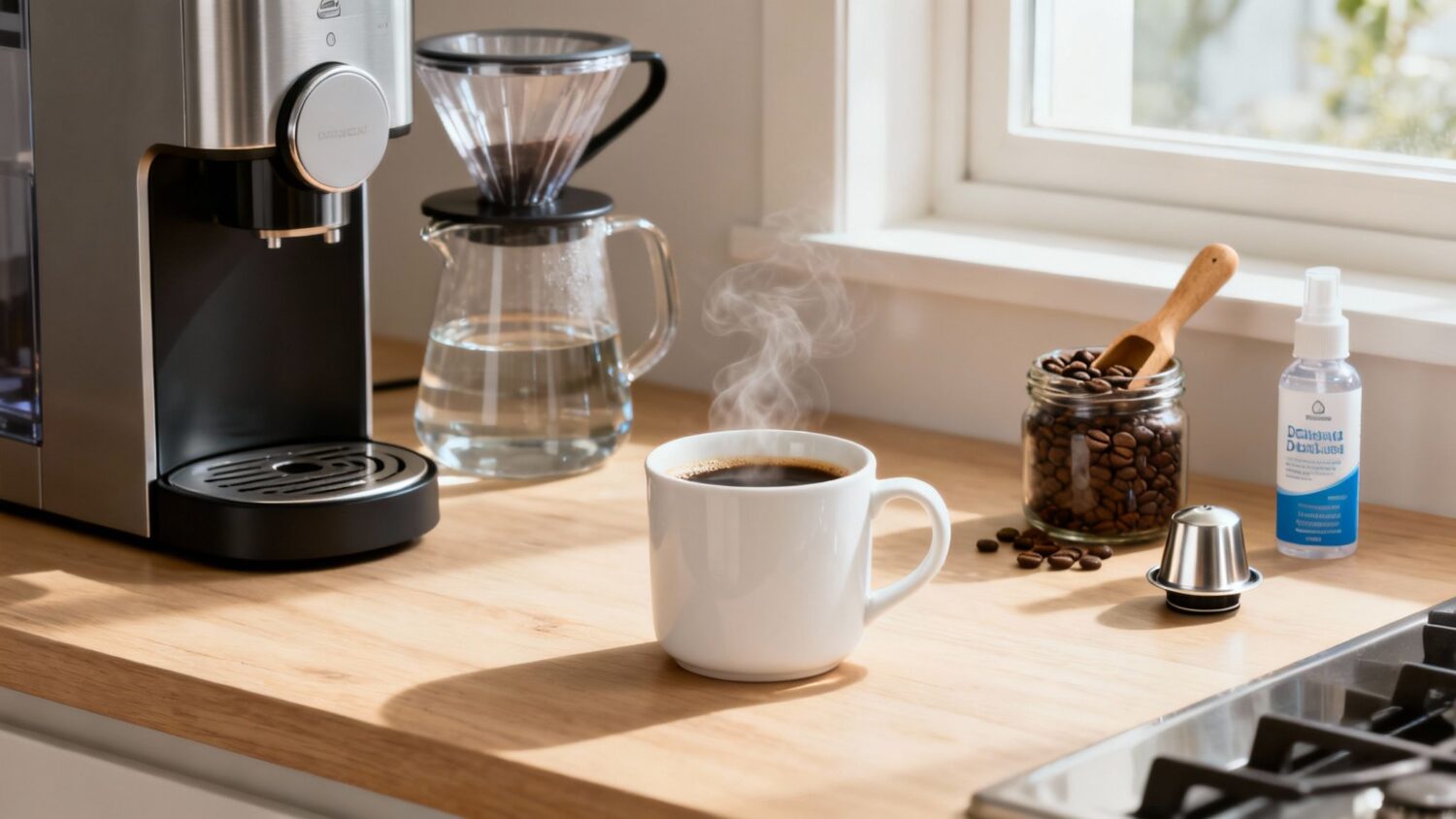
That first sip of morning coffee is a ritual, but for the 74% of Americans who drink coffee daily, it too often ends in disappointment. You bought a great machine from a brand like Keurig or Ninja, but the flavor is frustratingly bitter, weak, or just plain flat. It’s a daily letdown, leaving you wondering why your expensive brewer and premium beans produce such a mediocre cup. The problem isn’t your machine; it’s a few hidden culprits sabotaging your coffee’s taste.
The secret to a better cup isn’t a new brewer. The solution boils down to three key areas: using filtered water, regularly cleaning your machine, and grinding fresh coffee beans right before you brew. By tackling these common issues, you can solve the most frequent causes of a disappointing cup and instantly upgrade your daily coffee.
Why Your Morning Coffee Tastes Disappointing
The jarring taste of a bitter or sour cup of coffee can ruin the start of your day. You’ve invested in a quality brewer and maybe even some specialty coffee, but the result is consistently underwhelming. This frustrating cycle makes you question your equipment, your beans, and your entire coffee-making process. The constant inconsistency is maddening—one day it’s acceptable, the next it’s undrinkable.
You’re not alone in this struggle. The issue rarely lies with the coffee maker itself. Instead, a few simple, often-overlooked factors are actively working against you, tainting the flavor before the coffee even hits your mug. These small details make a massive difference, turning what should be a delightful experience into a daily gamble.
The Real Reasons Your Coffee Tastes Off
Most flavor problems stem from a handful of sources. By identifying and addressing them, you can finally learn how to make your coffee taste better.
The biggest offenders are almost always:
- Bad Water Quality: Since coffee is composed of about 98% water, the quality of your H2O is paramount. Tap water containing high mineral content or chlorine introduces off-flavors that overpower the delicate notes of your coffee beans.
- A Dirty Machine: Over time, coffee makers accumulate limescale from hard water and a buildup of rancid coffee oils. This residue creates a sour or bitter aftertaste that contaminates every cup you brew.
- Stale Coffee Beans: As soon as coffee is ground, it begins to oxidize and lose its flavor and aroma. The pre-ground coffee found in many pods can be weeks or months old, resulting in a dull, lifeless brew.
This guide provides a simple solution for each of these problems. We’ll walk you through practical changes—focusing on water purity, machine cleanliness, and bean freshness—to help you brew a fantastic cup of coffee, every single time.
The Surprising Impact of Water on Coffee Flavor
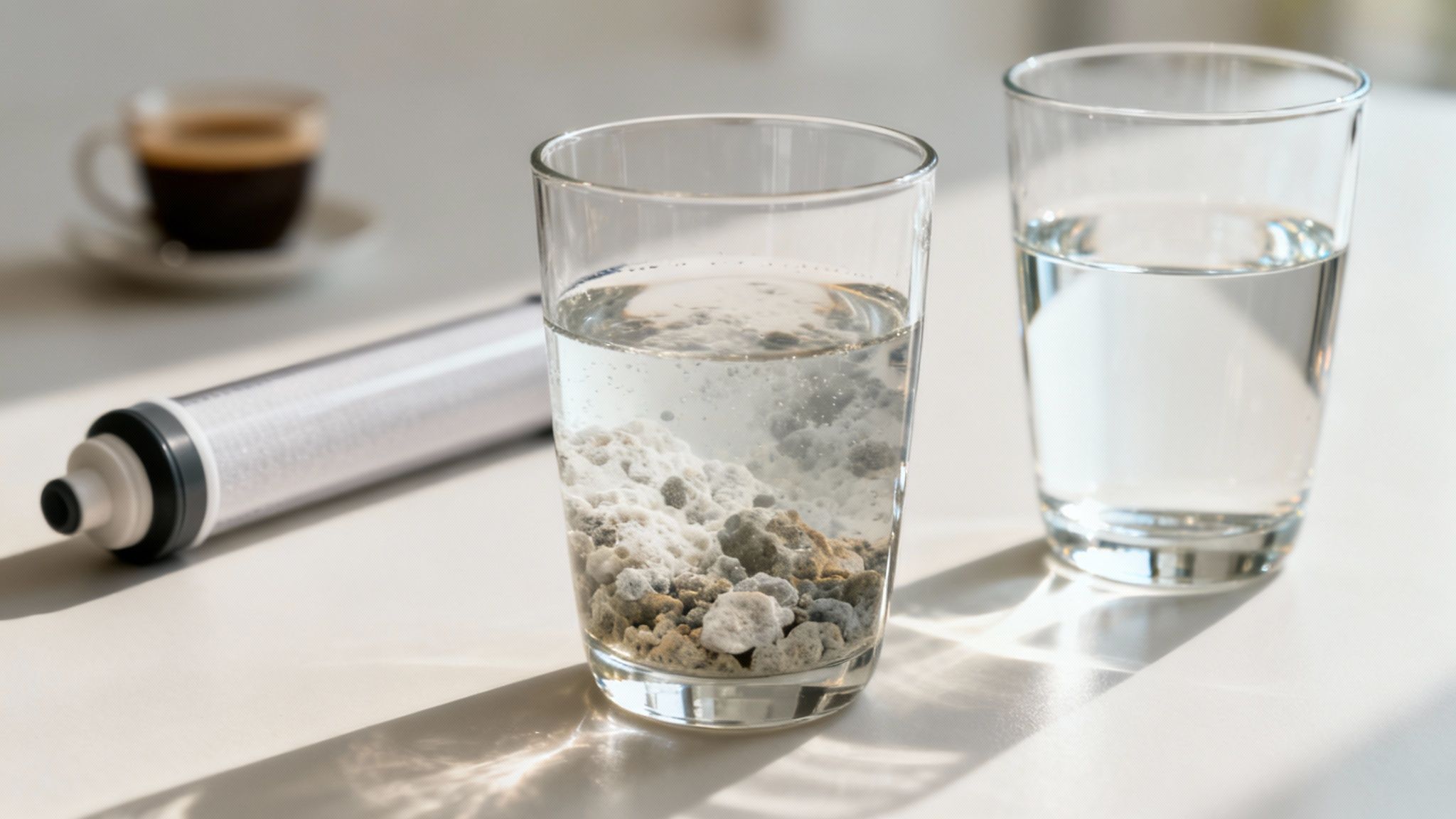
You can obsess over exotic beans and perfect grind sizes, but the biggest saboteur of your coffee’s taste is often your tap water. It seems like a minor detail, but since your coffee is almost entirely water, any impurities, minerals, or chemicals in it transfer directly into your cup. This is especially true for the 85% of U.S. households that have hard water.
The high concentration of minerals like calcium and magnesium in hard water wreaks havoc on flavor. These minerals bind to the delicate flavor compounds in your coffee grounds, preventing them from being properly extracted. This chemical reaction masks the bright, nuanced notes you paid for, leaving you with a brew that tastes dull, flat, or even chalky. You’re left wondering where the vibrant flavor promised on the bag went, not realizing your water stole it.
Why Filtered Water Is a Game Changer
The fastest and most effective solution is to switch to filtered water. A high-quality activated charcoal filter removes the unwanted elements that have been ruining your coffee’s flavor, acting as a gatekeeper for purity. Using a premium filter designed for your specific machine—whether it’s a Keurig K-Classic, a 2.0, or a Ninja DualBrew—eliminates these flavor-killers:
- Chlorine: Used for municipal water disinfection, chlorine imparts a harsh, chemical aftertaste.
- Sediment and Scale: Hard water minerals not only dull the taste but also build up inside your machine, causing damage over time.
- Off-Odors: Unpleasant smells from your water source can easily transfer into your finished coffee.
Just as the right water-to-rice ratio is crucial for fluffy results, as detailed in this guide on mastering the perfect rice cooker water ratio, the purity of the water is everything for coffee.
The Clear Difference Premium Filters Make
Not all filters are created equal. Generic, bargain-bin filters often suffer from poor design, leading to an insecure fit. This common customer complaint allows unfiltered water to bypass the filter media entirely, defeating the purpose of using one. For a deeper dive, our guide on proper coffee machine filter replacement explains the mechanics in detail.
PureHQ filters are engineered with a precision-fit design to create a leak-proof seal, ensuring all water passes through the filtration media. This simple upgrade unlocks the true flavor potential of your coffee.
| Feature | PureHQ Premium Filters | Generic/Bargain Filters |
|---|---|---|
| Fit & Seal | Engineered for a precise, leak-proof fit in compatible Keurig & Ninja models. | Often have a loose or improper fit, allowing unfiltered water to bypass. |
| Filtration Media | High-grade, micro-mesh activated charcoal removes up to 97% of chlorine. | May use lower-quality charcoal with inconsistent filtration performance. |
| Durability | Constructed from durable, BPA-free plastic that holds its shape. | Prone to warping or cracking, compromising the seal and filter integrity. |
| Taste Impact | Delivers clean, neutral-tasting water that lets coffee flavor shine. | Can fail to remove off-tastes or may even add a plastic-like flavor. |
Key Takeaway: Upgrading your water filter is a small investment that delivers a massive return in flavor. It guarantees every cup is brewed with clean, pure water, letting the true character of your coffee finally shine through.
Why a Clean Machine Is Your Secret Weapon for Taste
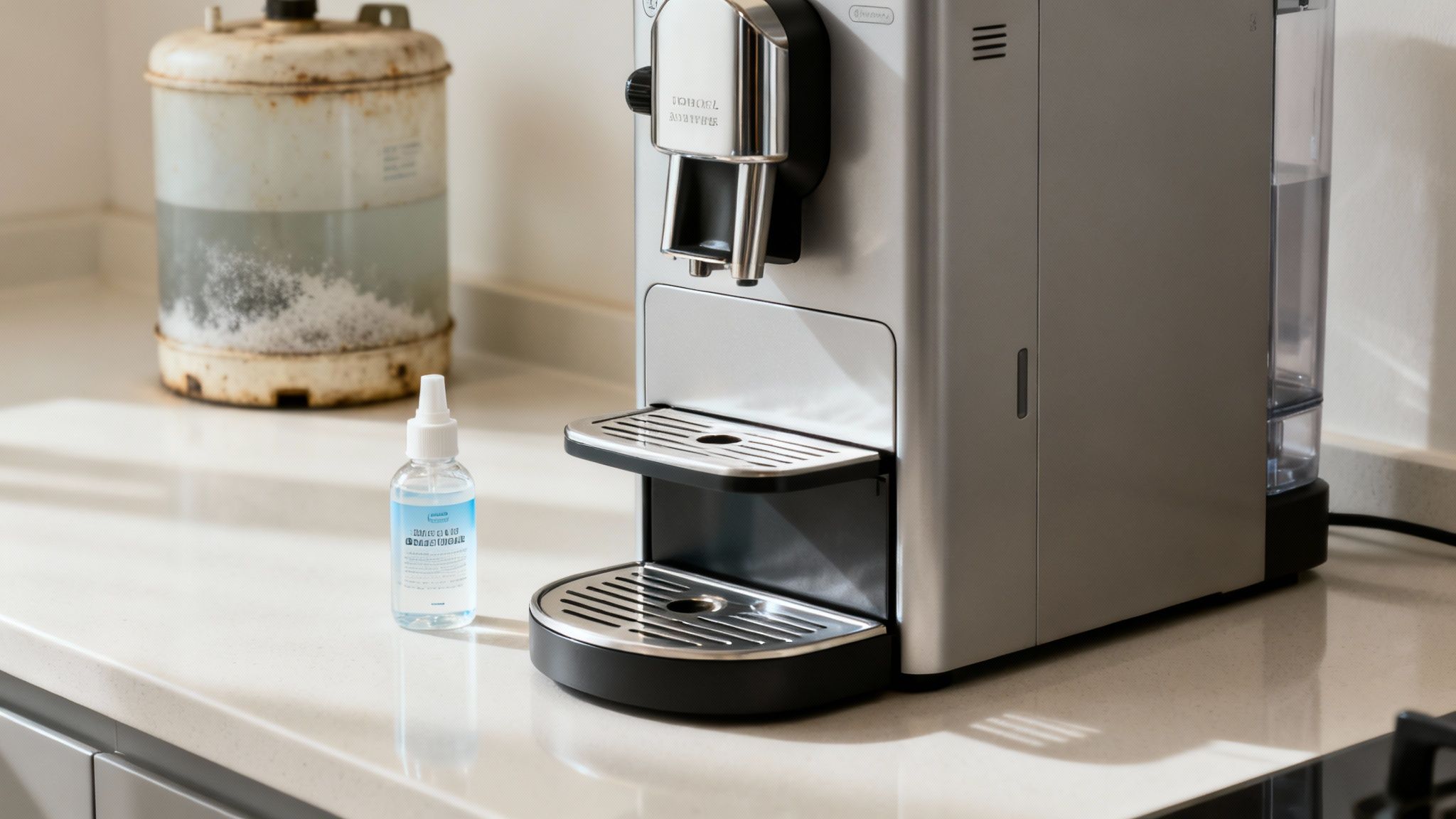
With every brew, your coffee maker accumulates a nasty residue of hard water minerals (limescale) and old, rancid coffee oils. This buildup coats the internal components of your machine, creating a direct assault on your coffee’s flavor. Instead of tasting the rich notes of your beans, your coffee is contaminated with a sour, bitter funk from this old gunk.
This contamination creates a frustratingly inconsistent experience, making it impossible to brew a reliably good cup. Even worse, limescale acts as an insulator on the machine’s heating element, preventing it from reaching the optimal brewing temperature. According to the Specialty Coffee Association, water temperature should be between 195°F and 205°F for ideal extraction. A machine struggling with scale buildup often produces lukewarm, under-extracted coffee that tastes weak and sour. This constant strain also shortens the brewer’s lifespan, leading to clogs and malfunctions.
Restore Your Brewer With Regular Descaling
The solution is a straightforward descaling process. A high-quality universal descaling solution is formulated to safely dissolve stubborn limescale and flush away oily residue from your machine’s internal parts, including the heating element, pump, and tubing. Descaling is critical for any brand, from a Keurig K-Classic to a Breville espresso machine. Our guide on descaling a Keurig machine for a better coffee taste provides a step-by-step walkthrough.
Performing this maintenance every two to three months restores your machine to peak performance. For daily upkeep, using a cleaning tablet helps keep the brew path clear of fresh residue.
Expert Tip: Limescale buildup is the root cause of most coffee machine problems. Regular descaling not only improves taste but also prevents the most common causes of brewer malfunction, saving you from costly repairs.
The Problem With Homemade Descaling Solutions
While vinegar is a common DIY suggestion, it has significant drawbacks. As a weak acid, vinegar is often ineffective against heavy mineral buildup. More importantly, its strong odor can linger for days, tainting your coffee with an unpleasant aftertaste. Over time, its acidity can also damage the sensitive rubber gaskets and O-rings inside modern coffee makers.
| Feature | PureHQ Universal Descaling Solution | Standard Vinegar Solution |
|---|---|---|
| Effectiveness | Strong citric acid formula rapidly dissolves heavy limescale and coffee oils. | Mildly acidic; often fails to fully remove stubborn mineral deposits. |
| Aftertaste Risk | Odorless and rinses away completely, leaving zero flavor residue. | Can leave a strong, unpleasant vinegar smell and taste for multiple brew cycles. |
| Machine Safety | Specifically formulated to be safe for internal parts like gaskets and O-rings. | Can potentially degrade rubber seals and internal components over time. |
| Convenience | Pre-mixed and ready to use with clear instructions for all machine types. | Requires dilution and guesswork, with unpredictable results. |
By choosing a dedicated descaler, you ensure a thorough clean that restores your machine’s performance and guarantees a pure, untainted flavor in every cup.
Ready to banish bitter coffee for good? Shop our Universal Descaling Solution today.
Unlock Peak Freshness With Better Beans and Reusable Pods
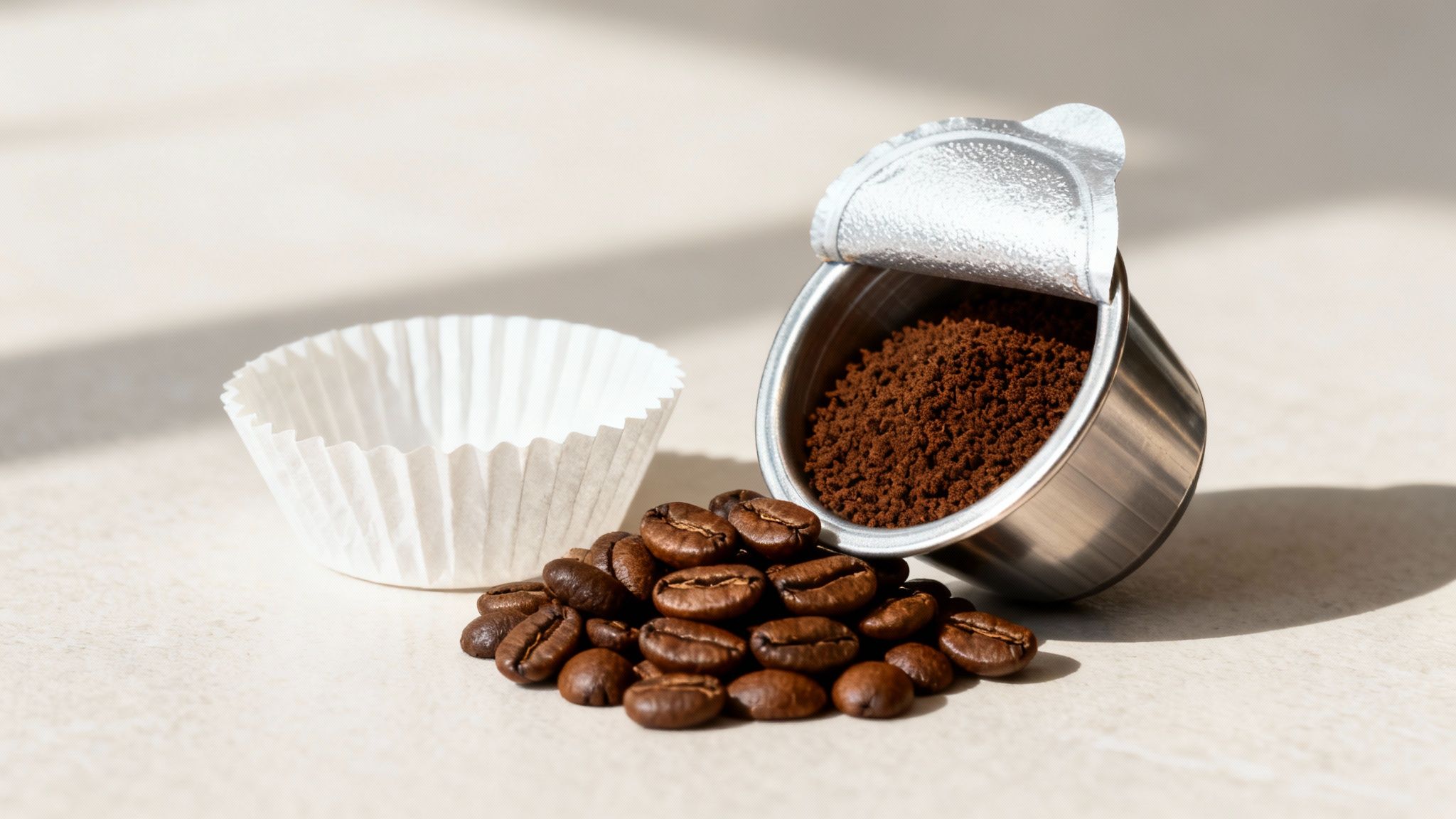
You’ve cleaned your machine and filtered your water, but your coffee still tastes merely “fine.” This lingering mediocrity is a clear sign that the problem isn’t your process—it’s the pods. The convenience of pre-packaged K-Cups comes at the cost of freshness. The coffee inside was ground weeks, or even months, ago.
Once coffee is ground, its delicate aromatic oils begin to oxidize, a process that rapidly degrades flavor and aroma. Sealing these stale grounds in plastic only slows the decay; it doesn’t stop it. This is the final barrier standing between you and a truly delicious brew. No matter how pristine your Keurig is, you cannot extract amazing flavor from dull, lifeless ingredients.
Take Back Control With Reusable Pods
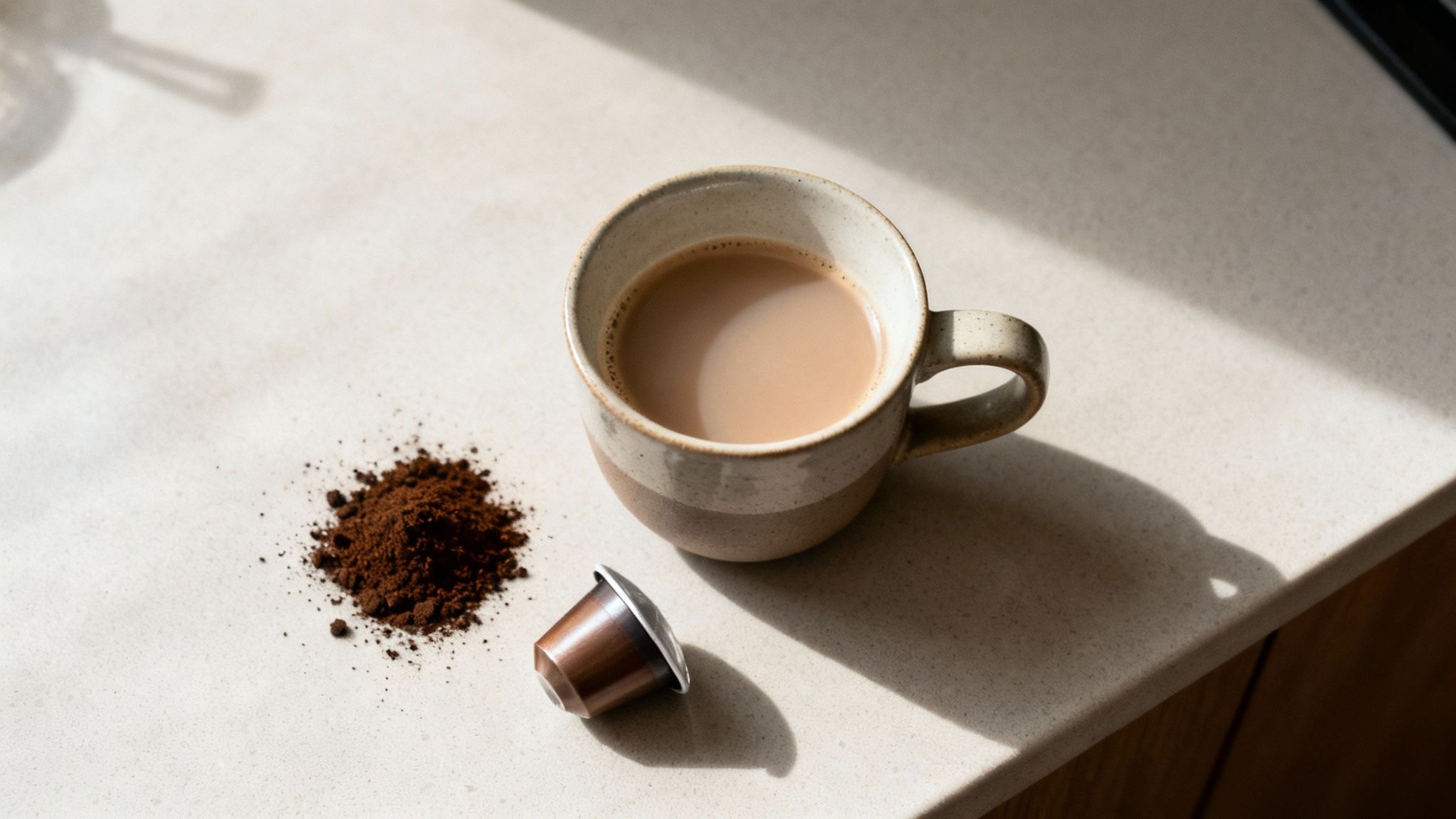
The solution is to break free from disposable pods and use your own freshly ground beans. A high-quality, reusable stainless steel pod gives you complete control over your coffee. You can buy whole beans from a local roaster, grind them moments before you brew, and pack the pod yourself. This single change unlocks the coffee’s full potential, delivering the rich aromas and complex notes that pre-packaged pods can’t match. For more tips, our guide on getting the best performance from your reusable K-Cups can help you master the technique.
A common objection to reusable pods is the perceived mess. However, this is easily solved by using a disposable paper filter insert. These liners keep the pod clean, prevent fine grounds from entering your machine, and make cleanup as simple as tossing the used filter in the compost.
Reusable Pods vs Disposable K-Cups: A Taste and Value Comparison
Choosing a reusable pod is a clear win for both your wallet and your taste buds. The initial investment pays for itself quickly, saving you money over time while drastically improving your daily brew.
| Feature | PureHQ Reusable Pods | Standard Disposable K-Cups |
|---|---|---|
| Flavor Potential | Excellent. Use any freshly ground coffee for maximum aroma and taste. | Fair to Poor. Coffee is often stale, and plastic can impart an off-taste. |
| Cost Per Cup | Approximately $0.10-$0.20. A one-time pod purchase with bulk coffee savings. | Approximately $0.70-$1.00. The cost adds up fast, especially for daily drinkers. |
| Customization | Unlimited. You control the bean origin, roast, and grind size for your perfect cup. | Limited. You’re stuck with the brands and blends available in pre-packaged pods. |
| Environmental Impact | Minimal. Durable and endlessly reusable, creating zero plastic waste. | High. Billions of non-recyclable plastic pods end up in landfills every year. |
The bottom line is that reusable pods are about brewing genuinely better coffee. PureHQ’s stainless steel pods are engineered for a perfect, leak-free fit, ensuring optimal water flow for a full-flavored extraction every time.
Putting It All Together for the Perfect Brew
You’ve filtered your water, descaled your machine, and switched to fresh beans. Yet, one day’s coffee is perfect, and the next is disappointingly weak or bitter. This frustrating inconsistency can make you feel like a great cup of coffee at home is just a matter of luck. All your hard work on the big-picture items can be undone by small, final-step variables.
You’re so close, but that final piece of the puzzle feels missing. The agitation of a “hit-or-miss” routine can undermine your entire effort. This is where you transform your coffee making from a guessing game into a reliable craft. By creating a simple, repeatable process that nails the final details, you can lock in that last 10% and achieve consistent excellence.
Dialing in Your Grind and Ratio
For reusable pods, a consistent medium grind size is your ideal starting point. If the grind is too fine, it compacts and chokes the water flow, resulting in an over-extracted, bitter brew. If it’s too coarse, water rushes through too quickly, creating a weak, watery, and under-extracted cup. Start with a medium grind and adjust slightly—a touch finer for more strength, a bit coarser to reduce bitterness.
Similarly, adjust the amount of coffee in your pod to control the strength. This simple tweak puts you in charge of the final taste.
Pro Tip: Your coffee’s greatest enemies are oxygen, light, heat, and moisture. According to the National Coffee Association, you should always store whole beans in an airtight, opaque container in a cool, dark place like a cupboard. This protects the fragile oils that give coffee its amazing aroma and flavor.
Finally, the vessel you drink from matters. If you’re taking coffee on the go, it’s worth learning about choosing the right takeaway coffee cups to preserve heat and flavor. For your daily brew at home, a well-made stainless steel reusable pod is non-negotiable for a leak-free fit that cheap plastic versions cannot match.
Ready to transform your coffee experience? Explore our full range of filters and cleaning solutions to get started.
Your Top Coffee Questions Answered
Even with a dialed-in process, lingering questions can create uncertainty. You’ve followed the steps for how to make coffee taste better, but worries about damaging your machine or choosing the right grind can undermine your confidence. This final hurdle stands between you and a coffee routine that feels effortless and consistently rewarding.
Let’s clear the air with straightforward answers to the most common questions. This clarity will empower you to master your morning cup once and for all.
How Often Should I Descale My Keurig or Ninja Coffee Maker?
Most manufacturers, including Keurig, recommend descaling every 3 to 6 months. However, this is a general guideline. The ideal frequency depends on your water hardness. If you live in an area with hard water, you will notice signs of scale buildup—such as slower brewing or lukewarm coffee—more quickly.
In hard water areas, descaling every 2-3 months is a better practice to maintain machine performance. Using a quality universal descaling solution is crucial, as it is formulated to dissolve mineral deposits without harming sensitive internal components.
Will Using a Reusable K-Cup Damage My Keurig Machine?
A well-designed reusable K-Cup will not damage your machine. High-quality stainless steel models are engineered for a perfect fit in Keurig and Ninja DualBrew systems. The primary customer objection we hear relates to leaks or poor fit, which are issues typically associated with cheap, flimsy plastic pods that fail to create a proper seal.
The only user error to avoid is overfilling the pod, which can create excess pressure. Premium pods are specifically designed with a secure seal to prevent leaks, directly addressing this common concern.
Pro Tip: If you use a fine grind, place a disposable paper filter inside your reusable pod. This prevents fine grounds from entering your machine’s plumbing and causing clogs.
Can I Really Use Any Ground Coffee in a Reusable Pod?
Yes, and this is the greatest benefit. You can explore a world of specialty beans from local roasters. The key is to stick to a medium grind size.
An espresso-fine grind can clog the filter mesh, leading to a slow, over-extracted, and bitter brew. A coarse grind allows water to pass through too quickly, resulting in a weak, under-extracted cup. A medium grind provides the ideal resistance for balanced extraction in a pod-style brewer.
Ready to put these tips into action with accessories that deliver a perfect, flavorful brew every time? The team at PureHQ Inc. offers everything you need, from precision-engineered reusable pods to premium water filters that unlock your coffee’s true taste.
Shop the complete PureHQ collection and elevate your daily coffee ritual.


Pingback: Coffee Makers with Cone Filters: Your Guide to Better Brews
Pingback: Decaf French Roast Coffee: Flavor, Brewing, and Buying Guide