
Coffee Machine Care
Does My Keurig Have a Water Filter? Here’s Why It’s Crucial
Feb
Updated: April 22, 2026
Let’s be real: there is nothing quite as frustrating as waking up, craving that perfect first sip of coffee, and being met with a bitter, flat, or weirdly metallic taste. You spent good money on those premium pods, so what gives? You’re not alone. The silent flavor-killer is actually hiding right in plain sight: your tap water. A staggering 85% of U.S. households brew with hard water, which is loaded with minerals like chlorine, calcium, and sediment that sabotage your coffee’s flavor before it even hits your cup.
The Hidden Damage Brewing in Your Coffee Maker
That seemingly harmless tap water isn’t just making your coffee taste “off.” It’s launching a slow, silent attack on your Keurig. Every time you brew, those minerals build up inside the machine’s delicate heating elements and internal tubing, forming a crusty layer of limescale. This forces your brewer to work harder, slows down brew times, and can lead to clogs and eventual breakdown. It’s a frustrating cycle: the water ruins your coffee’s taste while simultaneously destroying the machine you rely on for it. You’re left with a bitter brew and the looming threat of a costly replacement.
The solution is surprisingly simple: a high-quality water filter. Most Keurig models are designed to use a charcoal filter, but they don’t always come with one. By installing a premium filter, you create a powerful defense that traps those taste-killing impurities and machine-damaging minerals before they can cause problems. This single step transforms your coffee from mediocre to magnificent and protects your investment in the long run. To keep your machine in peak condition, remember to pair your filter with a regular descaling routine using a quality descaler.
How to Check If Your Keurig Has a Water Filter
Ready to solve the mystery of your machine’s filtration status? It’s easier than you think. While some Keurigs come with a filter holder installed, many don’t. Research shows a surprising 65% of K-Classic and K-Supreme owners report their machine had no original filter, leaving them vulnerable to limescale buildup that can shorten a machine’s life by up to 30%.
Which Keurig Machines Have a Water Filter Option? (The Complete List)
To take the guesswork out of it, here is the breakdown of which Keurig models are built to use a filter system:
Keurig Models WITH a Water Filter Option (Filter-Compatible) If your brewer is on this list, it has a special spot in the water reservoir for a filter holder. (Note: Even if it didn’t come with the plastic holder in the box, you can easily grab a starter kit to get it set up).
- K-Classic Series: K-Classic, K50, K55
- K-Supreme Series: K-Supreme, K-Supreme Plus, K-Supreme Plus Smart (Requires the Tall Handle filter)
- K-Iced
- Keurig K-Brew + Chill Iced or Hot
- K-Cafe Series: K-Cafe, K-Cafe Smart, K-Cafe Special Edition
- K-Duo Series: K-Duo, K-Duo Hot & Iced Gen 2, K-Duo Plus, K-Duo Essentials
- Premium Brewers: K-Elite, K-Select
- K-Slim & K-Compact
- K-Express, K-Express Essentials
- K-Latte
- Keurig 2.0 Series: K200, K250, K300, K350, K400, K450, K500, K575
Keurig Models WITHOUT a Water Filter If you have a smaller, space-saving model, it likely doesn’t have the internal room for a traditional filter setup:
- K-Mini Series: K-Mini, K-Mini Plus
- K15 / Original Mini
- K-Mini Mate
🛠️ Missing the Water Filter Holder?
If you looked inside your water reservoir and it’s empty, don’t panic! You just need a Starter Kit. Choose the one below that matches your Keurig’s water tank placement to get started:
The flowchart below shows exactly how unfiltered water can go from causing a simple bad taste to creating significant, sometimes irreversible, machine damage.
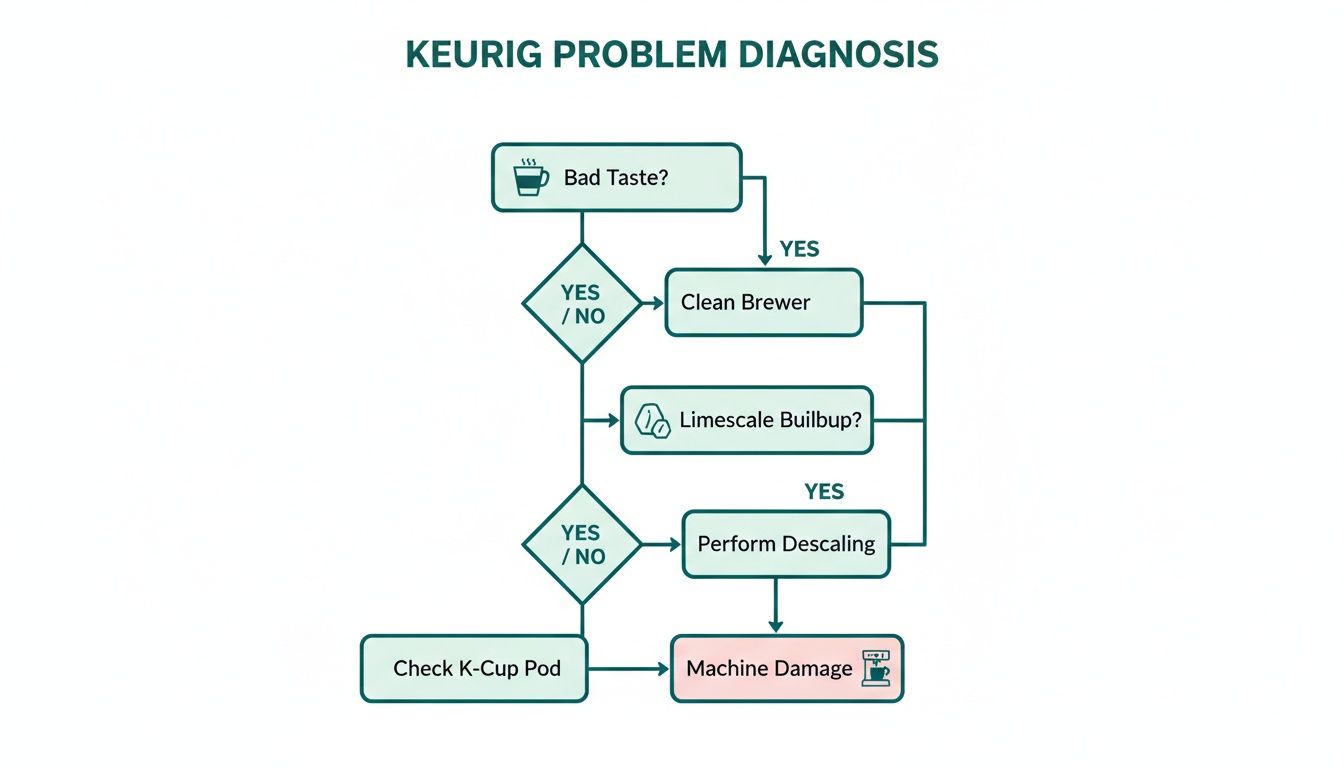
What starts as a minor taste issue can quickly snowball if left unaddressed.
The Definitive Visual Check
The only way to know for sure is to look inside your water reservoir. Lift the lid, remove the tank, and look inside.
- Filter Holder Present: You’ll see a tall, cylindrical housing unit, usually black or clear plastic. This is the water filter holder, and it means your Keurig is filter-compatible.
- No Filter Holder: If the reservoir is just an empty plastic tank, your machine might have the option but its missing it.
Pro Tip: A common customer objection is a poor fit. The holder should click securely into the base of the reservoir. If it feels loose or wobbly, it might not be seated correctly, preventing the filter from working effectively.
Once you know your setup, the next step is ensuring it’s optimized for the best performance. You can learn exactly how to install or change your filter by reading our guide on how to replace the Keurig water filter.
Which Water Tank Size do you have?
Matching your tank size ensures a perfect fit for your water filter holder:
Large / Side Tank
Requires the Tall Handle. Standard for K-Classic, K-Elite, K-Select, and 2.0 models.
Slim / Rear Tank
Requires the Short Handle. Fits K-Duo, K-Duo Essential, K-Compact Brewers.
📦 Free Shipping on all orders.
Why a Standard Keurig Filter Isn’t Always Enough
Finding a filter holder in your Keurig is a great start, but the battle for better coffee isn’t over. The standard, manufacturer-provided filters are often a compromise, using coarse charcoal that allows taste-altering impurities like chlorine and sediment to pass right through into your cup. This results in that subtle bitterness or “off” flavor that masks the true notes of your coffee pods.
This is where upgrading to a premium filter makes a dramatic difference. PureHQ filters are engineered with micro-fine granular activated charcoal, providing a significantly larger surface area to trap a much higher percentage of contaminants. The result isn’t just better-tasting coffee—it’s coffee that tastes exactly as the roaster intended.
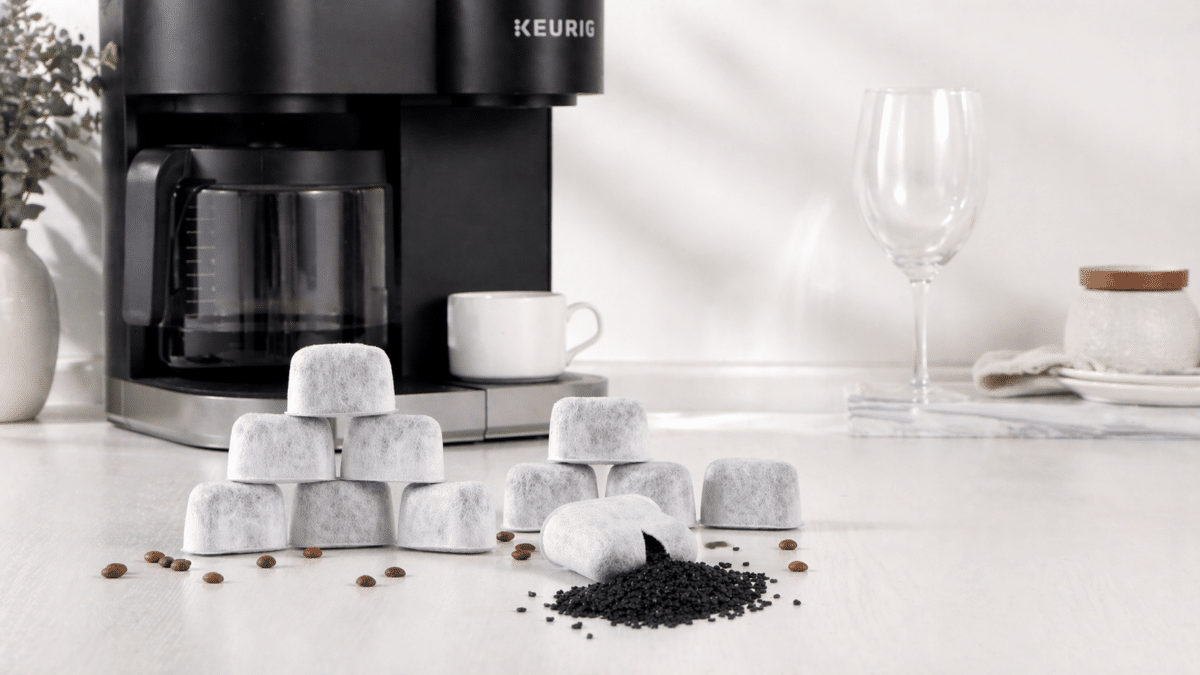
PureHQ Premium Filters vs. Standard Alternatives
Let’s break down the real-world impact of upgrading from a basic, stock filter to one designed for superior performance.
| Feature | PureHQ Premium Filter | Standard Filters |
|---|---|---|
| Filtration Media | Micro-fine activated charcoal (Max absorption) | Coarse charcoal (Lower surface area) |
| Scale Protection | Reduces buildup by 90% | Minimal mineral protection |
| Flavor Profile | Smooth, crisp, & cafe-quality | Potential chemical aftertaste |
| Value Verdict | Best Value: 2-Year Supply | Expensive frequent 2-packs |
| GET THE 12-PACK WATER FILTERS FOR KEURIG ADVANTAGE → | ||
Upgrading is about protecting your investment. By removing more minerals, PureHQ filters help prevent the limescale that can clog and damage your Keurig, potentially doubling its lifespan.
A common hesitation is the fear that a third-party filter won’t fit correctly and might leak. PureHQ filters are precision-engineered to create a snug, leak-proof seal in compatible Keurig models, ensuring every drop of water is purified. For more tips on getting it right, you can learn about the 7 mistakes you’re making with Keurig water filters.
Don’t let subpar filtration compromise your coffee. Unlock the full flavor of your favorite pods by upgrading your defense against bad water.
Installing Your New Filter for a Perfect Brew
Installing a new PureHQ water filter is a two-minute job that pays off with every cup. The process is simple, but getting it right ensures you eliminate the bad taste and limescale you’re trying to avoid.
First, submerge the new charcoal cartridge in cold water for 5-10 minutes. This activates the charcoal and rinses away any loose particles. While it soaks, give the filter holder a quick rinse.
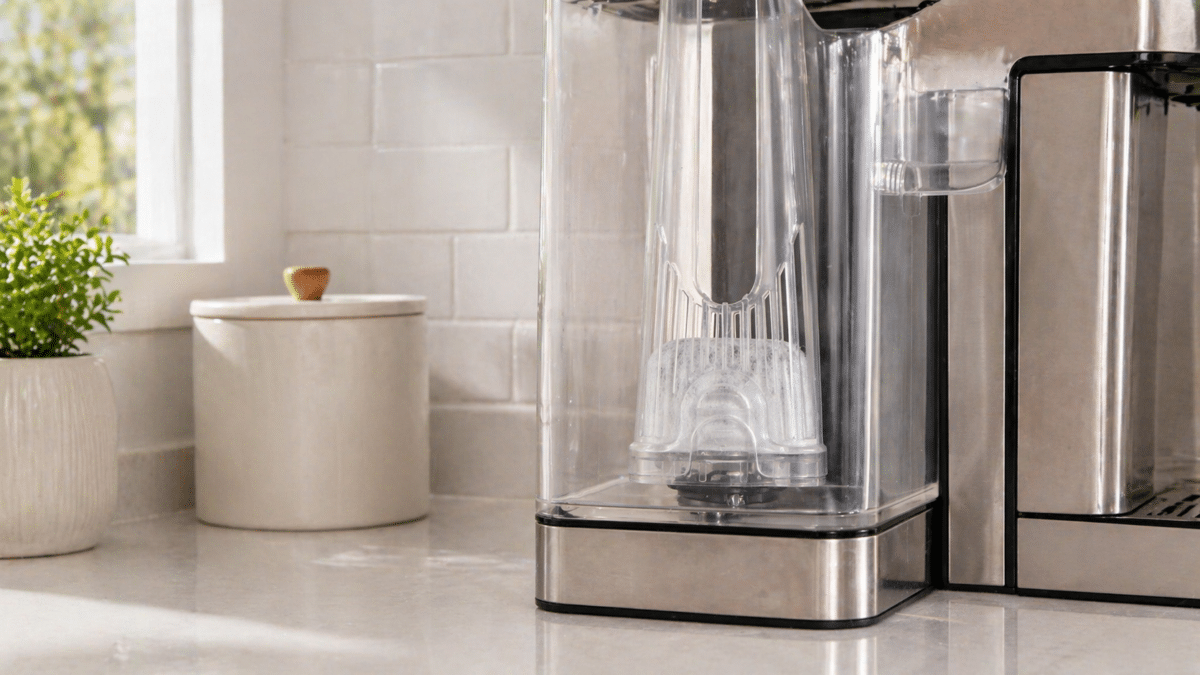
A Perfect Fit Prevents Leaks
A common worry is whether a new filter will fit properly. A loose fit allows unfiltered water to bypass the charcoal, defeating the purpose entirely.
- Standard Filters: Can have inconsistencies that lead to a loose fit, allowing impure water into your brew.
- PureHQ Filters: Are precision-molded for a snug, leak-proof seal inside the filter holder, forcing every drop of water through the activated charcoal for maximum purity.
A secure fit isn’t just a nice-to-have; it’s non-negotiable for effective filtration. When you feel that filter click firmly into place, you can trust it’s creating the tight seal needed to purify the water for your coffee.
This tight seal guarantees you get the full benefit of the filter, leading directly to a cleaner, better-tasting cup. For total machine health, combine your filter changes with a regular descaling solution to keep your Keurig running like new.
Unlock Better Coffee and Protect Your Keurig Today
You bought your Keurig for convenience and great taste, not for the daily frustration of bitter coffee and worrying about limescale damage. The constant battle against impure water can ruin the simple pleasure of your morning routine. But you don’t have to settle for inconsistent, mediocre coffee.
The solution is clear: upgrading to a premium PureHQ water filter is the single most effective way to unlock your machine’s true potential. It’s a small change that delivers consistently amazing taste, protects your brewer for the long haul, and elevates your entire coffee experience. To see how filtration fits into the bigger picture, check out this Ultimate Guide to Coffee Machine Filters. And remember to enhance your filter’s effectiveness by using a quality descaling solution every few months.
Stop letting bad water dictate the quality of your coffee. Take control of your brew and enjoy the rich, full flavor you deserve, every single time.
Ready to taste the difference? Shop PureHQ water filters today and transform your daily brew.
Your Top Questions About Keurig Filters
Still have questions? Let’s clear up a few common concerns about Keurig filtration.
How Often Should I Change My Keurig Water Filter?
For the best-tasting coffee and a healthy machine, you should swap out your water filter every 2 months or after 60 reservoir refills—whichever comes first.
If you live in an area with particularly hard water (look for white buildup on faucets), consider changing it every 6 weeks. This simple preventative step keeps your coffee tasting crisp and protects your brewer’s internal components from damaging limescale.
Are PureHQ Filters Compatible With All Keurig Models?
This is a smart question. Our filters are designed to fit a wide range of Keurig machines, but not every single one. Compatibility is key to creating the leak-proof seal necessary for effective filtration.
Our filters are designed to fit beautifully into the vast majority of Keurigs that use a reservoir. (Check out the complete model list earlier in this post to find your exact machine!). Here is a quick summary:
| Filter Type | Compatible Keurig Models | Incompatible Models |
|---|---|---|
| PureHQ Filters | Most brewers that use a filter holder, including popular models like the K-Classic, K-Duo, K-Supreme, and many of the 2.0 series. | Models built without a filter holder, like the compact K-Mini and K-Slim series. |
Always check the product description to confirm a perfect match for your machine. Using the right filter ensures a tight seal, forcing all water through the charcoal for maximum purification. That’s the real secret to a perfect cup. For a deeper dive into common pitfalls, explore our guide on 7 mistakes you’re making with Keurig water filters.
🏆 The “Gold Standard” for Keurigs
Stop fighting with bitter coffee and limescale buildup. Our Premium PureHQ Water Filters are engineered with micro-fine charcoal to give you the perfect, cleanest brew every morning.
- ✅ Maximum Filtration: Micro-fine granular activated charcoal
- ✅ Perfect Fit: Precision-molded for a leak-proof seal
- ✅ 2-Year Supply: 12 individually wrapped filters
Don’t let bad water ruin another cup. It’s an easy fix that protects your machine and unlocks the real flavor hiding in your favorite coffee pods. For even more information, check out our complete guide to coffee maker water filter replacement.

